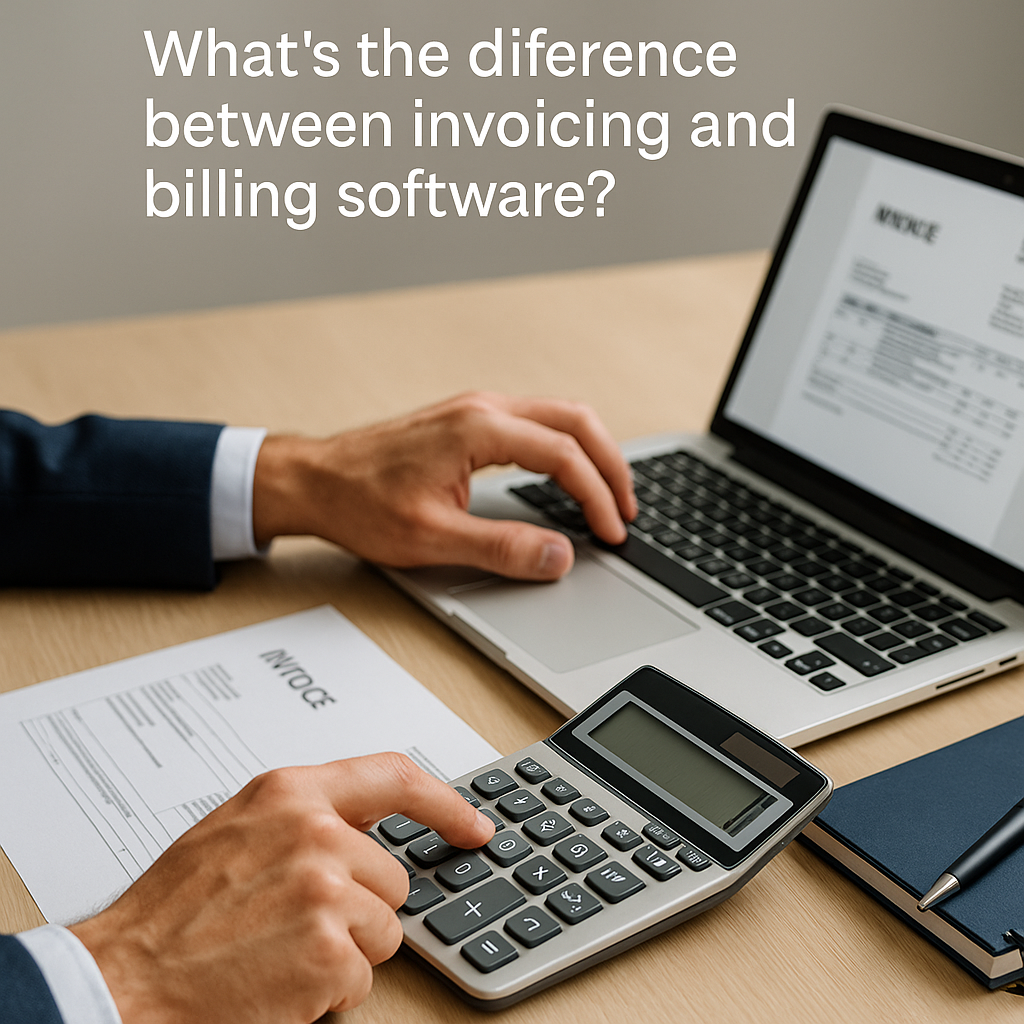
If you run a plumbing or heating business in the UK, admin can eat into your margins just as quickly as poor supplier pricing. One common point of confusion is the difference between invoicing and billing software. They sound similar, but they are not always built for the same job.
Understanding that difference matters if you want tighter control over cashflow, fewer manual tasks and better visibility across your purchasing and customer paperwork. For trade businesses that already work hard to control material costs, choosing the right software can save both time and money.
Invoicing software and billing software are not the same
At a basic level, invoicing software is usually focused on creating and sending invoices to customers. Billing software is often broader. It can include recurring charges, payment collection, account tracking and sometimes wider financial workflows.
In simple terms:
- Invoicing software helps you produce, send and monitor customer invoices.
- Billing software helps manage the wider process of charging customers and collecting payment.
For a small plumbing firm or heating contractor, the difference often comes down to complexity. If you send straightforward invoices after a completed job, invoicing software may be enough. If you manage service agreements, repeat monthly charges or multiple payment schedules, billing software may be the better fit.
What invoicing software usually does
Invoicing tools are designed to help businesses raise professional invoices quickly and accurately. They are especially useful for tradespeople who need a clear record of labour, materials and VAT.
Typical invoicing features include:
- Creating branded invoices
- Adding customer details and job references
- Listing labour, parts and materials
- Applying VAT correctly
- Setting payment terms
- Sending invoices by email
- Tracking paid and unpaid invoices
- Recording basic payment status
Best for one-off or project-based work
Many UK plumbing and heating businesses invoice once a job is complete. In those cases, invoicing software is often enough because the process is simple. You complete the work, total up the materials and labour, then send the customer an invoice.
This can work well for installers, small contractor teams and trade businesses that do not need ongoing payment plans.
What billing software usually does
Billing software often includes invoicing, but goes further. It is built to manage ongoing charges and more structured customer payment arrangements.
Typical billing software features may include:
- Recurring invoices or scheduled charges
- Automatic payment reminders
- Subscription or maintenance plan billing
- Customer account balances
- Payment collection tools
- Credit notes and adjustments
- Reporting on revenue and payment behaviour
Useful for ongoing service contracts
If your business offers annual servicing, maintenance agreements or staged payment arrangements, billing software can be more useful than a basic invoicing tool. It helps reduce manual admin and lowers the risk of missed charges.
This is particularly relevant in summer, when many UK trade firms are balancing installation work, outdoor projects and holiday cover. Software that automates repeat billing can help keep cash coming in while your team focuses on booked work.
Which one does your business actually need?
The right answer depends on how your trade business operates.
Choose invoicing software if you:
- Mainly bill after one-off jobs
- Want a quicker way to send professional invoices
- Need basic tracking for what has been paid
- Have a simple customer payment process
Choose billing software if you:
- Run service plans or repeat contracts
- Need recurring charges each month or quarter
- Want more automation around payment collection
- Manage customer accounts over a longer period
Some businesses need both. In practice, many modern platforms blur the line between the two. What matters is whether the system supports how you charge customers and how much admin it removes from your team.
Why this matters beyond customer paperwork
Many trade firms focus on front-end admin, but back-end cost control matters just as much. Sending invoices efficiently is important, but protecting your margins on supplier purchases is where many businesses lose money without realising it.
That is where Assured Bills comes in. While invoicing and billing software help you charge customers properly, Assured Bills helps you avoid overpaying on heating and plumbing materials in the first place. For contractors and purchasing teams, that means better price transparency, smarter procurement and stronger control over supplier costs.
If you are tightening systems this June, it makes sense to look at both sides of the equation:
- How you invoice and collect money
- How you check what you are being charged by suppliers
- How you protect margin across every job
This is especially valuable when material prices can shift, workloads increase and staff cover becomes more stretched over summer.
A smarter setup for growing trade businesses
The strongest admin setup is not always the most complicated. It is the one that gives you control, reduces waste and supports better decisions.
For many plumbing and heating firms, that means using the right software for customer charging, while also improving procurement checks behind the scenes. If you can send accurate invoices and stop unnecessary spend on materials, you put your business in a stronger position to grow.
To see how a smarter cost-checking platform can support your purchasing process, visit Assured Bills. If you are ready to get started, you can create an account with Assured Bills or log in to the platform here.
The right invoicing or billing software helps you get paid. Assured Bills helps make sure you keep more of what you earn.