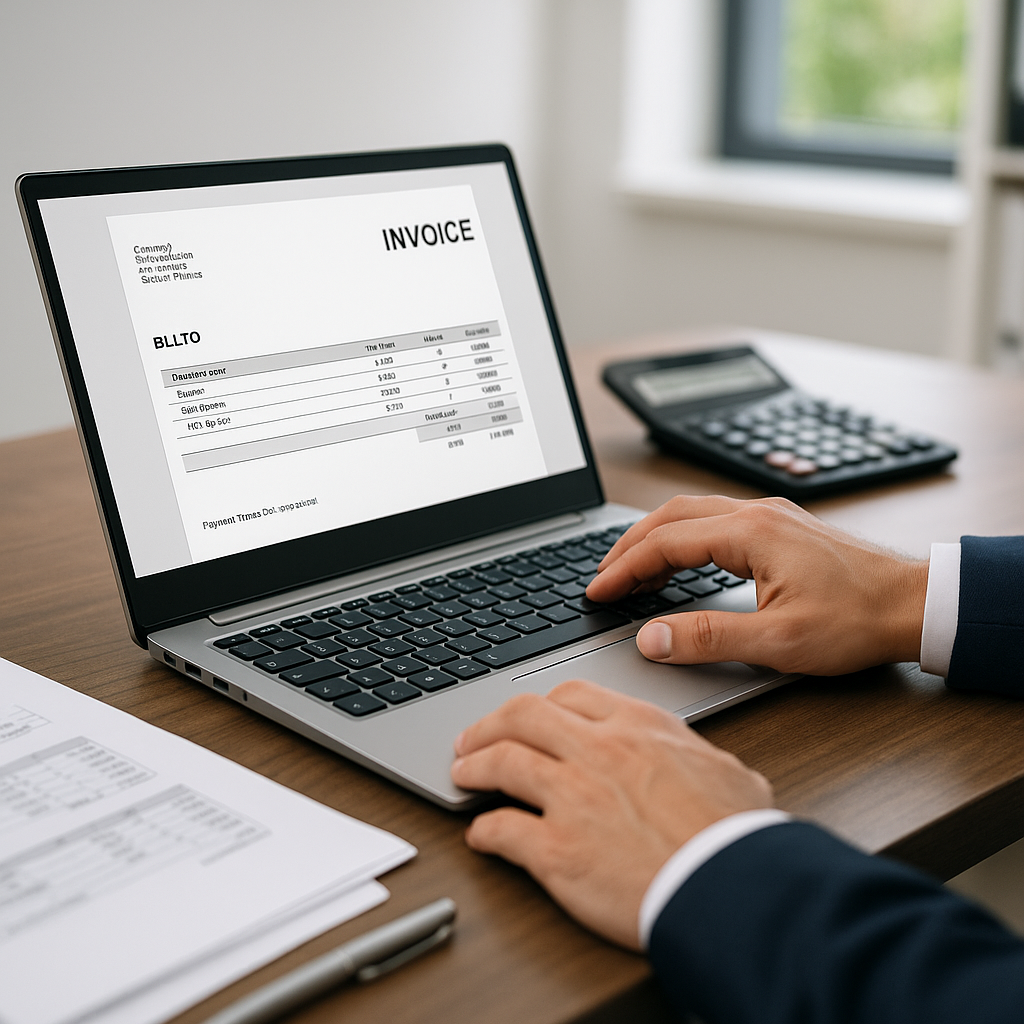
For UK plumbing and heating businesses, a clear invoice is not just about getting paid. It is part of how you present your business, reduce admin mistakes and keep records tidy when jobs are moving quickly in a busy summer period. If you are asking whether you can customise invoice templates in invoicing software, the short answer is yes, in most systems you can.
The more important question is this, how much control do you actually need?
For contractors, installers and trade business owners, the right template should save time, support accurate billing and make it easier to keep customer, supplier and job information consistent. That matters even more in June, when holiday cover, outdoor projects and fast-moving schedules can put pressure on the office side of the business.
Why invoice template customisation matters
A standard invoice template might be enough for a very small business with simple jobs. But many plumbing and heating firms need more than a basic layout. You may need to show labour separately from materials, include site addresses, list payment terms clearly or break work down by project phase.
Customising invoice templates in your software helps with:
- keeping your branding consistent
- making invoices easier for customers to understand
- reducing avoidable disputes and payment delays
- showing materials, quantities and call-out charges clearly
- supporting better record-keeping for VAT and accounts
- saving admin time across repeat jobs
For growing trade businesses, a better template also improves internal control. When everyone uses the same structure, it becomes easier to check margins, track what was billed and compare jobs properly.
What you can usually customise
Most invoicing platforms let you adjust the appearance and the information shown on your invoice. The exact options vary, but common features include:
Branding and business details
You can often add your company logo, business name, contact details and VAT number. Some systems also let you change colours and fonts so the invoice matches your business identity.
Layout and line items
A good template should allow you to organise job details in a way that suits your work. For example, you may want separate sections for:
- labour
- heating and plumbing materials
- plant or equipment hire
- delivery charges
- notes on completed works
This is especially useful when customers want transparency, and when your own team needs a clean record of what has been supplied and charged.
Payment terms and notes
Custom fields for payment due dates, bank details, late payment notes and customer references can be very useful. If you deal with commercial clients, landlords or property managers, these details often need to be clear and consistent on every invoice.
What customisation should do for your business
Not every extra feature adds value. The goal is not to create a complicated invoice. It is to make billing faster, clearer and easier to manage.
The best invoice template should help you:
- invoice quickly from site or office
- avoid missing key customer or job information
- present costs clearly and professionally
- support smoother payment collection
- keep records ready for bookkeeping and reporting
If your current setup makes staff retype the same information repeatedly, or if invoices often need correcting, your template is not doing enough.
Where many businesses go wrong
Some firms over-customise and end up with messy layouts. Others use templates that are too basic, which creates confusion later. A strong setup usually sits in the middle.
Keep it professional, not cluttered
Your invoice should be easy to scan. Too many notes, codes or internal references can make it harder for the customer to approve and pay. Prioritise the details they actually need.
Make sure pricing is clear
This is particularly important for trade businesses buying and supplying materials regularly. If your invoice format does not clearly distinguish between labour and parts, you can lose visibility over margins. That is one reason many firms are also improving their wider buying process, not just their billing process.
For example, if you are trying to reduce overpayment on materials, better invoice presentation should sit alongside better purchasing control. That is where tools focused on smart procurement and price transparency can add real value.
Invoice customisation is only part of the picture
Even if you can customise invoice templates in invoicing software, that does not automatically solve cost control problems. Many plumbing and heating businesses are still losing margin before the invoice is ever raised, simply because material prices vary between merchants and supplier terms are not always easy to compare.
In practice, strong admin and strong purchasing need to work together. A tidy invoice helps you bill correctly. A smart procurement process helps you buy correctly in the first place.
If your business is reviewing systems this summer, it is worth looking at both sides:
- how you create and send invoices
- how you compare supplier prices
- how you manage orders across jobs
- how you maintain visibility over material spend
For trade firms across the UK, this joined-up approach gives you more control, better margin protection and less wasted time.
What to look for before choosing software
If you are comparing systems, focus on practical needs rather than a long feature list. Ask whether the software lets you:
- customise fields for your type of work
- reuse templates across repeat customers or job types
- show VAT and payment terms clearly
- add material descriptions in enough detail
- keep records consistent for your accounts process
- work efficiently during busy periods and staff cover
You should also think about whether the platform fits the way your business actually operates. If materials buying is a major cost area, separate tools for invoice creation and procurement may still make sense, provided they improve control overall.
For businesses that want tighter oversight on what they are paying for heating and plumbing supplies, Assured Bills offers a practical route to better price visibility. You can also sign up for Assured Bills if you want to start improving how you review supplier costs, or use the Assured Bills login page if you are already managing your account.
Final word
So, can you customise invoice templates in invoicing software? In most cases, yes. The real value comes from using that flexibility to make your billing clearer, faster and easier to manage.
For plumbing and heating businesses, the biggest gains often come when professional invoicing is backed by smarter cost control on materials as well. If you want stronger purchasing visibility and fewer wasted pounds across supplier invoices, Assured Bills can help you take control.