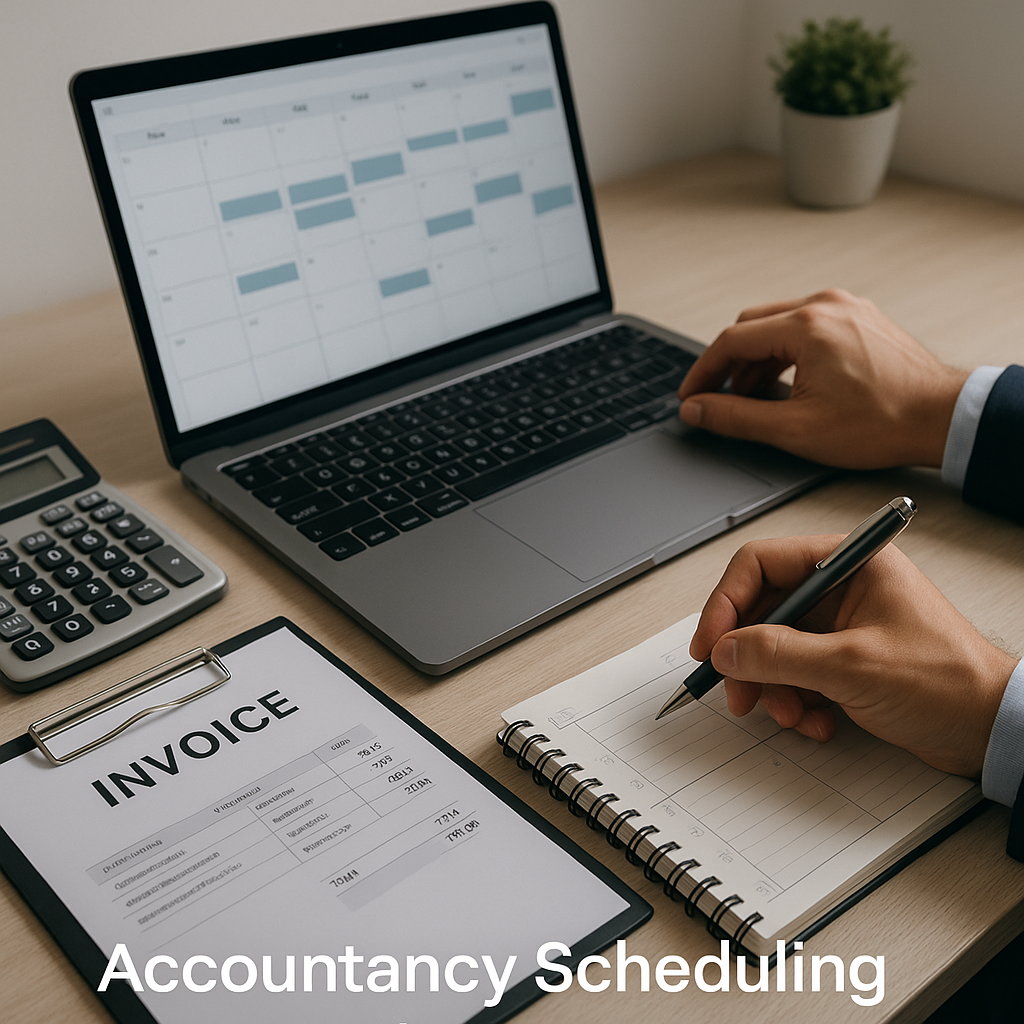
For plumbing and heating firms across the UK, July is often a balancing act. You may be managing summer servicing, outdoor works, staff holidays and changing supplier demand, all while trying to keep jobs moving and margins protected. When your schedule sits in one system and your billing process sits in another, small gaps can turn into lost time, missed charges and weaker cost control.
That is why scheduling and invoicing integration matters. When bookings, job records and billing details connect properly, trade businesses can reduce admin, improve accuracy and keep better control of cash coming in and costs going out.
For firms that also want tighter oversight on material spend, platforms such as Assured Bills add another layer of protection by helping you avoid overpaying for heating and plumbing supplies.
What scheduling and invoicing integration actually means
In simple terms, scheduling and invoicing integration means your diary, job allocation and billing records work together instead of being updated separately.
If an engineer is booked for a boiler service, cylinder replacement or planned maintenance visit, the job details should flow through clearly. Labour time, parts used, agreed rates and any additional works can then be captured without rekeying everything at the end of the day.
For plumbing and heating contractors, this creates a more joined-up process:
- A job is booked into the schedule.
- The right engineer or installer is assigned.
- Work completed on site is recorded.
- Chargeable labour and materials are logged.
- An invoice is prepared with fewer manual steps.
That sounds simple, but the impact is significant when your team is juggling multiple jobs, supplier orders and customer deadlines.
Where trade firms lose money without integration
When scheduling and billing are handled separately, problems often appear in familiar places.
Missed extras and incomplete job records
If an operative adds a small repair, extra fittings or additional time on site, that detail can be forgotten before the invoice is raised. Across dozens of jobs, those missed charges can quietly eat into profit.
Delays between job completion and invoicing
In summer, when teams are covering annual leave and workloads shift week by week, admin bottlenecks can become worse. If invoices are sent days later because someone must piece together notes from messages, worksheets and calendars, cash flow slows down.
Poor visibility on materials costs
Even if the customer invoice goes out correctly, your margin can still be under pressure if supplier pricing is inconsistent. This is especially important for heating and plumbing materials, where unit prices can vary more than many firms expect.
Using smart tools for heating and plumbing material price control helps trade businesses compare costs and reduce overpayment, alongside improving internal billing processes.
The practical benefits for plumbing and heating businesses
The best systems do more than save a few minutes. They support stronger day-to-day control.
Faster admin and fewer manual errors
When bookings and invoices are connected, your office team spends less time copying job details from one place to another. That reduces common mistakes such as incorrect dates, missing quantities or outdated customer information.
For growing firms, this is often one of the quickest wins. Less rework means more capacity for managing customers, suppliers and live jobs.
Better cash flow discipline
A quicker route from completed work to issued invoice usually means a quicker route to payment. That does not solve every payment issue, but it gives you a more reliable process.
This matters in July and August, when holiday cover can slow office routines and push admin tasks down the list.
Clearer reporting on labour and materials
Integrated processes make it easier to see what a job should have earned versus what it actually cost. This is where good scheduling and invoicing should connect with better purchasing control.
If your invoices include the right labour and material lines, and your buying process gives you price transparency on supplies, you are in a much stronger position to protect margin.
You can also sign up for Assured Bills if you want a simpler way to avoid overpaying on trade materials.
What to look for in an integrated setup
Not every business needs a large, complex software stack. Most trade firms benefit from a process that is practical, clear and easy for engineers and office staff to follow.
Look for these essentials:
- Job details that can be updated in real time
- Clear recording of labour, parts and variations
- Customer records that carry through from booking to billing
- Simple reporting on completed work and outstanding invoices
- Better visibility of supplier and material costs
- A process that works well for mobile teams and office staff alike
The goal is not more software for the sake of it. The goal is tighter control with less wasted effort.
Integration works best when procurement is controlled too
Many firms focus only on the customer-facing invoice. That is important, but it is only half the picture. Profit depends on what you charge and what you pay.
If your scheduling and invoicing process is efficient, but your team still buys heating and plumbing materials at inconsistent prices, margin can leak away in the background.
That is why trade purchasing tools matter. Better cost comparison for heating and plumbing materials helps you make smarter buying decisions, manage suppliers more effectively and improve consistency across jobs.
For businesses that want stronger cost control, Assured Bills for trade material savings supports better visibility and helps reduce unnecessary spend.
A simple way to tighten your process this summer
If you want to improve scheduling and invoicing integration, start with a short review of your current workflow.
Ask yourself:
- How many times is job information entered manually?
- How often are extras missed before invoicing?
- How long does it take to invoice after a job is completed?
- Can you clearly see labour, material and supplier costs by job?
- Are material prices being checked consistently before or after purchase?
If those answers reveal gaps, there is a real opportunity to save time and protect margin.
This summer is a good time to tighten systems before the busier heating season returns. If you want better control over supplier pricing and stronger visibility on heating and plumbing spend, Assured Bills can help you reduce overpayment and buy with more confidence.