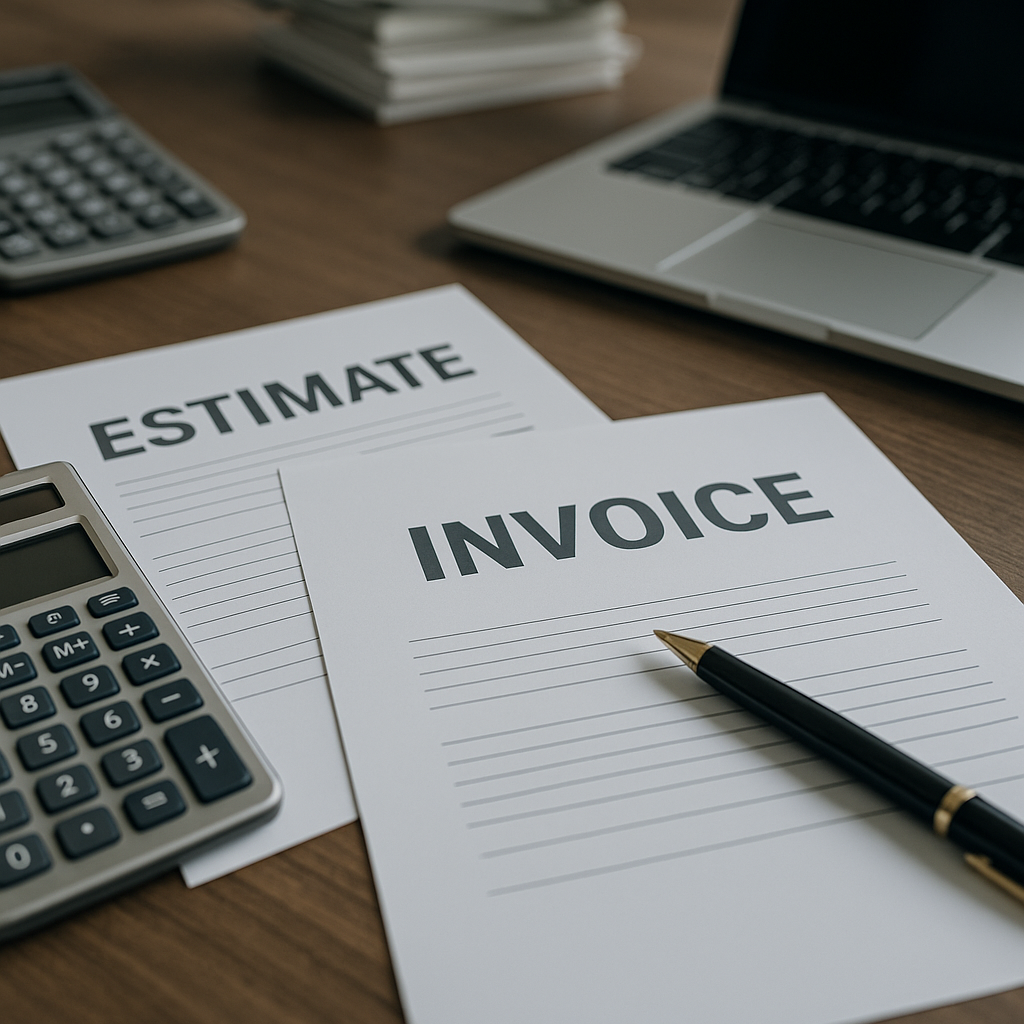
For plumbing and heating firms across the UK, confusing an estimate with an invoice can create unnecessary disputes, delayed payments and pressure on margins. They serve very different purposes. If you want tighter cost control, clearer communication with customers and better oversight of materials, it pays to get both right.
In simple terms, an estimate is a forecast of expected costs before work starts. An invoice is a formal request for payment after work has been completed, or at an agreed billing stage. Understanding that difference helps trade businesses protect profit and reduce admin.
For firms handling busy summer schedules in July, with holiday cover, outdoor works and shifting supplier prices, having a clear process matters even more. Material costs can move quickly, and without strong documentation it is easier for overpayment and confusion to creep in.
What is an estimate?
An estimate sets out the likely cost of a job before work begins. It helps the customer understand expected labour, materials and any other charges. For trade businesses, it also creates a useful record of what was allowed for at the pricing stage.
A good estimate will usually include:
- Your business details
- The customer’s details
- A description of the proposed work
- Estimated labour costs
- Estimated material costs
- Any assumptions or exclusions
- VAT information where applicable
- A validity period
An estimate is not normally a demand for payment. It is a pricing document that supports approval and planning.
Why estimates matter for margin control
For plumbing and heating contractors, estimates do more than win work. They provide a baseline for measuring whether a job stays commercially healthy. If quoted materials were expected at one cost, but supplier invoices arrive higher, your profit can disappear quickly.
This is where stronger checking processes can help. Assured Bills supports firms that want better visibility on whether material charges match expectations and whether they are paying more than they should.
What is an invoice?
An invoice is issued when payment is due. It is an accounting document that records what the customer is being charged for, based on completed work, delivered materials or a staged agreement.
A professional invoice should usually include:
- Invoice number
- Invoice date
- Your business and customer details
- Description of work completed
- Final amounts due
- VAT breakdown
- Payment terms
- Accepted payment methods
Unlike an estimate, an invoice has legal and financial weight in your day-to-day operations. It feeds into bookkeeping, cash flow management and tax records.
Estimating vs invoicing, the key differences
Although they may contain similar information, their purpose is very different.
1. Timing
An estimate comes before the work starts. An invoice comes after work is completed, or at a defined stage.
2. Purpose
An estimate helps a customer decide whether to proceed. An invoice asks for payment.
3. Flexibility
An estimate can change if the scope, labour or materials change. An invoice should reflect the actual agreed charges.
4. Financial impact
An estimate is a planning tool. An invoice affects your accounts, payment tracking and reporting.
5. Risk to profit
If your estimate is weak, you may underprice the job. If your invoice checking is weak, you may miss overcharges from suppliers or billing errors that reduce margin.
Why trade firms often run into problems
Many issues start when documentation is unclear. A customer may treat an estimate as a fixed quote. A contractor may invoice for extras that were never properly recorded. Or a purchasing team may accept supplier charges without checking them against the original expected costs.
In July, this can get worse. Teams are stretched, cover arrangements are in place and jobs move fast. That is when rushed approvals and unchecked material bills can eat into profit.
Common trouble spots include:
- Estimates with vague material allowances
- No written confirmation for variations
- Supplier price increases between estimate and order
- Invoices that do not clearly match completed work
- Poor visibility over what was expected versus what was actually charged
How to tighten your process
Trade businesses do not need more paperwork for the sake of it. They need a practical system that gives more control.
Keep estimates clear and realistic
Break out labour and materials wherever possible. If prices are likely to change, say so clearly. For heating and plumbing supplies, this is especially important where supplier pricing can vary.
Record changes as they happen
If the scope changes, update the customer promptly. Small variations can have a big effect on job profitability.
Check supplier bills against expectations
This is one of the most overlooked areas of cost control. Even if your customer invoice is correct, your margin still suffers if you overpay for materials. Using a trade purchasing platform with price transparency can make it easier to spot issues.
If you want a clearer view of where costs are slipping, see how Assured Bills helps firms avoid overpaying for heating and plumbing materials.
Standardise your documents
Using a consistent workflow for estimates, approvals, orders and invoices makes disputes less likely and keeps teams aligned.
Why this matters beyond admin
The difference between estimating and invoicing is not just a technical point. It affects customer trust, speed of payment and commercial control. For UK plumbing and heating firms, better processes also support smarter procurement, faster cost comparison and stronger margins.
When your estimated material costs are visible, and supplier charges are checked properly, you are in a stronger position to protect profit. That matters in any season, but during a busy summer period it can be the difference between a profitable month and one full of avoidable leakage.
If you are reviewing your current process, start with the basics. Make estimates clear. Make invoices accurate. Then make sure your supply costs are being challenged, not just accepted.
To take control of supplier pricing and reduce wasteful spend, explore the Assured Bills platform or create an account here.