July is a busy month for UK plumbing and heating firms. Vans are moving, outdoor projects are active, and holiday cover can leave purchasing and admin under pressure. In that environment, supplier credit notes are easy to miss, delay or apply incorrectly. When that happens, your business can lose margin without realising it.
For trade businesses buying heating and plumbing materials regularly, credit note control is not just an admin task. It is a practical way to improve cash position, tighten cost control and stop avoidable overpayment. This is exactly where better invoice checking and smart procurement processes make a difference.
Why credit notes matter more in summer
Summer often brings a mix of returns, part deliveries, pricing adjustments and swapped materials. A cancelled order, a damaged item or a short shipment can all result in a supplier issuing a credit note. If your team is stretched because key staff are on annual leave, those documents can sit in an inbox and never be matched properly.
That creates three problems:
- You pay more than you should for heating and plumbing supplies.
- Your accounts do not reflect the true cost of a job.
- Supplier balances become harder to trust.
For contractors and purchasing managers, this is a margin issue. If a credit is missed on a high-volume material line, the impact adds up fast across multiple jobs.
What a good credit note check should include
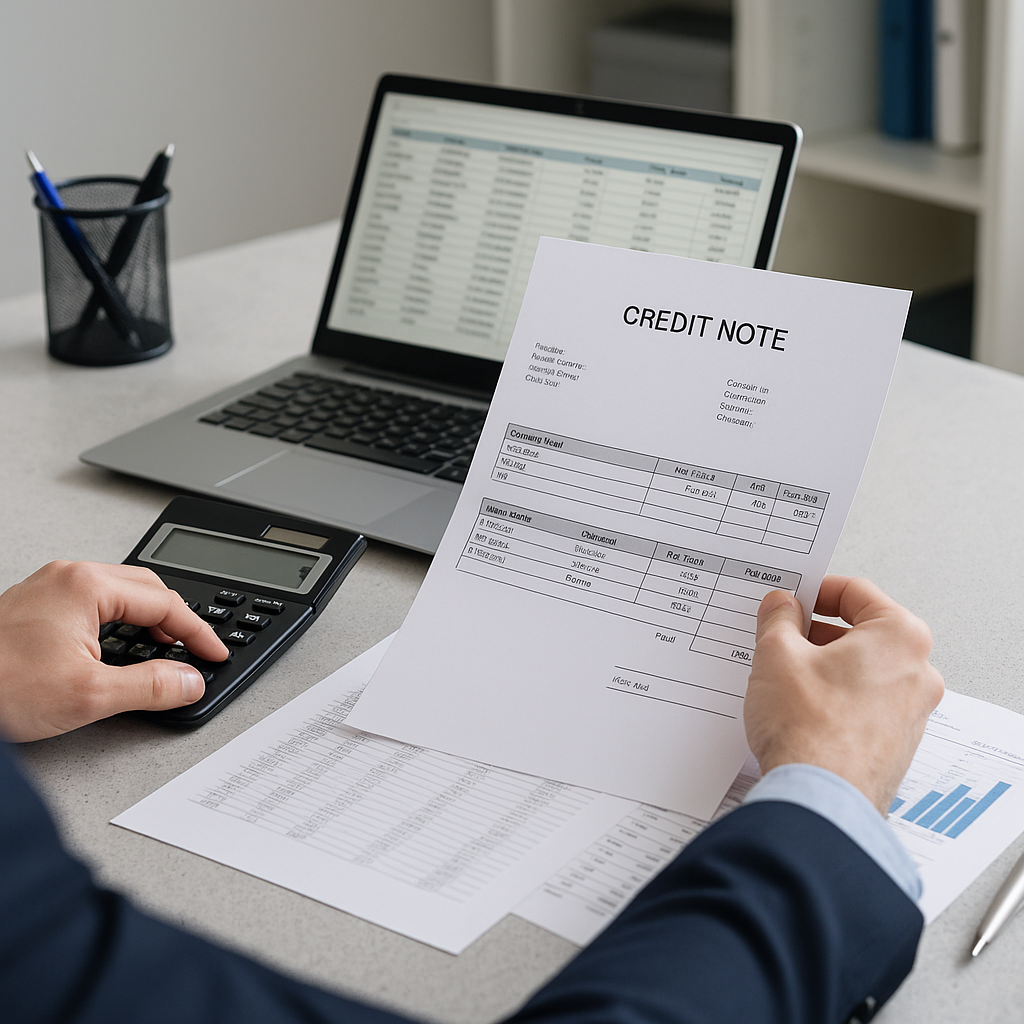
A proper review should be quick, consistent and tied back to the original transaction. Whether you manage this manually or use an invoice checking app, every credit note should be checked against the same points.
Match it to the original invoice
Start with the original supplier invoice. Confirm that the credit note refers to the correct invoice number, products, quantities and values. Watch for partial credits where only some items have been adjusted.
Confirm the reason for the credit
Not all credits are the same. Some relate to returns, some to pricing corrections, and some to short deliveries. You need a clear audit trail so your team knows why the value changed and whether any further action is needed.
Check VAT treatment carefully
In the UK, VAT on a credit note must align with the original supply. If the VAT treatment is wrong, your records and reporting can be thrown off. This is one area where rushed processing can create bigger issues later.
Make sure the credit is actually applied
A credit note issued is not always a credit note used. It may sit on account, be offset against a future order, or be missed entirely. The key question is simple: has your business received the financial benefit yet?
Common issues trade firms should look for
Even well-run businesses can lose money if they do not review supplier paperwork consistently. Common credit note problems include:
- Credits issued with the wrong reference details
- Quantity differences between the return and the credit
- Price corrections that do not fully reflect the overcharge
- VAT discrepancies
- Credits sitting unallocated on supplier accounts
- Duplicate adjustments causing confusion in reconciliation
These are not rare edge cases. They are routine admin leaks that affect cost comparison, supplier management and job profitability.
How to build a stronger process
If you want better price transparency and tighter purchasing control, your process should not rely on memory or goodwill. It should be built to work even when the office is busy.
Create a simple review workflow
Set a standard route for every credit note:
- Receive the document.
- Match it to the original invoice and order.
- Confirm values, VAT and reason.
- Record who approved it.
- Check the supplier account to ensure the credit has been used.
This gives your team consistency and reduces the risk of missed value.
Keep purchasing and accounts aligned
Purchasing teams often know why materials were returned or disputed. Accounts teams know whether the numbers have been posted correctly. When these two sides work in isolation, credits fall through gaps. A joined-up process improves control and reduces wasted time.
Use technology to speed up checks
Manual checks can work at low volume, but they become harder to maintain as orders increase. An invoice checking tool can help flag mismatches, missing references and value differences before they become write-offs.
That matters for trade firms that want faster cost review without adding more bookkeeping effort. Assured Bills is built around exactly that need, helping businesses avoid overpaying and gain more confidence in supplier billing.
Why this supports better procurement decisions
Credit note control is not only about accounts accuracy. It also improves procurement performance. When you can see where returns, pricing changes and disputed charges are happening, you gain better visibility into supplier behaviour and order quality.
That helps with:
- Comparing supplier value more accurately
- Managing recurring pricing issues
- Improving order tracking and internal accountability
- Protecting gross margin on material-heavy jobs
For plumbing and heating professionals across the UK, those benefits are practical. Better control over supplier documents means better decisions on future buying.
A smart July task before autumn demand builds
July is a good time to review open credits before workload rises again later in the year. A short check now can stop older supplier adjustments from being forgotten when project pace picks up.
Focus on the last 60 to 90 days of supplier activity. Look for any invoices linked to returns, shortages, damaged goods or pricing disputes. Then confirm whether the matching credit has been received and applied. It is a simple exercise, but it can recover value quickly.
If you want a better system for checking supplier billing and reducing overpayment on heating and plumbing materials, explore Assured Bills. If you are ready to put tighter controls in place, you can also sign up for Assured Bills or return via the Assured Bills login page to manage your checks more efficiently.