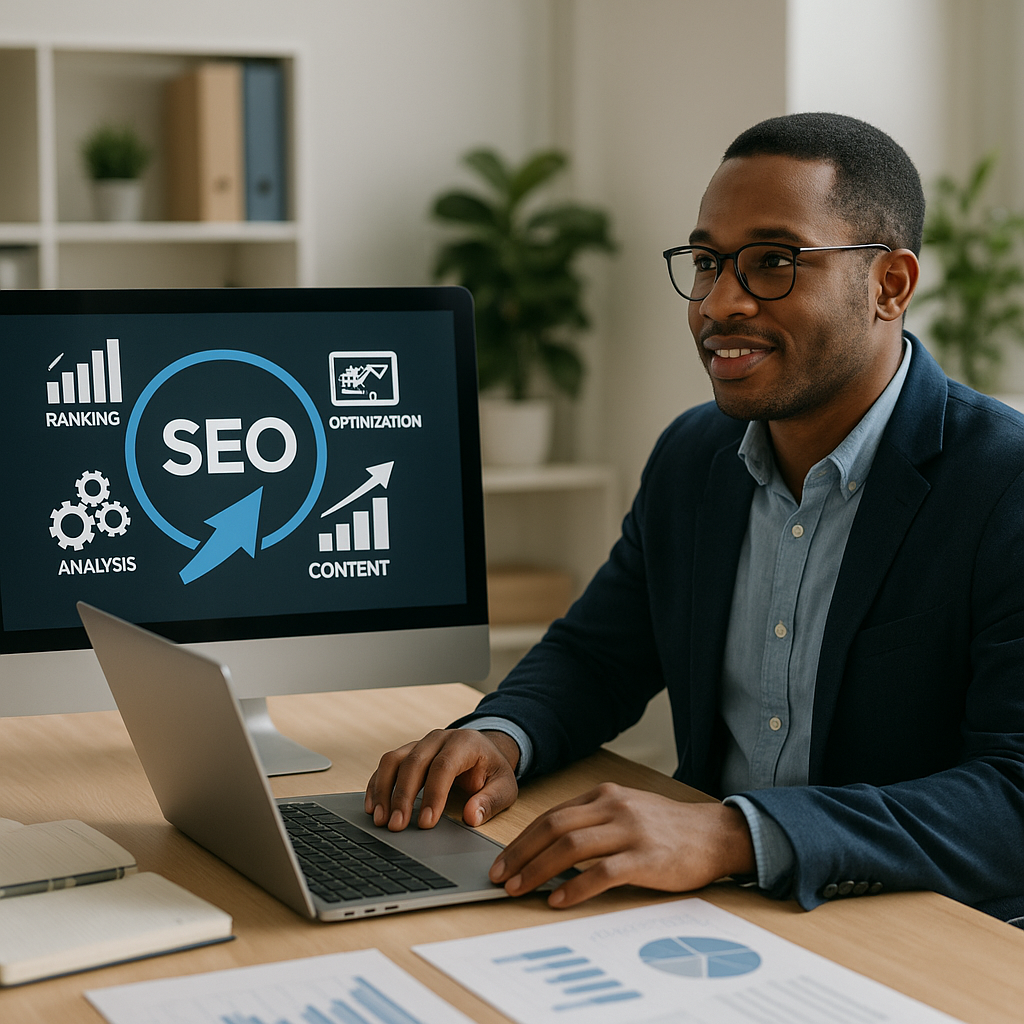
For many business owners and marketing managers, SEO is often measured by rankings and traffic first. Those metrics matter, but they are only part of the picture. The real commercial value of search engine optimisation is its ability to bring in the right visitors, support better buying journeys and help turn organic visibility into stronger sales performance.
In June, many UK businesses are reviewing first-half results, planning for summer cover and looking for reliable ways to maintain momentum while teams take annual leave. This is where a focused SEO strategy can make a practical difference. When your website is visible for high-intent searches, your business has more chances to generate enquiries, conversions and revenue without depending entirely on paid media.
Why SEO supports revenue, not just rankings
SEO helps companies increase sales and revenue by connecting them with people who are already looking for their products or services. Unlike some awareness-led channels, organic search often captures demand that already exists. That means the traffic arriving on your site can be much closer to taking action.
When SEO is planned properly, it improves several commercial factors at once:
- visibility for valuable search terms
- traffic quality rather than traffic volume alone
- trust in your brand through stronger search presence
- user journeys that make it easier to enquire or buy
- long-term returns from content and technical improvements
For example, a business ranking well for service pages, product categories or solution-led content is more likely to attract visitors with a clear need. If those pages are well optimised, easy to navigate and aligned with search intent, more of that traffic can convert into revenue.
The SEO areas that influence sales performance
A revenue-focused SEO strategy is about more than publishing blog posts. It requires alignment between search demand, website structure and conversion opportunities.
Targeting high-intent searches
Not all keywords have equal value. Some people are researching, while others are comparing options or looking to buy. Strong keyword targeting helps you prioritise terms with commercial intent, such as searches for services, pricing, locations, product features or urgent solutions.
This is one of the clearest ways SEO helps companies increase sales and revenue. By improving visibility for pages that match buyer intent, you attract users who are more likely to contact your team, request a quote or complete a purchase.
Improving on-page conversion signals
Good on-page SEO is not only about titles, headings and keywords. It also supports sales by making pages clearer and more persuasive. Visitors should immediately understand:
- what you offer
- who it is for
- why they should trust you
- what action to take next
Clear calls to action, strong service descriptions, proof points and useful FAQs all help organic visitors move forward. This is especially important during summer, when decision-makers may want quick answers before approving budgets or handing work over during staff holidays.
Fixing technical barriers to conversion
Technical SEO directly affects revenue when it removes friction from the user experience. Slow pages, indexing issues, broken forms, poor mobile usability and confusing site architecture can all reduce conversions.
In practical terms, even strong rankings are less valuable if your website cannot support the next step. Technical checks should include page speed, crawlability, internal linking, Core Web Vitals and the usability of key landing pages.
If you want to build stronger foundations, you can explore the latest insights on the Assured SEO blog, where practical search optimisation topics are covered regularly.
SEO helps your best pages work harder
Many companies already have pages that should be generating more business, but they are underperforming because they are not fully optimised. These might include service pages, contact pages, location pages or key product categories.
A useful way to improve revenue from SEO is to review whether these pages:
- match the language your audience actually uses in search
- answer common objections clearly
- include trust signals such as testimonials or experience
- link naturally to related services or supporting content
- offer a simple path to contact, book or buy
Small improvements to high-value pages can have a meaningful impact on enquiries and sales. This is often more commercially effective than chasing large volumes of low-intent traffic.
For businesses that want to understand how others have benefited from clear SEO guidance, the Assured SEO testimonials page is a useful place to review feedback.
Measuring SEO by business outcomes
If your reporting stops at impressions and clicks, you may miss the real value of search. Revenue-focused SEO should be tracked against outcomes that matter to the business.
Key performance indicators might include:
- organic leads or sales
- conversion rate from organic traffic
- enquiries from service pages
- revenue from organic landing pages
- growth in non-branded high-intent traffic
- assisted conversions from informational content
This approach helps marketing teams and business owners understand which activities contribute to sales, rather than simply which pages attract visits. It also makes it easier to prioritise future work and justify investment.
Why SEO compounds over time
One reason SEO remains commercially valuable is that improvements can continue delivering results long after they are implemented. A well-optimised page, useful content asset or technical fix can keep supporting traffic and conversions over the medium to long term.
That makes SEO particularly attractive for businesses looking to balance short-term lead generation with sustainable growth. While paid campaigns stop when spend stops, organic visibility can keep producing opportunities when supported by ongoing updates and performance tracking.
This is another way SEO helps companies increase sales and revenue. It creates a stronger digital asset in your website itself, making your online presence more productive over time.
A practical next step for businesses
If you want better commercial results from SEO, start by reviewing the pages closest to revenue. Look at where your best enquiries or sales should come from, then assess whether those pages are visible, technically sound and designed to convert.
For many UK businesses in June, this is a smart time to strengthen organic performance before summer disruptions affect marketing consistency. A focused SEO plan can help protect pipeline quality, improve search visibility and generate more value from the traffic you already attract.
If you want practical, straightforward guidance, Assured SEO shares daily insights for businesses and marketers looking to improve organic performance. You can learn more through the Assured SEO website or get in touch to discuss your SEO goals.