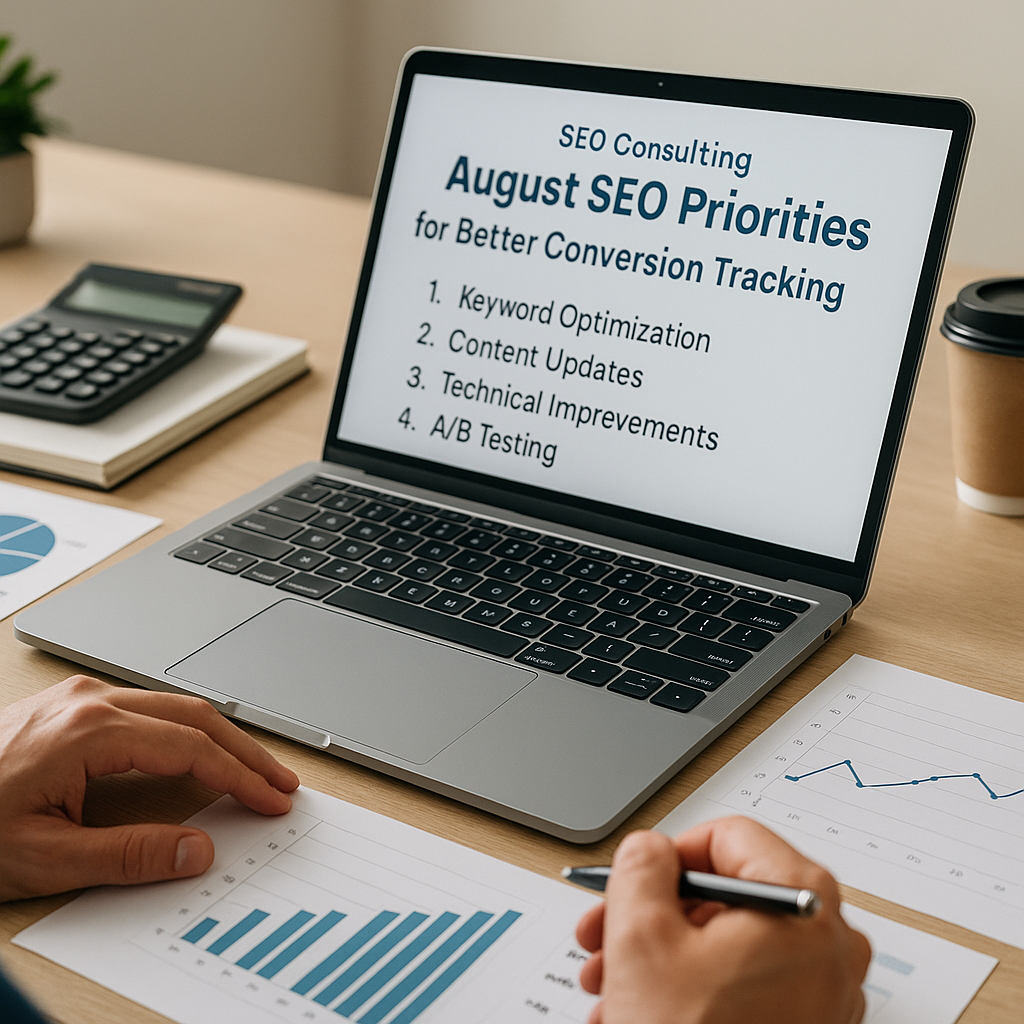
In August, many UK businesses are balancing holiday cover, shifting campaign budgets and preparations for the busy autumn period. That makes this a smart time to review SEO conversion tracking. If you are attracting organic traffic but cannot clearly see which pages, enquiries or calls are producing value, it becomes much harder to make confident decisions heading into September.
For business owners, marketing managers and digital teams, better tracking supports stronger SEO planning. It helps you see which content drives leads, where users drop off, and which improvements are worth prioritising. At Assured SEO, we often see businesses focus heavily on rankings and traffic while missing the data needed to connect organic visibility with real commercial outcomes.
Why August is the right time to review SEO tracking
August is often a transitional month. Website performance can shift because of summer behaviour, lighter staffing and changing customer intent. Some users may be researching while away from the office, others may be planning autumn projects, and many businesses are reviewing budgets before Q4.
This creates a useful opportunity to check whether your analytics setup still reflects how people convert today. A form submission that mattered last year may no longer be your main lead source. A click to call action may be more important during summer when customers want fast answers. If those interactions are not tracked properly, your reporting may understate the value of organic search.
What SEO conversion tracking should include
Good conversion tracking for SEO goes beyond measuring pageviews or average time on site. It should show how users from organic search move through your website and which actions indicate genuine business value.
Core actions worth tracking
Depending on your business model, useful SEO conversions may include:
- Contact form submissions
- Phone call clicks from mobile users
- Quote requests
- Newsletter sign-ups
- Downloaded guides or brochures
- Booked consultations or demo requests
- Purchases from organic landing pages
Supporting engagement signals
Not every useful signal is a final conversion. In many cases, especially for higher-value services, you should also monitor:
- Visits to key contact or pricing pages
- Clicks on email links
- Interactions with location pages
- Scroll depth on major service pages
- Visits from organic blog content to sales-focused pages
These metrics help you understand whether your SEO content is attracting the right audience and moving them closer to enquiry.
Common August tracking issues to fix now
If your team has made website updates over summer, there is a good chance some reporting gaps have appeared. Small technical changes can break measurement without being obvious straight away.
1. Forms are no longer recording properly
A new thank-you page, embedded form or plugin update can stop conversions being counted. Test your most important forms manually and confirm the event appears in your analytics platform.
2. Phone call clicks are missing
In August, users often want quick answers, especially when teams are managing reduced staffing or time-sensitive enquiries. If mobile call clicks are not tracked, your organic lead volume may look weaker than it really is.
3. Organic traffic is grouped too broadly
If reporting combines all channels or does not clearly segment organic search, it becomes difficult to prove SEO value. Make sure your dashboards isolate organic performance properly.
4. Key pages are not connected to outcomes
Many businesses know which pages get traffic, but not which ones help generate leads. Review your main landing pages and check whether each one is linked to measurable conversion actions.
A practical August checklist for cleaner SEO reporting
Use this short review to improve your organic search reporting before autumn demand picks up:
- Confirm your main business goals for SEO, such as leads, calls or sales.
- Test every high-value form on desktop and mobile.
- Check that phone, email and booking clicks are tracked correctly.
- Review your top organic landing pages from the past 30 to 60 days.
- Compare high-traffic pages with actual conversion data.
- Identify blog posts that assist conversions by sending users to commercial pages.
- Remove outdated goals or duplicate events that confuse reporting.
- Build a simple dashboard focused on SEO traffic, conversions and landing page performance.
This does not need to be overly complicated. The goal is clarity. Better data helps you allocate time and budget more effectively.
How better tracking improves SEO decisions
When SEO analytics are reliable, your strategy becomes far more practical. Instead of assuming a page is successful because it ranks well, you can ask more useful questions.
For example:
- Which service pages turn organic visitors into enquiries?
- Which blog topics attract relevant users who later convert?
- Which landing pages need stronger calls to action?
- Which low-converting pages might need content refinement or better intent matching?
This is especially valuable in late summer, when many UK businesses are preparing campaigns for September and beyond. Clear conversion data helps you prioritise the content, technical fixes and on-page improvements most likely to support revenue.
Do not let traffic metrics tell only half the story
Traffic growth matters, but it is only one part of SEO performance. If your reports stop at clicks and impressions, you may miss the bigger picture. Strong conversion tracking gives context to rankings, content performance and user behaviour.
That is why August is such a useful checkpoint. Before autumn workloads increase, take time to confirm that your SEO data reflects what your business actually values. Even a few quick fixes now can improve decision-making for the rest of the year.
If you want more practical guidance, explore the latest insights on the Assured SEO blog, read what businesses say on our client testimonials page, or get in touch via our contact page. Assured SEO publishes straightforward, actionable SEO advice to help businesses improve rankings, traffic and measurable results.