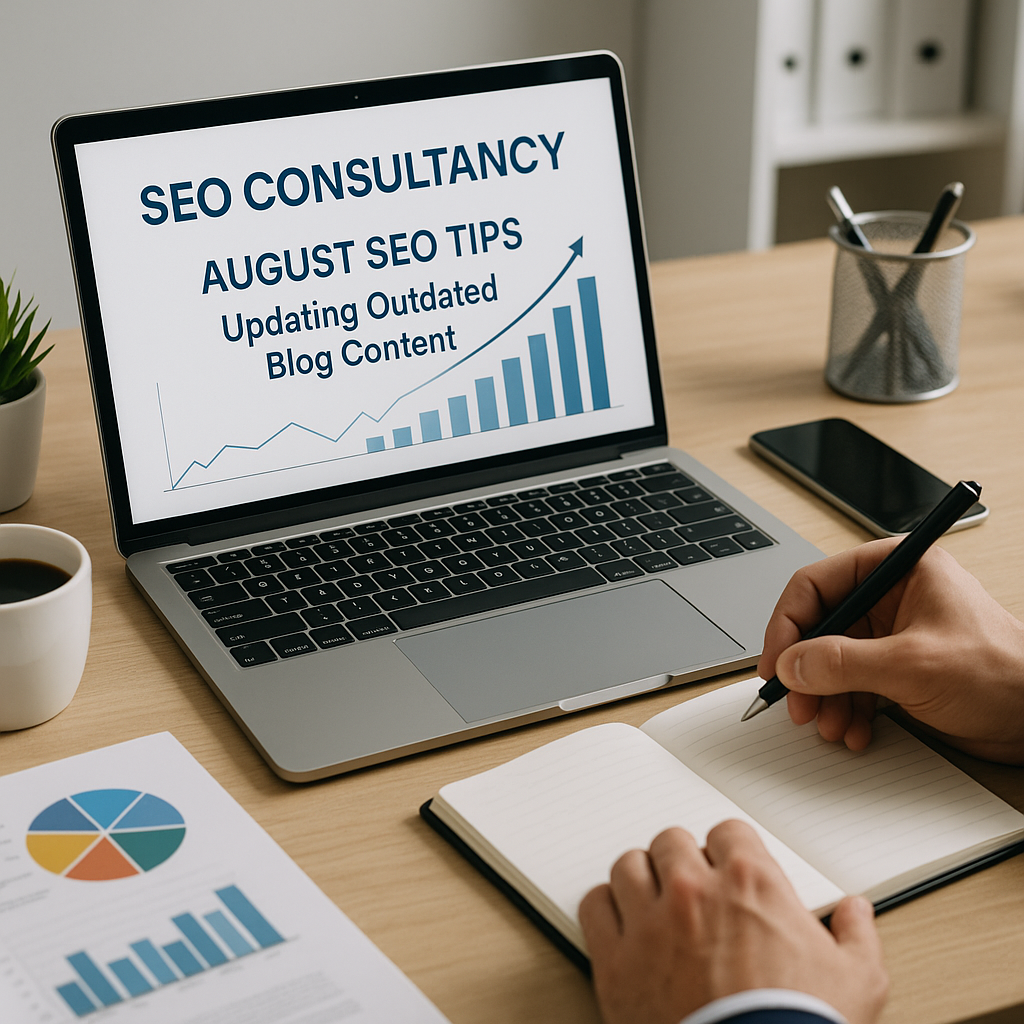
In August, many UK businesses notice a slight shift in website performance. Team holidays, changing customer behaviour and preparation for autumn campaigns can all affect organic traffic. One of the most practical ways to protect rankings and improve visibility at this point in the year is to update outdated blog content.
For business owners and marketing teams, this is often a quicker win than creating every new page from scratch. A strong content refresh can improve relevance, strengthen on-page SEO and help your site compete more effectively for current search demand. At Assured SEO, this is one of the most useful mid-year tactics we recommend for businesses that want to build momentum before autumn.
Why August is a smart time to refresh older content
Refreshing existing articles in late summer gives you time to improve performance before Q4 competition increases. It also helps you correct pages that may now be inaccurate, thin or misaligned with current search intent.
A content update can be especially useful in August because:
- search behaviour changes as people return from summer breaks and start planning for September
- older statistics, screenshots and references may now look dated
- search engine optimisation works best when content remains accurate and useful
- updated pages can support stronger internal linking across your site
- you can improve content quality without waiting on a full content production cycle
If your blog has grown steadily over time, some posts are likely no longer performing as they once did. That does not always mean they should be deleted. In many cases, they simply need to be refreshed.
How to identify blog posts worth updating
Not every older page needs attention first. Prioritise posts that already have some visibility, links or historical traffic, but have started to decline.
Key signals to look for
Check your analytics and search performance data for pages that show:
- falling clicks or impressions over the last three to six months
- average positions slipping from page one to page two
- high impressions but weak click-through rates
- outdated examples, tools or best practices
- topics affected by recent search engine algorithm updates
These pages often have the strongest potential because they already have some authority. Updating them can be more efficient than launching a brand new article on the same subject.
Prioritise commercially relevant topics
Focus first on posts linked to your key services, products or lead generation goals. If an article brings in visitors who are likely to become enquiries, it should move up your list.
For example, a business offering consultancy, e-commerce support or local services should review blog posts that answer common buying-stage questions. This supports both content optimisation and broader SEO performance.
What to update in an older blog post
A proper content refresh goes beyond changing the publication date. To improve outdated blog content properly, review the page in a structured way.
Strengthen relevance and usefulness
Ask whether the article still solves the reader's problem today. Then improve it by:
- rewriting weak introductions so they match current search intent
- removing outdated references and replacing them with current examples
- adding missing detail where the original content is too shallow
- improving readability with clearer headings and shorter paragraphs
- including practical steps, checklists or examples where useful
If the topic is still important but the advice feels generic, add more specific insight based on real experience. This helps demonstrate expertise and trustworthiness.
Improve on-page SEO elements
When updating a post, review the following:
- page title and meta description
- H1 and H2 headings
- internal links to newer relevant pages
- image alt text where appropriate
- keyword targeting based on current search terms
- calls to action aligned with business goals
Be careful not to force keywords into the copy. Good on-page SEO should feel natural and support the user experience.
Do not ignore internal linking opportunities
A refreshed blog post can become more valuable when it is connected properly to the rest of your website. Internal linking helps search engines understand page relationships and can guide readers towards more useful resources.
For example, you can point readers towards daily SEO blog insights, learn more about Assured SEO pricing, or encourage enquiries through the contact page for Assured SEO.
This is also a good time to check whether newer pages on your site should link back to the refreshed article. Internal links should always be relevant and helpful, not added at random.
Common mistakes when refreshing blog content
A blog update can help rankings, but only if it is handled carefully. Avoid these frequent problems:
- changing the topic so much that the original search intent is lost
- removing useful sections without improving the page overall
- updating the date without making meaningful edits
- targeting too many keywords in one article
- forgetting to check whether the content still fits your wider SEO strategy
Another mistake is refreshing low-value pages while ignoring stronger opportunities. Start with content that already has authority or supports important business goals.
A practical August content refresh process
If you want a simple workflow, use this approach:
- export your blog pages and review traffic and ranking trends
- shortlist posts with declining but recoverable performance
- check current search results for changes in search intent
- update content depth, structure and on-page SEO
- add relevant internal links and a clear call to action
- re-submit key pages for crawling if needed
- monitor results over the next four to six weeks
This kind of August SEO task is practical, measurable and well suited to businesses preparing for a busier autumn period.
Final thoughts
Updating outdated blog content is one of the most efficient ways to strengthen your SEO in August. It helps protect existing visibility, improves content quality and supports better rankings without relying only on new content production.
For UK businesses wanting practical gains before autumn, this is a sensible area to prioritise now. If you want expert support reviewing your content and identifying the best SEO opportunities, Assured SEO can help. Explore the site, read the latest advice, or get in touch with Assured SEO to discuss your next steps.