When you are managing life between two homes, the right digital tools can make everyday admin feel much lighter. From keeping track of child support payments to sharing children’s expenses, a co-parenting app can help reduce confusion and make conversations about money calmer and clearer.
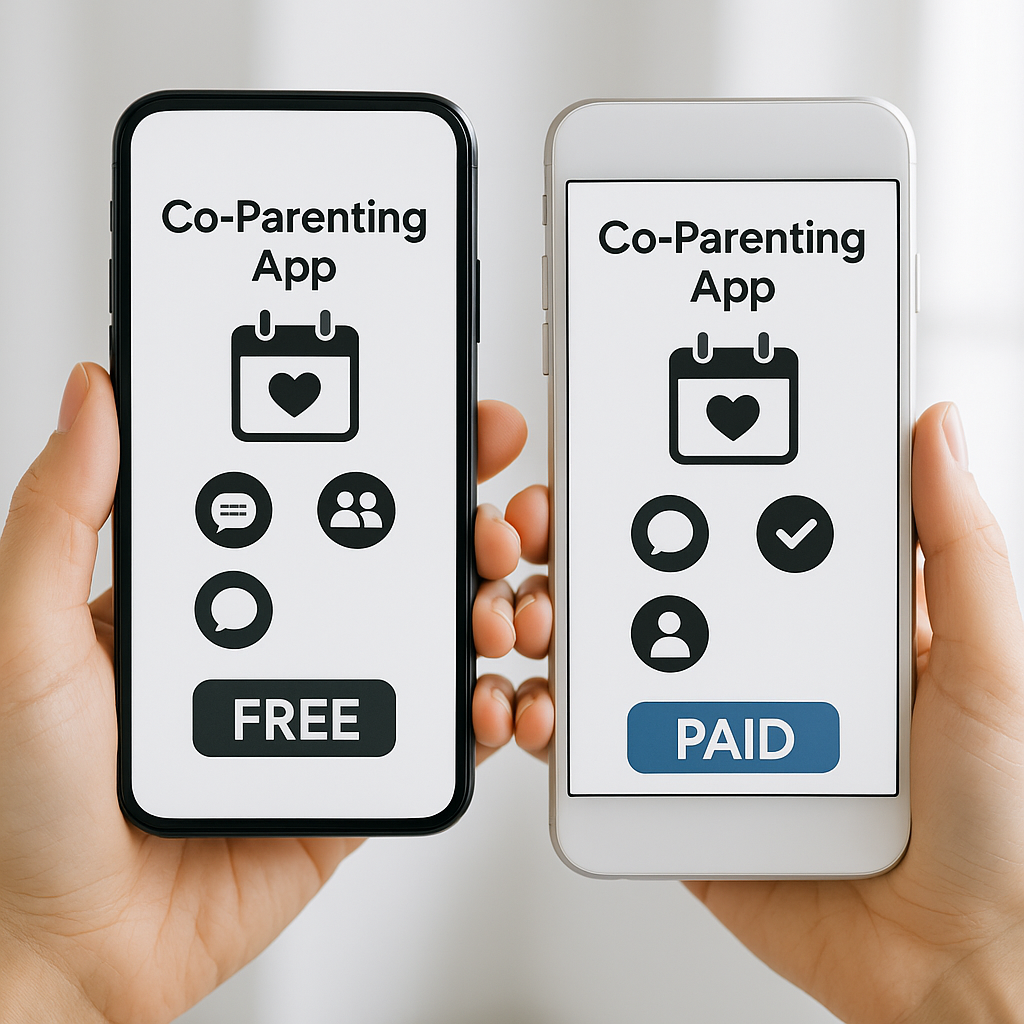
If you are comparing free and paid co-parenting apps, it is understandable to wonder whether paying is really worth it. For many separated parents in the UK, especially heading into summer when school holidays, childcare changes, trips and extra costs all start to build up, the answer depends on what you need the app to do.
What free co-parenting apps usually offer
A free co-parenting app can be a useful starting point, particularly if you are trying to move away from scattered text messages, email chains and handwritten notes.
In many cases, free tools include basic features such as:
- simple shared calendars
- limited messaging
- basic expense logging
- manual reminders
- a simple overview of activity
For some families, that is enough. If communication is already fairly smooth and shared costs are minimal, a free app may help you stay more organised without adding another monthly bill.
Where free tools can fall short
The challenge is that free apps often have limits. You may only get a restricted number of entries, fewer records, or less support for managing financial details properly. That can become frustrating when you need more transparency around children’s spending.
This matters most when you are trying to keep clear records of:
- child maintenance paid and received
- one-off school or activity costs
- holiday spending for children
- receipts for clothes, clubs or travel
- who owes what and when
If an app does not make those tasks easy, you may still end up doing most of the work manually.
What paid co-parenting apps can do better
Paid platforms often go beyond messaging and calendars. They are usually designed to give separated parents more structure, more visibility and a better way to handle shared financial responsibilities.
A paid co-parenting app may include:
- more detailed child support payment tracking
- tools for co-parenting expense management
- receipt uploads and organised records
- clearer payment histories
- shared budgets for children
- automated prompts or status updates
- better reporting when you need to review spending over time
These features can save time, but they also do something more important. They can reduce conflict over money by making information visible to both parents.
Why that matters in real life
Many disagreements do not begin with the amount itself. They begin when one parent feels unsure about what has been paid, what was agreed, or whether a cost was shared fairly. A better app can support transparency and accountability between parents, which often helps lower stress on both sides.
During June and the wider summer period in the UK, that becomes especially relevant. Costs can quickly increase because of holiday clubs, summer clothing, day trips, travel and changes to usual routines. When those expenses are recorded clearly and shared in one place, there is less room for misunderstanding.
How to decide what is right for your family
Rather than asking whether free or paid is better in general, it is often more helpful to ask which option fits your situation now.
A free app may suit you if:
- your co-parenting communication is already consistent
- you have very few shared child-related expenses
- you only need a simple place for dates and notes
- both parents are comfortable handling most admin manually
A paid app may be worth it if:
- money conversations often become tense or unclear
- you want reliable child support payment tracking
- you regularly split school, clothing, activity or holiday costs
- you need receipts and records in one place
- you want a clearer view of what has been paid, missed or still needs attention
A useful way to think about it is this. If the app helps prevent even one recurring disagreement each month, or saves hours of chasing records and checking figures, a paid option may offer value beyond the subscription cost.
What to look for before choosing
Not all apps are built with the same priorities. Some focus heavily on messaging or scheduling. Others are more useful for managing the financial side of co-parenting.
If money management is one of your main concerns, look for a platform that helps you:
- record child-related expenses clearly
- track payments without confusion
- store receipts and supporting documents
- review shared costs over time
- keep communication factual and focused
A good platform should feel easy to use, not like another source of stress. It should support better habits, clearer records and more constructive communication.
For parents who want a straightforward way to manage shared costs, see how Split the Sprout works. It is designed to help co-parents organise payments and expenses in a practical, calm and transparent way.
Free is not always cheaper in the long run
It is natural to focus on upfront cost. But when comparing free and paid co-parenting apps, it is also worth thinking about the hidden cost of disorganisation.
That might include:
- missed reimbursements
- repeated arguments about who paid for what
- lost receipts
- unclear records during reviews or discussions
- extra time spent searching old messages and bank statements
In that sense, the best co-parenting app is not simply the one with no monthly fee. It is the one that helps your family manage responsibilities more fairly and with less friction.
Split the Sprout sits in that practical space. As a digital platform for child support payment management and children’s shared expenses, it aims to make the financial side of co-parenting easier to track and easier to discuss. You can explore child support payment management with Split the Sprout or create an account here if you are ready to get started.
Final thoughts
Free apps can absolutely be helpful, especially for simple arrangements. But if you need better records, more clarity and a calmer way to manage child-related spending, a paid tool may be the stronger option.
The best choice is the one that supports your child’s needs while making life more manageable for both parents. If you are looking for a simple, supportive way to bring more structure to shared finances, Split the Sprout is well worth exploring.