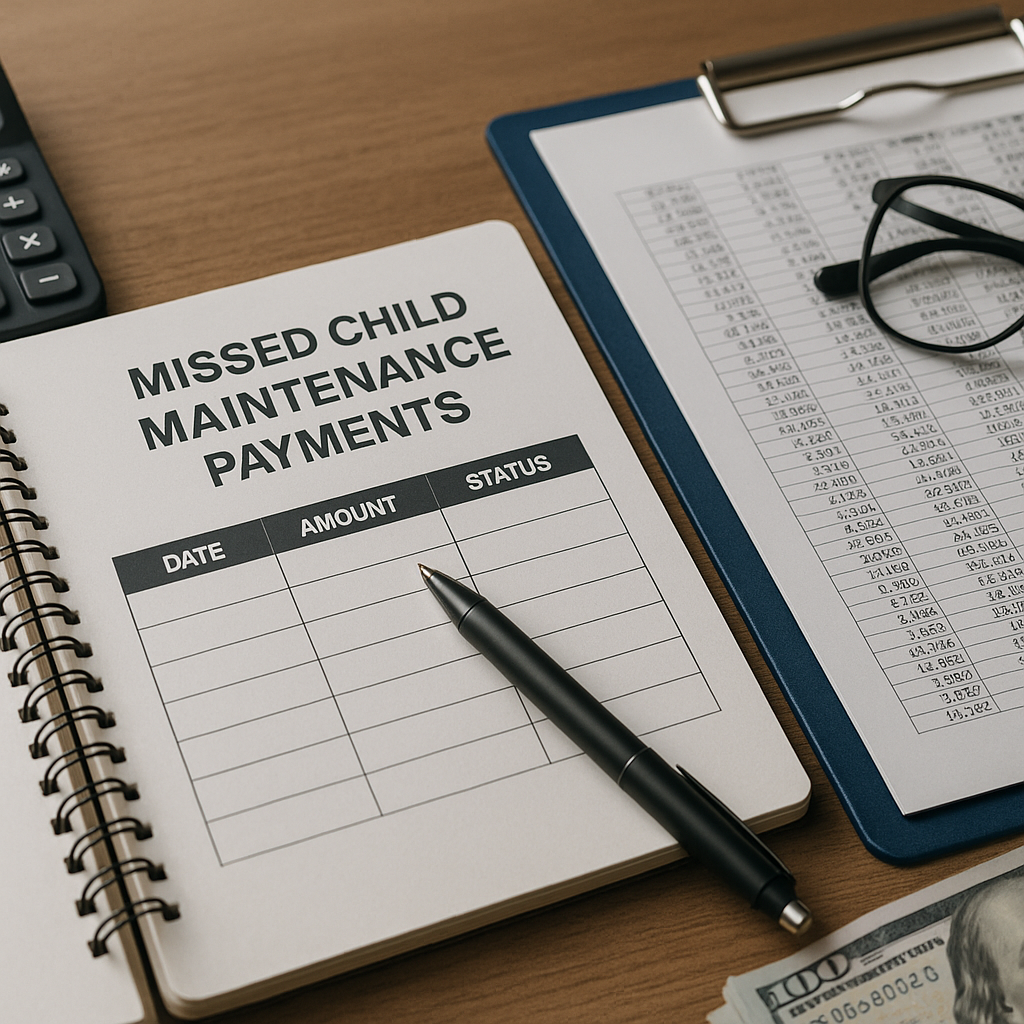
When child maintenance does not arrive on time, it can create immediate stress. In August, that pressure often feels sharper. Summer activities, childcare during school holidays, and the build-up to September spending can all make cash flow tighter for separated parents across the UK.
If you are trying to keep things calm while also protecting your child’s day-to-day needs, a clear system matters. A reliable record can reduce arguments, support better communication, and help both parents stay focused on facts rather than frustration. That is where a digital child maintenance tracker in the UK can make a real difference.
Why missed payments are so difficult to manage
A missed payment is not only about the money itself. It can quickly affect practical planning between two homes. You may be left wondering:
- Was the payment late, partial, or completely missed?
- Has it happened once, or is it becoming a pattern?
- Which child-related costs now need to be delayed or covered elsewhere?
- Do both parents agree on what has and has not been paid?
Without a shared record, these questions can turn into repeated messages, confusion over dates, and disagreements about figures. For many families, the biggest problem is not simply the payment issue. It is the lack of visibility.
Using an app for separated parents in the UK can help replace memory-based conversations with a clear timeline of what was due, what was paid, and what still needs attention.
What to record when a payment is missed
A useful system should be simple enough to keep updated, but detailed enough to avoid confusion later. If you want to track child maintenance payments through an app, focus on recording the basics consistently.
Key details to log
Make sure each entry includes:
- The payment due date
- The amount expected
- The amount actually received
- The date received, if late
- Any shortfall still outstanding
- A note explaining the situation, if one has been shared
This creates a practical running history. If one parent says a payment was made, both people can refer back to the same information instead of debating what happened.
Keep supporting records together
It also helps to store related evidence in one place, such as:
- Bank transfer confirmations
- Screenshots of payment references
- Receipts for child-related costs that had to be covered instead
- Notes about agreed catch-up payments
This is especially helpful if you are already managing broader co-parenting expense management. When maintenance payments and children’s costs are tracked side by side, it becomes easier to understand the full picture.
How clear tracking can reduce conflict
A shared record does not solve every problem, but it often lowers the temperature. When both parents can see the same dates and figures, there is less room for misunderstanding.
This is one reason many families look for a co-parenting app in the UK rather than relying on text messages and spreadsheets. A well-designed tool can support:
- Transparency around money
- Accountability for agreed payments
- Better planning for upcoming costs
- Fewer emotional back-and-forth messages
- Clearer communication about shortfalls or delays
In practice, this means conversations can become more specific and less personal. Instead of saying, “You never pay on time”, it becomes, “The payment due on 5 August has not yet been marked as received.” That small shift can help keep discussions calmer and more child-focused.
Why August is a good time to set up a better system
August is often when separated parents realise their current approach is not working. School holiday costs are still happening, routines may be less predictable, and the new term is just around the corner.
If payments have been irregular over the summer, now is a sensible time to put a clearer process in place before autumn brings fresh expenses. This is particularly useful if you are also trying to manage shared budgets for children, clothing purchases across two homes, or last-minute activity costs.
For some parents, a missed child maintenance payment tracker becomes the first step towards better overall organisation. Once you can see what has happened with regular payments, it is easier to build stronger habits around receipts, records, and fair cost sharing more broadly.
What to look for in a tracking tool
Not every tool is designed with co-parents in mind. If you are comparing options, look for features that support both clarity and day-to-day ease.
A helpful platform should offer:
- A simple way to log due and received payments
- Clear visibility for both parents
- Space to add notes and payment context
- Tools for organising receipts and child-related expenses
- A straightforward interface that does not add more stress
For parents who also want a co-parent communication app in the UK, it helps when the financial side is central rather than treated as an afterthought. Money is often one of the biggest sources of tension, so a tool that keeps financial records organised can be especially valuable.
A practical way to stay organised
Split the Sprout is designed to help separated parents manage child-related payments and expenses with more clarity. Rather than chasing old messages or searching through banking apps, you can keep important information in one place and create a more transparent record for both households.
If you want to understand the platform better, you can explore how Split the Sprout works. If you are ready to get started, you can sign up for Split the Sprout. You can also visit the Split the Sprout home page for an overview of its child support payment management tools.
Final thoughts
Missed maintenance payments can feel deeply personal, but tracking them clearly helps keep the focus on facts, fairness, and your child’s needs. In many cases, a better system can reduce stress before disagreements become bigger than they need to be.
If you are looking for a practical child maintenance tracker in the UK this August, Split the Sprout offers a supportive way to organise payments, records, and shared child expenses with greater confidence.