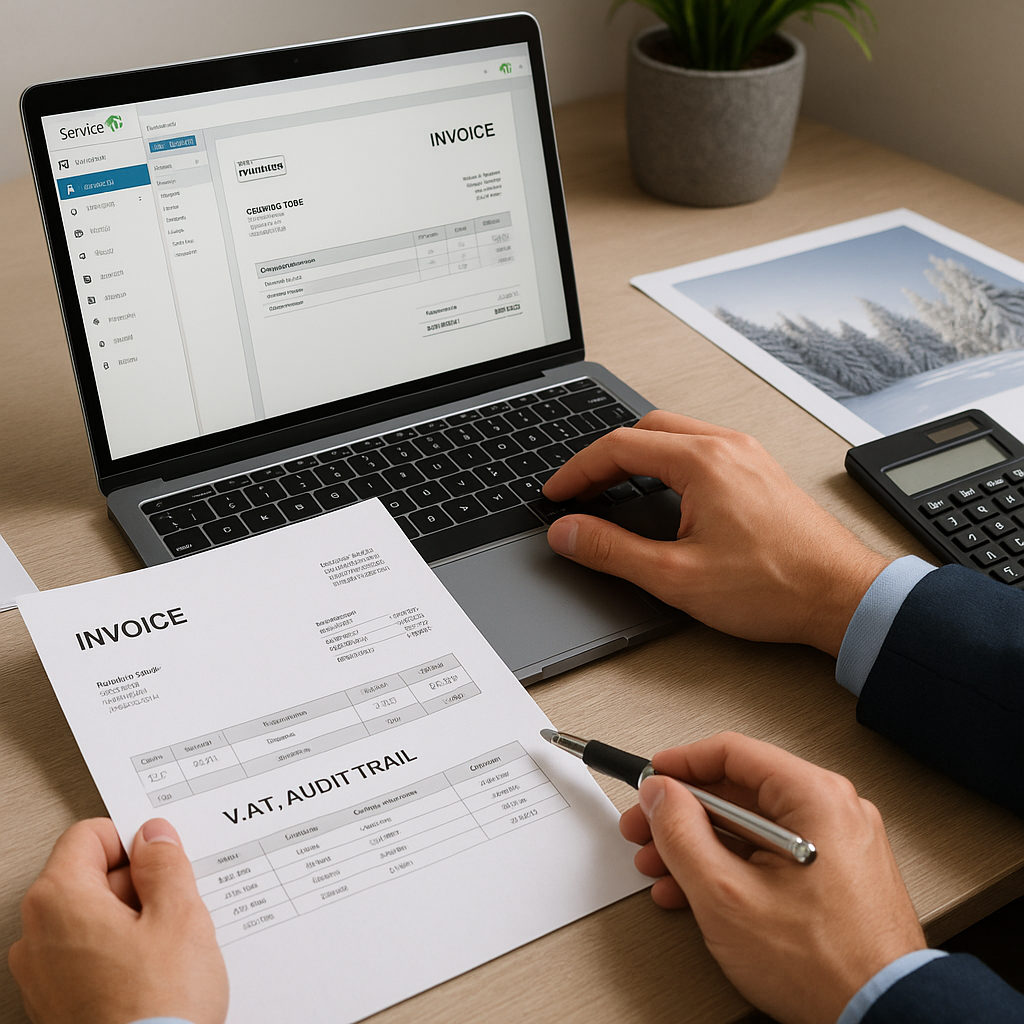
October is a key month for plumbing and heating firms. Winter demand is building, material volumes are rising, and admin can quickly become harder to control. If your team uses ServiceM8 to manage jobs, now is the right time to tighten your invoice audit trail before supplier paperwork starts piling up.
For trade businesses, this is not just an accounts issue. It is a margin issue. When supplier invoices are hard to trace, match and verify, overpayments slip through, queries drag on, and VAT records become more stressful than they need to be. That is where Assured Bills adds real value, helping you check invoice accuracy and improve control without relying on manual bookkeeping checks.
Why invoice audit trails matter more in October
As colder weather approaches across the UK, plumbing and heating contractors often see an increase in urgent work, pre-winter maintenance, and larger material orders. More buying activity means more chances for billing mistakes.
A clear audit trail helps you:
- track who ordered materials and when
- link supplier invoices to the right job or customer visit
- spot duplicate or inconsistent charges faster
- prepare cleaner records for VAT returns and month-end reviews
- reduce time wasted chasing paperwork across the office and field teams
For businesses trying to protect profit this autumn, that level of visibility matters. Even small invoice errors can stack up when order volumes rise.
How ServiceM8 supports better purchase control
ServiceM8 is already used by many trade firms to organise jobs, teams and customer activity. The opportunity is in making sure your purchasing records work just as hard as your job management process.
When supplier invoices are connected to job information properly, you get a clearer picture of true material costs. That helps purchasing managers, business owners and office teams make quicker decisions when buying heating and plumbing supplies.
Where gaps usually appear
In many firms, the weak point is not raising jobs. It is what happens after materials are bought. Common problems include:
- invoices arriving with unclear line descriptions
- prices that do not match what was expected at the trade counter
- charges allocated to the wrong job
- missing backup when reviewing supplier costs later
- manual checks taking too long during busy periods
These gaps make it harder to stay in control, especially when winter work starts ramping up.
Why this affects profit, not just admin
If you cannot easily review invoice history, compare supplier charges or confirm what was actually supplied, you are more likely to absorb unnecessary cost. For plumbing and heating businesses, that can erode margin across dozens of jobs before anyone notices.
This is why smart procurement is becoming part of better financial control. It is no longer just about recording bills. It is about checking whether you should be paying them in the first place.
What a stronger invoice audit trail should include
A good process does not need to be complicated, but it does need to be consistent. Whether you work with cloud accountants in Essex or manage finance in-house, these checks can make a real difference.
Job-linked invoice records Make sure each supplier invoice can be tied back to a specific job, team or purchase event in ServiceM8.
Clear supplier naming Standardise supplier records so reporting stays clean and duplicate entries do not muddy the picture.
Line-level review Check quantities, prices and product descriptions closely, especially on frequently ordered heating and plumbing materials.
Fast exception spotting Flag unusual charges, repeated items or pricing that sits outside expected ranges.
VAT-ready documentation Keep records accessible and organised so your finance team, tax adviser in Essex, or external support can review them quickly.
Why this matters for growing trade firms
As a business grows, supplier spend often grows faster than internal controls. You may have stronger sales, a fuller diary, and more engineers on the road, but if buying remains loosely managed, profit can still leak away.
That is one reason some firms look for broader support such as outsourced finance department services in Essex or purchase ledger management in Essex. Even so, specialist invoice checking still fills an important gap. It focuses attention on whether material costs are accurate, justified and properly recorded.
For trade businesses, this is especially relevant in October. More heating demand, urgent call-outs and seasonal stock movement can increase invoice volume quickly. If the audit trail is weak, errors become harder to catch at the point they matter.
How Assured Bills helps alongside ServiceM8
Assured Bills is built to help trade professionals avoid overpaying for heating and plumbing materials. By using AI-driven invoice checking, the platform helps identify billing issues without the delay and labour cost of manual reviews.
This gives you a more practical way to strengthen control over supplier costs while your team stays focused on jobs and customers.
You can also explore Assured Bills for trade material savings if you want a clearer view of where overpayments may be happening. If you are ready to start using the platform, you can create an Assured Bills account. Existing users can also log in to Assured Bills to review current supplier invoices.
Final thought
Winter pressure exposes weak processes quickly. If your plumbing or heating business uses ServiceM8, October is the ideal time to tighten your invoice audit trail, improve VAT readiness and reduce the risk of paying too much for materials.
If you want better visibility, faster checks and stronger protection for your margins this season, speak to Assured Bills and see how much unnecessary spend you can stop before winter really kicks in.