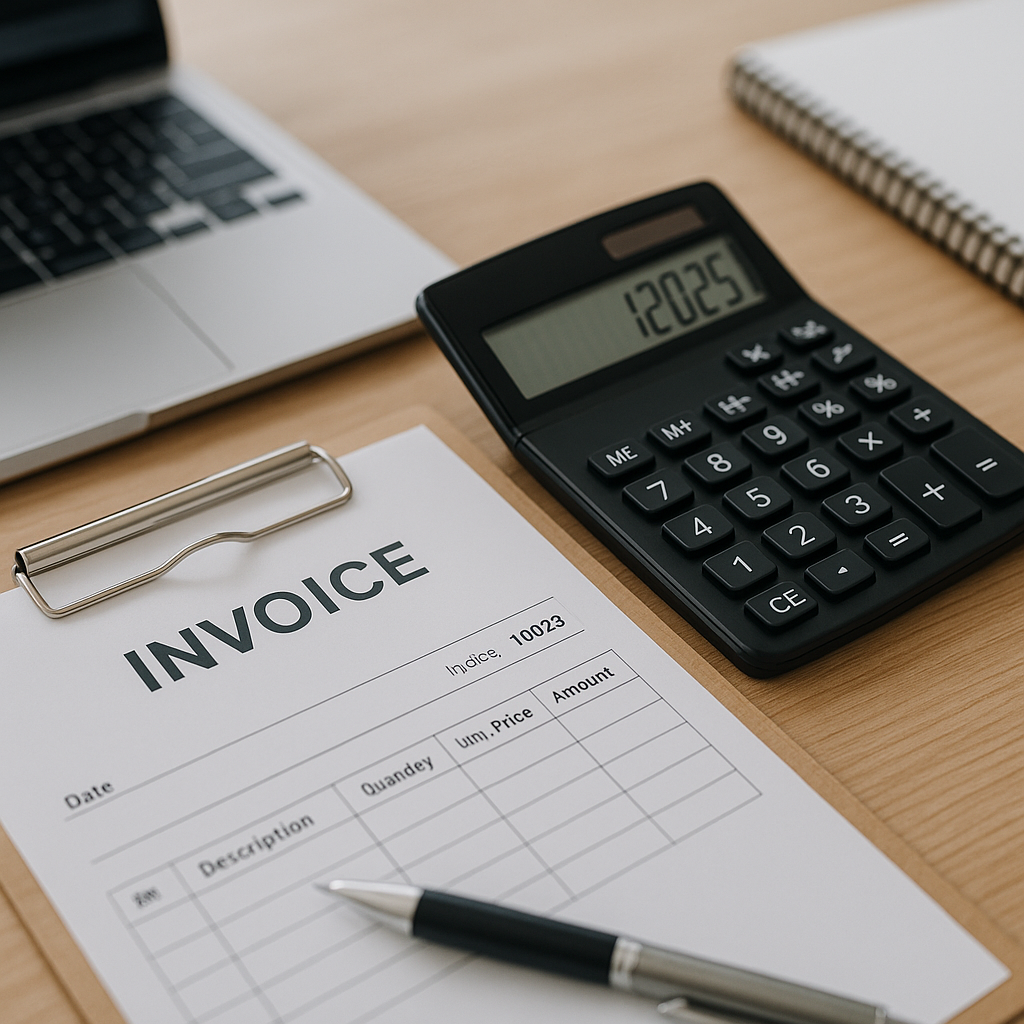
Choosing the right invoice numbering system can save your business time, reduce admin errors and make record-keeping much easier. For busy business owners in Essex and across the UK, a clear system helps you stay organised, track payments properly and keep on top of your cashflow.
As we move through May, many businesses are reviewing processes after the busy start to the year. If you are taking on new projects, ordering more materials or managing a higher volume of supplier bills, now is a sensible time to make sure your invoicing and bill management processes are easy to follow.
Why an Invoice Numbering System Matters
An invoice number is more than just a reference on a document. It helps you:
- identify invoices quickly
- match payments to the right customer or supplier record
- reduce confusion if there is a dispute or query
- keep financial records tidy for bookkeeping and reporting
- support better budgeting and cashflow planning
Without a clear numbering system, invoices can be duplicated, missed or filed incorrectly. That can create delays, increase the risk of late payment follow-ups and make it harder to stay in control of your wider financial organisation.
What Makes a Good Invoice Numbering System?
A good invoice numbering system should be simple, consistent and easy for your team to use. It does not need to be complicated. In most cases, the best system is one that lets you find an invoice quickly and understand where it fits in your records.
1. Keep It Consistent
The most important rule is consistency. Once you choose a format, stick to it. For example:
- INV-001
- INV-002
- INV-003
Or, if you want to include the year and month:
- INV-2026-05-001
- INV-2026-05-002
This can be especially useful if your business handles a large number of invoices each month.
2. Make It Easy to Search
Your numbering system should help you locate invoices quickly. This is helpful when checking payment records, reviewing customer accounts or answering queries.
A searchable format becomes even more valuable when combined with digital financial organisation tools. If you are already working towards more streamlined bill tracking, it is worth looking at our bill management services to support a more efficient process.
3. Avoid Random or Repeated Numbers
Using ad hoc numbers or starting again each time can lead to duplication. Repeated invoice numbers create confusion and can affect internal record-keeping. A sequential format is usually the safest option.
Popular Invoice Numbering Methods
There is no single perfect method for every business. The right approach depends on your size, invoice volume and how detailed you want your records to be.
Sequential Numbering
This is the simplest option. You start at a number such as 001 and continue in order.
Example:
- 001
- 002
- 003
Best for:
- sole traders
- small businesses
- businesses with lower invoice volumes
Date-Based Numbering
This uses the date as part of the invoice reference.
Example:
- 2026-05-001
- 2026-05-002
Best for:
- businesses that want invoices sorted by month or year
- businesses reviewing monthly income and expenses regularly
This can work well alongside monthly budgeting and cashflow planning, particularly when trying to stay on top of seasonal spending.
Customer or Project-Based Numbering
Some businesses include a client code or job reference.
Example:
- CLARK-001
- ESSEXBUILD-2026-001
Best for:
- project-based businesses
- firms managing multiple departments or locations
This can make records clearer, but it is important to keep the format manageable.
How to Choose the Right System for Your Business
When deciding on your approach, ask yourself these questions:
- How many invoices do you send each month?
- Will more than one person create invoices?
- Do you need to search by date, customer or project?
- Will your system still work as your business grows?
- Does it fit with your existing accounting or bill tracking process?
For many business owners, the best answer is a simple sequential or date-based system that can scale over time. The aim is to reduce admin, not create more of it.
Common Mistakes to Avoid
A numbering system should make life easier. Avoid these common problems:
- skipping between formats without a reason
- using duplicate invoice numbers
- making references too long or confusing
- relying on manual tracking without checks in place
- forgetting to align invoicing with wider bill and payment records
If your business also manages regular supplier invoices, utility bills or recurring monthly costs, organisation becomes even more important. Secure online tools, automated reminders and better bill visibility can help reduce missed payments and avoid unnecessary late fees.
Building a More Organised Billing Process
An invoice numbering system works best when it forms part of a wider financial process. That may include:
- payment reminders
- automated payments for recurring bills
- tracking outgoing and incoming invoices in one place
- secure online payment processes
- clearer oversight for budgeting and monthly expense planning
At Assured Bills, we understand that business owners want simple systems that improve visibility without adding extra admin. If you are reviewing how you track supplier bills and financial records this spring, a stronger process now can make the rest of the year much easier to manage.
If you would like support with smarter bill checking and better control over invoice-related admin, you can learn more through our contact page.
Final Thoughts
The best invoice numbering system is one that is easy to follow, easy to search and reliable over time. Whether you choose a basic sequential format or a date-based structure, consistency is what matters most.
For growing businesses in Essex, putting a simple system in place now can reduce confusion later, improve record-keeping and support better day-to-day cashflow management. If you are looking for practical ways to simplify billing oversight, Assured Bills can help you build a more organised and dependable process.