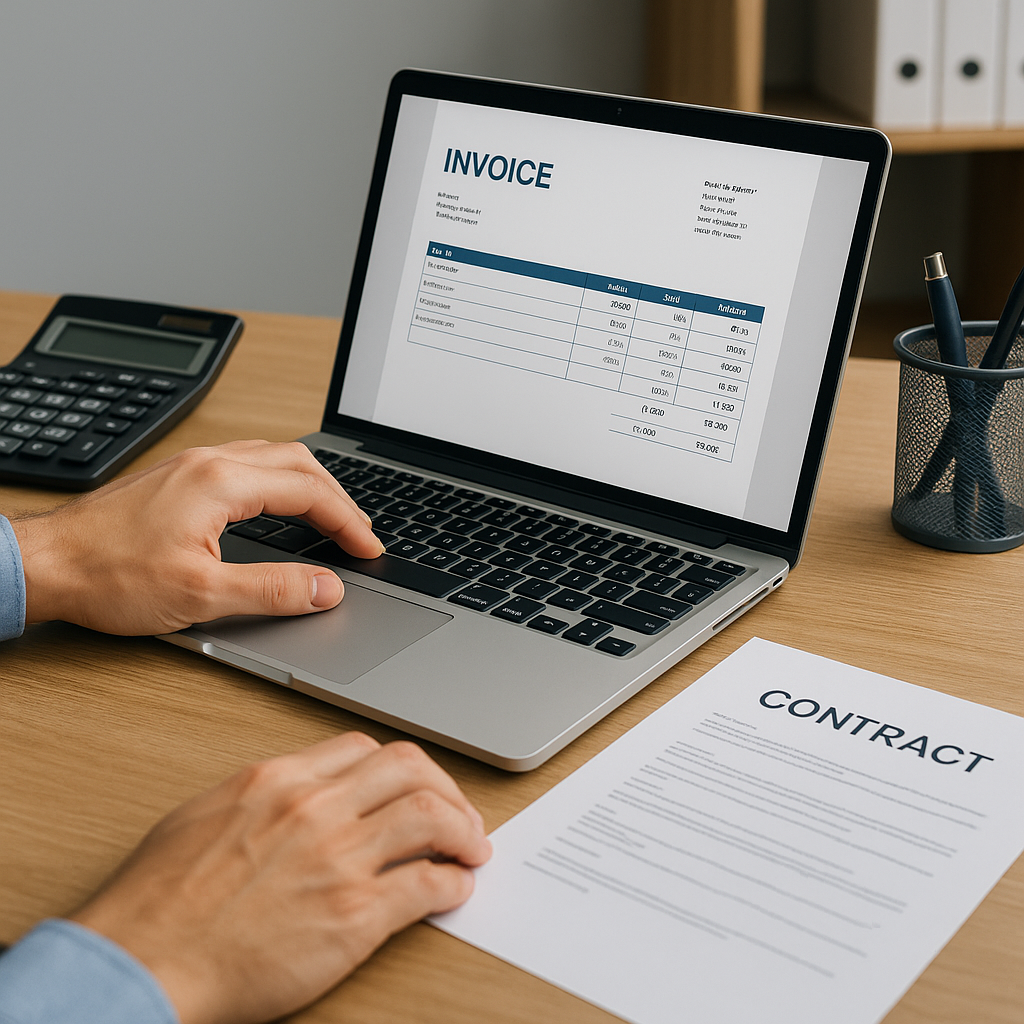
For many UK business owners, invoicing starts long before an invoice is actually raised. It begins with the contract: agreed rates, payment milestones, billing dates, deposits, and any ongoing charges. When those details are copied over manually each time, mistakes can creep in, time is lost, and cashflow can become harder to manage.
Automating invoice creation from contracts helps reduce admin, improve consistency, and make sure nothing is missed. It can also support better financial organisation, especially during the busy summer period when holiday cover, project deadlines and seasonal costs can put extra pressure on your team.
At Assured Bills, we understand how important it is for businesses to stay on top of bills, payments and invoice processes with clear, reliable systems.
What does it mean to automate invoice creation from contracts?
In simple terms, it means using software or a connected workflow to turn agreed contract terms into invoices automatically, rather than typing them out manually each time.
This could include:
- generating recurring invoices from ongoing service agreements
- creating staged invoices based on project milestones
- pulling through payment terms, client details and pricing automatically
- setting reminders for invoice dates and due dates
- linking invoices with secure online payment options
Instead of relying on someone to read each contract and create every invoice from scratch, the process is built once and then repeated accurately.
Why businesses benefit from contract-based invoice automation
Manual invoicing often works at first, but as a business grows, the risks become more obvious. A missed billing date, wrong amount or outdated contract rate can quickly affect cashflow.
Better accuracy and consistency
When invoice details come directly from contract information, there is less chance of human error. That means fewer disputes, fewer corrections, and a more professional experience for your customers.
Stronger cashflow planning
Automated invoice creation gives you a clearer picture of what should be billed and when. This makes budgeting and cashflow planning easier, particularly in June and throughout summer, when staffing changes and holiday absences can interrupt normal admin routines.
Less admin for your team
Reducing repetitive data entry frees up time for more valuable work. It also means you are less dependent on one person remembering every contract renewal, billing milestone or monthly charge.
What information should be pulled from the contract?
To automate effectively, it helps to standardise the information included in your contracts. The clearer the source document, the smoother the invoicing process.
Key contract details to capture include:
- customer name and billing address
- purchase order or reference number
- agreed products or services
- pricing, rates or fixed fees
- VAT treatment
- invoice schedule or milestone dates
- payment terms
- renewal or end dates
If your contracts vary widely, it may be worth creating a standard contract template for repeatable work. This makes automation much easier and reduces the risk of billing inconsistencies.
Practical ways to automate invoice creation
There is no single approach that suits every business, but most setups follow a similar pattern.
Use invoicing software with recurring billing
If you provide ongoing services, recurring billing tools can automatically generate invoices based on the contract schedule. This is useful for retainers, maintenance agreements, support packages and subscription-style services.
Connect your contract and finance systems
Many businesses now connect their CRM, contract management platform or proposal software with accounting tools. This allows signed contract data to flow straight into the invoicing system without being re-entered.
This kind of integration can also help with:
- payment reminders
- automated payments
- tracking outstanding balances
- maintaining a clear audit trail
Set approval rules for exceptions
Automation does not have to mean removing oversight. A sensible setup will automatically create standard invoices while flagging unusual items for review, such as one-off extras, changes in scope or non-standard pricing.
That balance helps maintain control while still saving time.
Common mistakes to avoid
Even a well-designed automated process needs regular checks. A few simple safeguards can prevent bigger issues later.
Relying on poor contract data
If contract information is incomplete or inconsistent, automation will simply reproduce those errors faster. Clean, well-structured input matters.
Forgetting to review price changes
If rates change at renewal or after a supplier cost increase, your invoicing rules should be updated promptly. This is especially important for businesses managing fluctuating material or service costs.
Ignoring payment workflows
Creating invoices automatically is only part of the picture. It also helps to have payment reminders, secure online payments and a clear process for tracking what has and has not been paid.
For businesses looking to improve wider bill control and payment visibility, our business bill management services can support a more organised approach.
How invoice automation supports wider financial control
Automating invoice creation is not just about speed. It can improve how your business manages monthly finances overall.
When invoicing is tied closely to contracts, you gain:
- better visibility over expected income
- more reliable month-end processes
- fewer missed billing opportunities
- simpler forecasting for upcoming expenses
- a stronger foundation for budgeting decisions
This can be particularly helpful for UK businesses dealing with higher summer overheads, including cooling costs, temporary cover and seasonal project activity. When money in and money out are both easier to track, decision-making becomes more confident and less reactive.
If you are also reviewing how incoming supplier invoices are checked and managed, our contact page is a good place to start a conversation about your current process.
Getting started with a simple automation plan
You do not need to automate everything at once. A practical first step is to identify the contracts that generate the most repeat invoicing work.
Start by asking:
- Which invoices are created regularly from the same terms?
- Where do billing mistakes happen most often?
- Which contract details are currently retyped by hand?
- What reminders or approvals should stay in place?
From there, you can build a process that improves efficiency without losing control.
Final thoughts
Learning how to automate invoice creation from contracts can help your business save time, reduce billing errors and improve cashflow visibility. The key is to combine clear contract data, sensible workflows and the right level of oversight.
For business owners who want a more reliable way to stay on top of invoicing, bills and payment processes, Assured Bills offers practical support designed to make financial admin simpler and more manageable. Get in touch to see how we can help you build a more organised billing system.