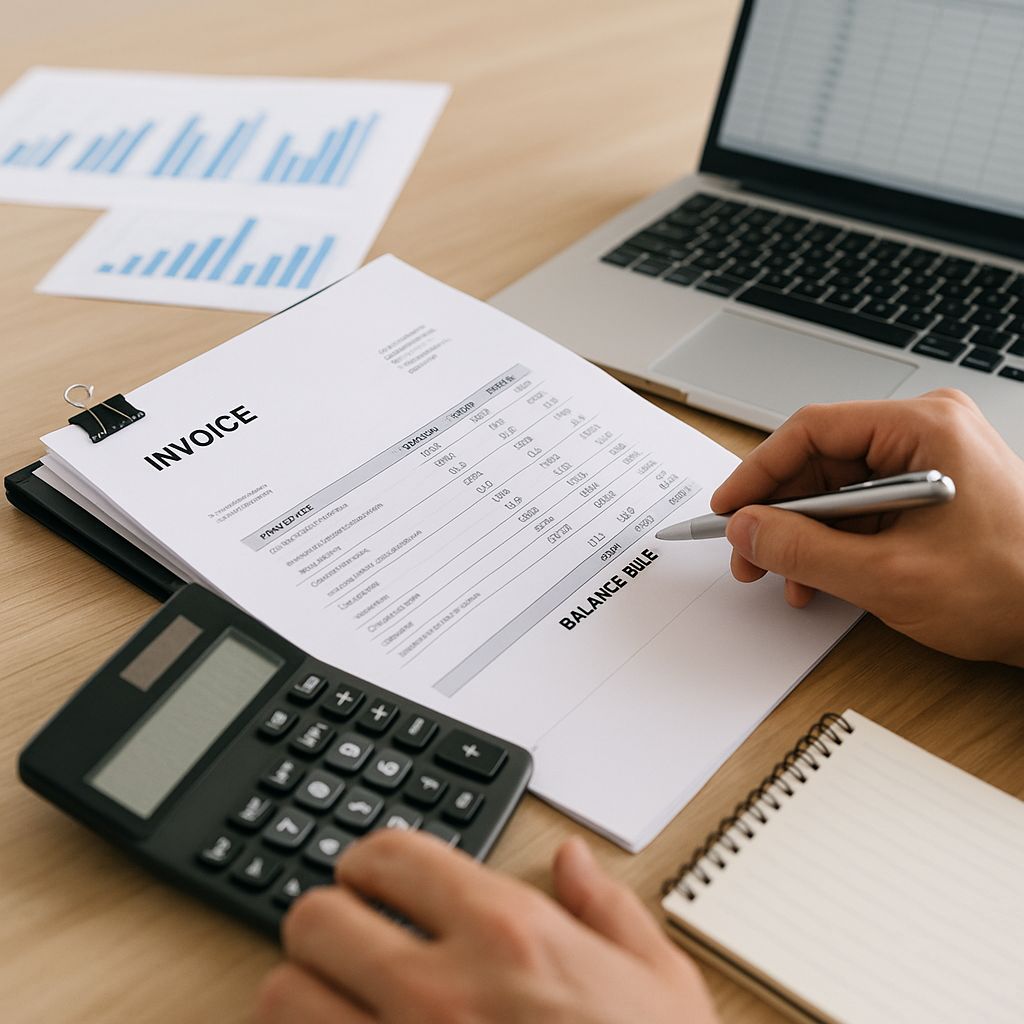
Keeping on top of invoice payments is essential for any business owner. When payments are tracked properly and accounts are reconciled regularly, it becomes much easier to protect cashflow, avoid missed issues and keep financial records accurate. In June, when many UK businesses are managing holiday cover, seasonal projects and changing supplier costs, a clear process matters even more.
For businesses dealing with regular supplier invoices, payment schedules and rising summer overheads, good tracking is not just an administrative task. It is a practical way to stay organised, avoid late fees and make confident day-to-day decisions.
Why invoice payment tracking matters
Tracking invoice payments gives you a clearer picture of what has been billed, what has been paid and what still needs attention. Without a reliable system, it is easy for duplicate payments, missed due dates or unexplained billing differences to slip through.
A strong process helps you:
- monitor outgoing payments in real time
- avoid paying the same invoice twice
- identify overdue or unpaid items quickly
- support budgeting and cashflow planning
- maintain accurate records for month-end reviews
- spot unusual changes in supplier billing
This is particularly useful in summer, when staffing gaps and annual leave can interrupt normal finance routines. A simple, consistent approach can reduce pressure and help your business stay in control.
What to include in your invoice tracking process
A good invoice tracking system does not need to be complicated, but it does need to be consistent. Whether you manage ten invoices a month or hundreds, the key is to record the right information from the start.
Key details to record
For each invoice, track:
- supplier name
- invoice number
- invoice date
- due date
- amount due
- VAT amount if applicable
- payment status
- payment date
- payment method
- any notes on disputes or price queries
This creates a reliable audit trail and makes account reconciliation much simpler later on.
Use clear payment statuses
It helps to label each invoice with a straightforward status such as:
- pending approval
- scheduled for payment
- paid
- partially paid
- on hold
- queried
These labels make it easier to see what action is needed and help prevent confusion when more than one person is involved in bill management.
How to reconcile accounts properly
Account reconciliation means checking your internal invoice records against bank transactions and supplier statements to make sure everything matches. This process helps confirm that payments have gone where they should, for the correct amounts, and that no invoice has been missed or overpaid.
A simple reconciliation workflow
A practical reconciliation routine for business owners looks like this:
1. Gather your records
Bring together your invoice list, supplier statements, bank transactions and any payment confirmations. If your records are spread across inboxes, spreadsheets and paper files, reconciliation will take longer and errors are easier to miss.
2. Match invoices to payments
Check each invoice against the corresponding payment in your bank account. Confirm:
- the amount matches
- the supplier matches
- the payment date is correct
- the invoice has not been paid twice
3. Investigate differences
If something does not line up, review it straight away. Common issues include pricing changes, credit notes not applied, duplicate invoices, partial payments or incorrect references.
4. Update your records
Once matched, mark the invoice as paid and note the payment date. If there is a discrepancy, flag it clearly so it is not overlooked at the next review.
5. Repeat on a schedule
Weekly or fortnightly reconciliation is often more manageable than leaving everything until month end. Regular reviews also support better financial organisation and reduce the risk of surprises.
Common problems businesses should watch for
Even well-run businesses can run into avoidable invoice payment issues. Some of the most common are:
- duplicate supplier invoices
- sudden price increases not noticed before payment
- missed due dates during staff holidays
- incomplete records causing confusion at month end
- bank payments that do not clearly match invoice references
This is where automation can help. Tools that support bill payment reminders, automated payments and invoice checking can reduce manual effort while keeping proper controls in place.
For example, Assured Bills helps businesses review supplier invoices more efficiently, making it easier to spot billing issues before payment and maintain better visibility over recurring costs. If you are looking to improve your process, you can explore our bill management services.
Tips for staying on top of payments in summer
The summer period can create extra pressure on cashflow. Cooling costs may rise, project spending can increase and holiday cover may mean finance tasks are shared between team members. To keep invoice payment tracking on course:
- set automated reminders for payment dates
- review supplier invoices before authorising payment
- keep a shared, up-to-date payment tracker
- reconcile bank transactions weekly
- flag unexpected cost changes immediately
- make sure secure online payments are used consistently
If your business works with multiple recurring suppliers, consolidating bills into one clear view can also make monthly expense tracking much easier.
Build a more reliable process
Tracking invoice payments and reconciling accounts is not just about tidy paperwork. It is about protecting your business from avoidable errors, supporting cashflow planning and giving you confidence that your records reflect reality.
A clear system, backed by the right financial organisation tools, can save time and reduce stress, especially during busy seasonal periods. If you would like support improving how your business checks invoices and manages supplier billing, visit our contact page to speak with Assured Bills.