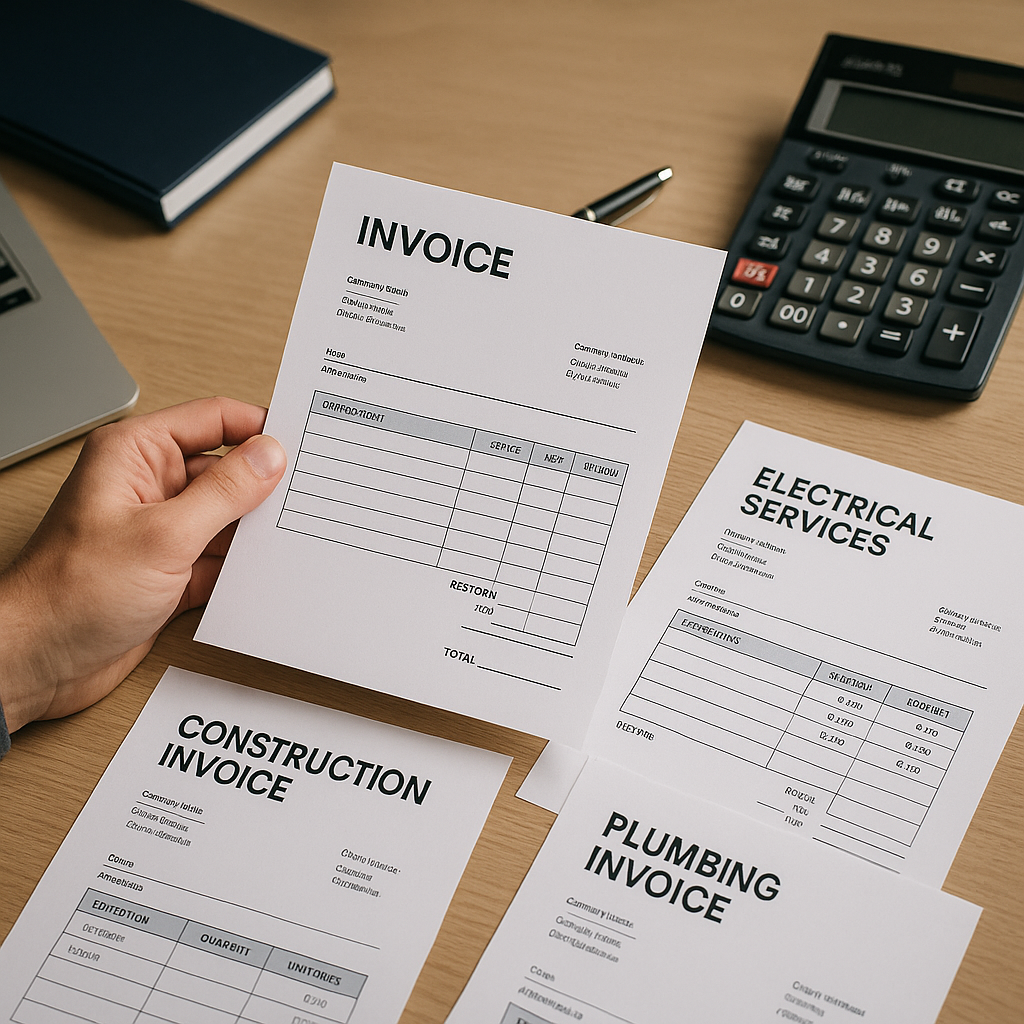
For UK trade businesses, a generic invoice often creates avoidable delays. If your paperwork does not clearly reflect the job, materials, labour and agreed terms, it becomes harder for customers to approve and pay quickly. That is why invoice templates for specific trades matter.
Whether you run a plumbing firm, heating business or multi-trade operation, the right format helps you stay professional, reduce disputes and keep cash flowing. It also gives you tighter control over costs, which is vital when material prices can vary sharply between suppliers.
At Assured Bills, we know that strong invoicing is only one part of protecting margin. The other is making sure the supplier prices behind those invoices are accurate, competitive and transparent.
Why trade-specific invoice templates work better
Different trades bill in different ways. A plumber may need to break down emergency call-out time, fittings and disposal charges. A heating contractor may need to show boiler-related components, commissioning stages or phased labour across a larger project. A purchasing manager may also want clearer links between quoted materials and what was actually supplied.
A trade-specific invoice template helps by:
- making the job description clearer
- showing labour and materials separately
- reducing back and forth with customers
- improving record keeping for tax and VAT
- supporting faster approval and payment
- giving better visibility of job profitability
In June, many UK trade firms are balancing outdoor works, planned upgrades and holiday cover. That means admin needs to be quick, consistent and easy for someone else in the business to pick up if a team member is away. A reliable invoice template makes that easier.
What every trade invoice template should include
No matter the trade, some basics should always be present. This is the foundation of professional invoicing.
Core details
Make sure your template includes:
- Your business name, address and contact details
- Invoice number and invoice date
- Customer name and service address
- Clear description of works completed
- Labour charges
- Materials supplied
- VAT details where applicable
- Total amount due
- Payment terms and due date
- Your bank payment details
Useful additions for stronger control
To reduce confusion and protect margin, many trade businesses also include:
- purchase order reference
- quote or estimate reference
- stage payment details
- call-out and attendance charges
- waste removal or delivery charges
- notes on exclusions or customer-supplied items
These additions are especially useful where multiple suppliers, deliveries and part orders are involved.
How invoice templates should differ by trade
The best invoice templates for specific trades are built around how the work is actually priced and delivered.
Plumbing invoice templates
A plumbing invoice template should make it easy to separate:
- diagnostic or call-out charge
- labour time
- pipework and fittings
- valves, taps or sanitaryware supplied
- emergency attendance, if relevant
- follow-on works required
This level of detail helps customers understand the bill, especially on reactive work where the scope may change once the issue is found.
Heating invoice templates
Heating jobs often involve higher-value materials and more complex supply chains. Your template should clearly list:
- system components supplied
- labour by visit or project stage
- removal of old parts or units
- controls, accessories and consumables
- warranty-related notes where relevant
For businesses trying to improve cost control, this clarity also makes it easier to compare what was invoiced to the client with what was charged by merchants and suppliers.
Multi-trade or commercial contractor templates
If you handle several services, use a template structure with adaptable line items. This allows you to standardise invoicing across the business while still being specific enough for each job.
For commercial clients, include reference fields for site contact, order number, project code and payment terms agreed at contract stage. Clear formatting can prevent delays in approval chains.
How better templates protect your profit
A smart invoice template does more than help you look professional. It can support better commercial decisions.
When labour, materials and extras are recorded properly, you can spot patterns such as:
- jobs where material costs keep creeping up
- suppliers whose pricing is inconsistent
- frequent undercharging on small items
- reduced margin on urgent or short-notice works
That matters in the current market. During summer, many UK firms are managing shifting schedules, merchant stock changes and price variation across common plumbing and heating materials. If you are not tracking costs properly, overpayment can slip through unnoticed.
This is where invoice checking and procurement visibility become valuable. Pairing clear customer invoices with better oversight of supplier pricing gives you far more control over margin.
Best practice for creating invoice templates that save time
If you want your invoicing process to stay efficient as the business grows, keep these principles in mind:
- Use plain, consistent descriptions for repeat work
- Keep labour and materials on separate lines
- Build templates for your most common job types
- Add space for order references and site details
- Include payment terms in every template
- Review whether your material pricing still reflects current costs
For trade firms that want tighter oversight, it also helps to combine invoicing discipline with a smarter buying process. Using a platform focused on price transparency can reduce waste before it reaches your customer invoice.
Bringing invoicing and purchasing together
Strong invoicing is only half the picture. You also need confidence that the costs behind each job are right.
If your business regularly buys heating and plumbing materials, smarter procurement can help you compare prices, manage supplier spend and avoid margin loss. That is especially important when teams are busy, cover is stretched and small errors can go unnoticed.
Assured Bills helps UK trade businesses strengthen control over material costs and avoid overpaying. You can learn more about the Assured Bills platform, or if you are ready to get started, create an account through the sign up page. Existing users can also access their account via the login page.
If you want clearer invoices and better control over what your business pays for supplies, Assured Bills is built to help you protect margin and save time.