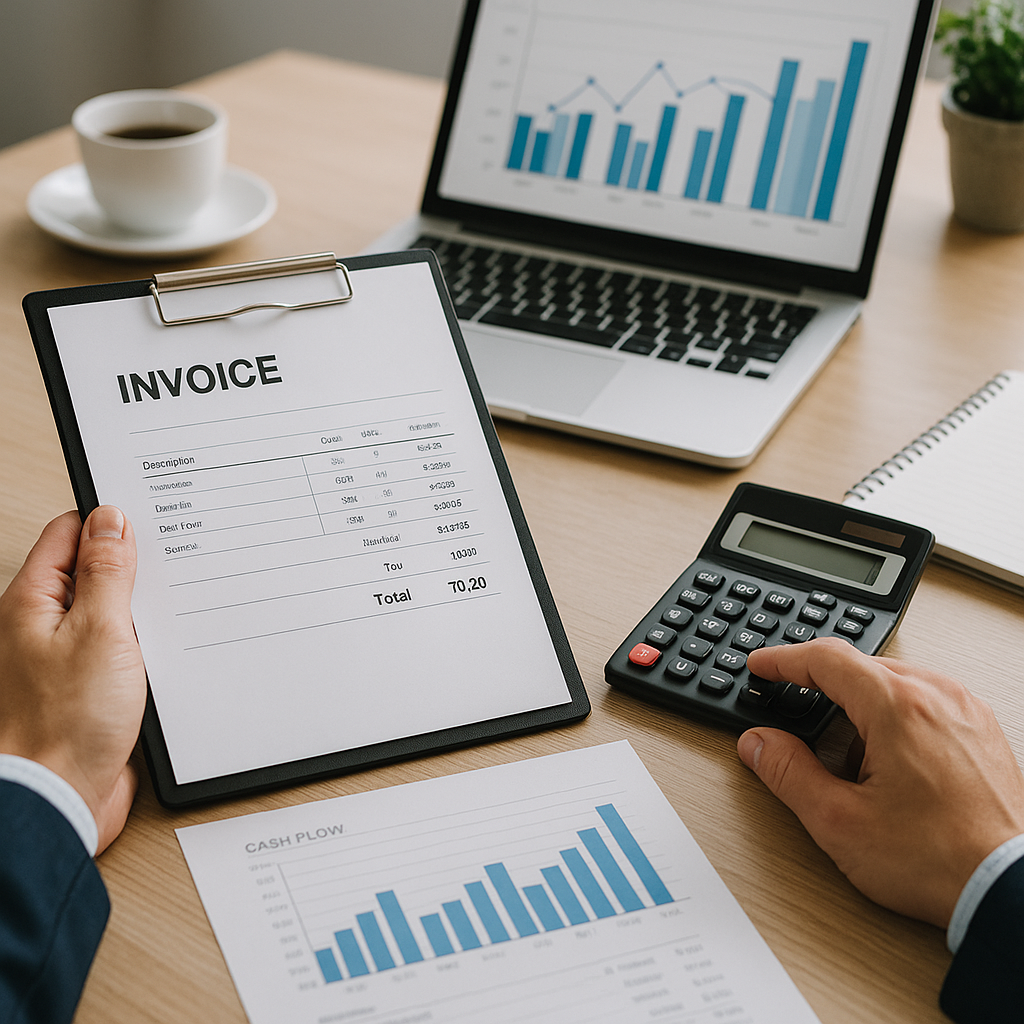
For plumbing and heating firms across the UK, cash flow is what keeps the business moving. You can be busy, profitable on paper, and still feel under pressure if money is slow to come in or too much goes out on materials. That is why understanding how invoicing affects cash flow matters.
Invoicing is not just admin. It directly influences when money lands in your account, how quickly you can pay suppliers, and whether you stay in control during busy summer periods when outdoor projects, holiday cover, and fluctuating material demand can all put pressure on working capital.
At the same time, outgoing supplier invoices matter just as much as the ones you send to customers. If you are overpaying for heating and plumbing materials, your margins can disappear before a client invoice is even paid. That is where tighter cost control and better invoice checking make a real difference.
Why invoicing has a direct impact on cash flow
Cash flow is the movement of money in and out of your business. In simple terms, invoicing affects the timing, accuracy, and reliability of that movement.
If customer invoices go out late, contain errors, or are hard to approve, payment is delayed. If supplier invoices include pricing discrepancies, duplicate charges, or unexpected increases, too much cash leaves the business. Both issues reduce financial control.
For trade businesses, that can lead to problems such as:
- delayed supplier payments
- less cash available for wages and subcontractors
- reduced ability to buy stock at the right time
- tighter margins on already competitive jobs
- more stress during seasonal peaks
In June, many UK contractors are balancing ongoing installs, maintenance work, and staff holidays. Even a short delay in payment or an unnoticed overcharge on materials can create a knock-on effect.
The two sides of invoicing and cash flow
Most businesses think about invoicing only in terms of getting paid by customers. That is important, but it is only half the picture.
Money coming in
When you raise invoices promptly and accurately, you improve your chances of getting paid on time. Good invoicing supports cash flow by helping you:
- bill work as soon as it is completed
- reduce disputes caused by missing details
- make payment terms clear from the start
- keep track of outstanding amounts
- forecast incoming cash more confidently
A slow invoicing process often means a slow payment cycle. If you wait several days after finishing a job before sending the invoice, you are already extending your own cash gap.
Money going out
Outgoing invoices from merchants and suppliers also affect your cash position. This is especially important for plumbing and heating businesses buying materials regularly across multiple jobs.
If you are not checking invoices carefully, you may be paying more than expected for core items, accepting inconsistent pricing between suppliers, or missing credits that should have been applied. Over time, that drains cash and reduces profit.
This is where smart procurement and price transparency become valuable. With better visibility on what you are being charged, you can make stronger buying decisions and avoid wasteful spending.
Common invoicing issues that weaken cash flow
Even well-run firms can lose control if invoicing processes are inconsistent. Watch out for these common problems:
Late invoice creation
If invoices are sent days or weeks after work is completed, payment naturally slips back.
Missing or unclear information
Wrong dates, vague descriptions, incorrect purchase order details, or missing totals can all cause payment delays.
Poor supplier invoice checks
Without reviewing material invoices properly, overcharges can pass through unnoticed.
No clear view of pricing trends
If supplier prices rise gradually across the summer, it is easy to absorb those increases without realising how much margin is being lost.
Disconnected systems
When job records, supplier bills, and customer invoices are spread across emails, paper, and spreadsheets, it becomes harder to keep cash flow under control.
How to improve cash flow through better invoicing
The good news is that small process improvements can have a strong impact.
Tighten the way you send customer invoices
Make sure invoices go out quickly, include the right job details, and clearly state payment terms. A standard process helps reduce delays and improves consistency across the business.
Check supplier invoices with more discipline
Review invoices against agreed prices, delivery notes, and previous orders. This is particularly important when buying heating and plumbing supplies for professionals across several merchants.
Use technology to reduce manual checking
Manual reviews take time and can miss patterns. Using a digital platform can help you analyse pricing, flag anomalies, and improve cost comparison for heating and plumbing materials without adding more admin.
Build better visibility over spend
The more clearly you can see what is being invoiced in and out, the easier it is to protect margins and plan cash needs.
For example, using a platform focused on trade purchasing tools and platforms can help you spot where costs are creeping up and where supplier management needs tightening.
Why this matters for growing trade businesses
As your business grows, invoicing becomes more than a bookkeeping task. It becomes part of commercial control.
A firm that invoices customers efficiently, checks supplier bills carefully, and keeps a close eye on material costs is in a stronger position to:
- protect margin on every job
- reduce overpayment on supplies
- improve short-term cash availability
- make better decisions on suppliers and orders
- stay resilient during seasonal changes
That matters in the current UK market, where material price pressure and tight competition can quickly affect profit.
Assured Bills is built for businesses that want more control over purchasing and supplier pricing, without wasting hours on manual checks. If you want to reduce overpayment, improve visibility, and support healthier cash flow, take a look at Assured Bills, or get started through the sign up page. If you already have an account, you can access the login page and start reviewing your costs with more confidence today.