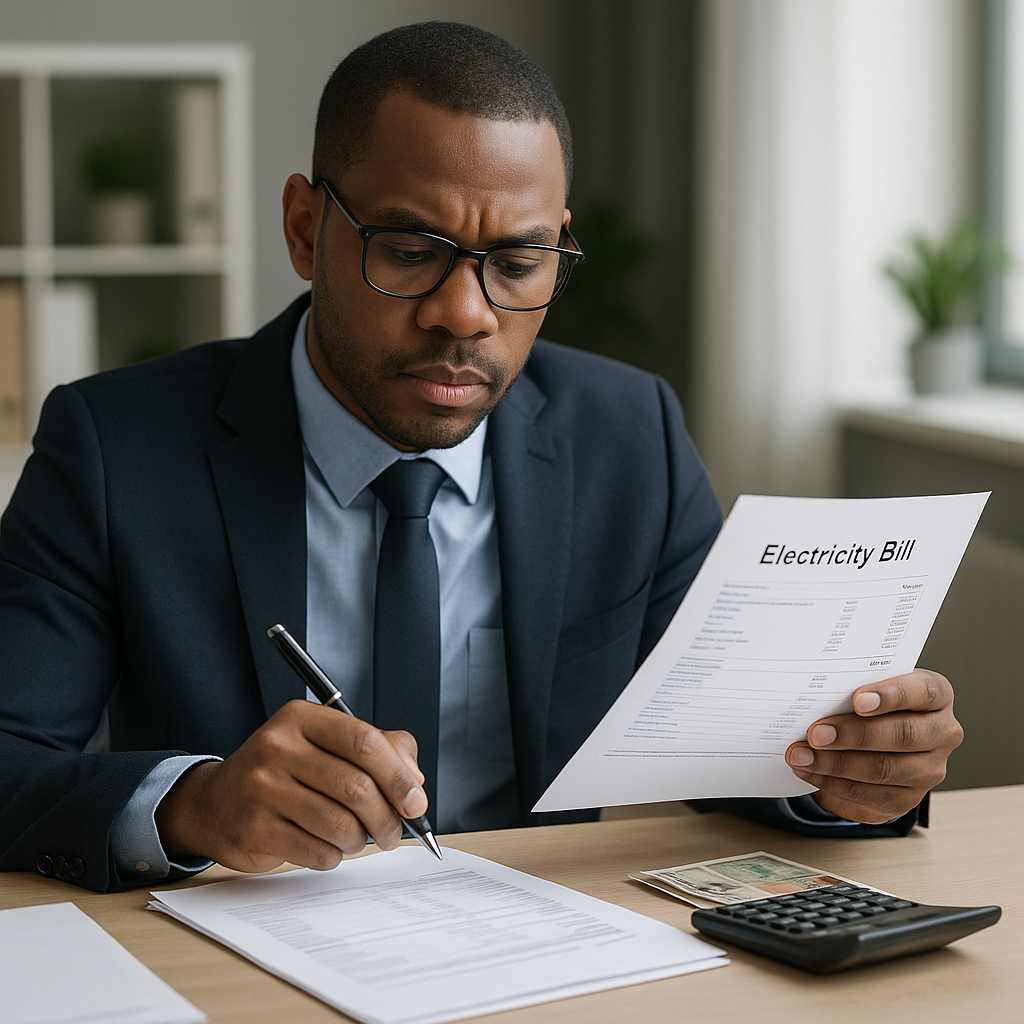
If you buy heating and plumbing materials regularly, there is a good chance money is slipping out of your business in small amounts every week. One valve here, one fitting there, a slightly higher boiler component price on the next order. On their own, these differences may not look serious. Over a busy autumn period, they can quietly damage your margin.
That is exactly why the Assured Bills Challenge exists. It gives plumbing and heating professionals a straightforward way to see whether they are paying more than they should for the materials they buy every day.
For UK trade businesses heading into September and the colder months, this matters even more. Demand rises, ordering speeds up, and teams often default to familiar buying habits. That is usually when overpayment becomes harder to spot and more expensive to ignore.
What is the Assured Bills Challenge?
The Assured Bills Challenge is a simple test. You take a recent supplier invoice, check the pricing against what else is available in the market, and identify whether your business is overpaying on common heating and plumbing materials.
With Assured Bills, that process is faster and more consistent. Instead of relying on guesswork or manual checking, trade businesses can use a smarter approach to invoice review and price comparison.
This is not about chasing the cheapest product at any cost. It is about gaining price transparency, improving buying control, and protecting profit on every job.
Why overpaying is so easy in trade purchasing
Busy contractors and purchasing teams are under pressure to keep jobs moving. When September arrives and winter-readiness work increases, speed often takes priority over scrutiny. That is understandable, but it creates risk.
Common reasons trade firms pay more than they need to
- Orders are placed with the same supplier out of habit
- Different team members buy the same item at different prices
- Invoice line items are not checked closely enough
- Supplier pricing changes between branches or over time
- Urgent buying leads to poor price visibility
- Credits, discounts or agreed rates are not always reflected properly
None of this means your supplier is doing anything wrong. It means your business needs better visibility. Small leaks in purchasing control can add up quickly, especially across larger material volumes.
How to run your own challenge this autumn
You do not need a complicated finance process to start. The goal is to test whether your current buying pattern is helping or hurting your margin.
Step 1: Pick a recent invoice
Choose a recent invoice with a fair mix of everyday materials. Focus on products you buy often, such as controls, fittings, copper, valves, pumps or boiler-related parts.
Step 2: Review line-by-line pricing
Look beyond the total. A high overall discount does not always mean every line is competitive. One expensive item can wipe out savings elsewhere.
Step 3: Check for inconsistencies
Compare similar invoices from different dates, branches or team members. If the same item appears at different prices, that is worth investigating.
Step 4: Measure the impact
Work out the difference between what you paid and what you could reasonably have paid. Then multiply that by your monthly or quarterly buying volume.
Step 5: Put a repeatable system in place
One-off checks are useful. Regular checks are where the real savings come from. That is where digital tools and automated invoice checking can make a major difference.
What a better checking process gives your business
Trade firms do not just need lower prices. They need a process that saves time, supports decision-making, and keeps purchasing under control.
A stronger invoice and pricing review process can help you:
- Reduce overpayment on repeat purchases
- Improve job margin without increasing sales
- Spot pricing errors earlier
- Keep supplier conversations fact-based
- Save admin time for owners, buyers and office teams
- Build more consistent purchasing across your business
This is especially valuable in autumn, when heating and plumbing businesses often see increased callouts, repair work and installation demand before winter fully arrives.
Why ServiceM8 users should pay attention
If your business already uses ServiceM8 to manage jobs, quotes and workflow, linking better purchasing checks to that process makes commercial sense. ServiceM8 helps you stay organised on the operational side. Assured Bills helps you stay sharper on the buying side.
Together, that means better visibility over what is happening from job booking through to material purchasing. You can manage jobs efficiently while keeping a closer eye on whether supplier pricing is supporting your margin.
For growing trade businesses, this matters because profit is not just won on the tools. It is protected in the systems behind the job.
If you are reviewing how your business handles cost control this season, start with the Assured Bills platform. If you are ready to test invoices and see what your current buying habits are really costing, you can also sign up for Assured Bills.
The real question is not whether prices vary
Everyone in the trade knows prices move. The real question is whether you can see those changes clearly enough to act on them.
That is what makes the Assured Bills Challenge useful. It turns a vague suspicion into something measurable. Instead of assuming your pricing is fine, you can test it. Instead of accepting supplier costs at face value, you can review them with more confidence.
For plumbing and heating professionals across the UK, especially during the busy run-up to winter, that level of control can make a real difference to profitability.
Take the challenge and see the numbers for yourself
If you have ever wondered whether your business is paying more than it should for heating and plumbing materials, now is the right time to find out. September is ideal for tightening up purchasing before autumn demand fully peaks.
Assured Bills gives you a practical way to check invoices, compare costs and reduce wasteful spending. Take the challenge, review a recent bill, and see how much overpayment you can uncover with Assured Bills.