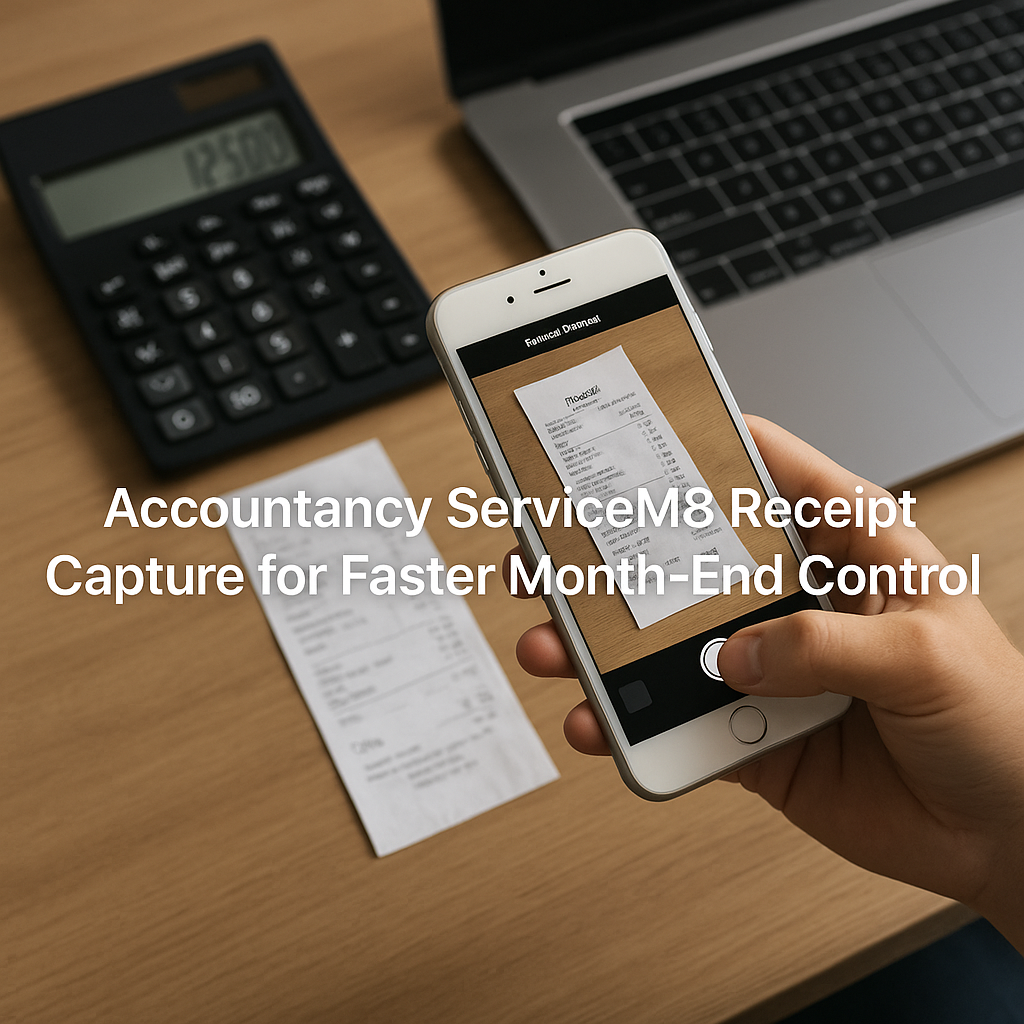
September is when many plumbing and heating firms start feeling the pace pick up. Quieter summer gaps disappear, winter preparation begins, and more jobs mean more supplier receipts, card payments and last-minute branch collections to keep track of. If those records are scattered across vans, inboxes and pockets, month-end becomes slow, messy and expensive.
For UK trade businesses, better receipt capture is not just an admin tidy-up. It is a practical way to protect margin, improve price transparency and stop overpayments slipping through. When ServiceM8 workflows are backed by a proper checking process, your purchasing records become clearer and your cost control gets tighter.
That is where Assured Bills adds value. By helping firms review invoice and material pricing data with AI-led checking, it becomes easier to spot mismatches, question unusual charges and keep supplier paperwork aligned with what was actually bought.
Why receipt capture matters more in September
As autumn starts, plumbing and heating contractors often face a familiar mix of pressures. Heating demand starts to rise, emergency call-outs increase, and teams buy more materials across multiple merchants. That usually creates more low-value purchases, more duplicated items and more chances for costs to drift.
If receipts are not captured properly at the point of purchase, problems show up later:
- missing proof of purchase for materials
- delayed job costing
- supplier invoices that are harder to verify
- VAT records that take longer to prepare
- disputes over who bought what, where and why
- avoidable pressure on cash flow at month-end
For firms that want tighter control before the colder months arrive, a cleaner process now can make the whole autumn and winter period easier to manage.
How ServiceM8 can support cleaner purchasing records
ServiceM8 is widely used by trade businesses because it helps link operational work with office processes. When purchase information and job records sit closer together, there is less reliance on memory, paper trails and end-of-month chasing.
A stronger link between the field and the office
When engineers and installers capture receipts against the right job quickly, the office gets a clearer view of real material spend. That matters when you are reviewing margins, checking supplier pricing and understanding whether a job was actually profitable.
Instead of waiting for paperwork to come back days later, you can build a process where buying data is logged while the details are still fresh. That is especially useful in September, when firms begin taking on more heating-related work and material volumes increase.
Better visibility for cost control
Receipt capture alone does not prevent overcharging, but it does create the audit trail needed to check costs properly. Once purchase evidence is stored consistently, you are in a stronger position to compare supplier charges, query price changes and identify repeat overpayment.
This is particularly valuable for companies focused on heating and plumbing supplies for professionals, where even small price differences across common items can add up quickly over a busy season.
What a good receipt capture process should include
If you want ServiceM8-linked processes to support stronger buying control, keep it simple and repeatable. A good setup should help your team act quickly without creating extra admin.
Practical steps to put in place
- Ask engineers to upload every merchant receipt on the same day.
- Link each receipt to the correct job, customer or internal cost code.
- Record the supplier name clearly and consistently.
- Flag any handwritten or unclear receipts for follow-up straight away.
- Match captured receipts against later invoices from suppliers.
- Review repeated price differences on common stock and fast-moving items.
- Check whether card purchases outside normal buying routes are becoming routine.
This kind of discipline supports smarter procurement, cleaner supplier management and faster month-end reporting.
Where invoice checking adds the real value
Many businesses think the admin problem ends once a receipt is saved. In reality, the biggest savings often come from what happens next. Capturing a receipt is one thing, checking whether the final invoice is correct is another.
A supplier invoice may include pricing differences, quantity issues, credits not applied, or inconsistent product charges across branches. Without a quick checking process, those errors are easy to miss.
That is why firms looking for stronger controls are turning to tools that reduce manual checking time. Assured Bills helps trade businesses review invoices more efficiently, so they can focus on exceptions rather than trawling through every line manually. If your team currently relies on a bookkeeper or office manager to spot every issue by eye, that approach can become a bottleneck during busy periods.
For businesses also searching more broadly for support such as cloud accountants in Essex, bookkeeping services in Essex, or even an outsourced finance department in Essex, the key lesson is the same. Clean purchase data at source makes every downstream finance task easier, from VAT prep to cash flow planning.
Why this matters for growing trade firms
Whether you are a small installation business or a larger operation with multiple buyers, stronger receipt capture creates practical benefits:
- faster month-end close
- clearer job costing
- fewer missed supplier discrepancies
- better margin protection
- stronger internal accountability
- less wasted office time
That can matter just as much as support from small business accountants in Essex or a tax advisor in Essex, because the quality of your records affects every financial decision that follows.
Take control before winter buying ramps up
September is the right time to tighten the basics. Before winter demand increases, make sure your business can capture receipts quickly, match them properly and check supplier charges with confidence. That gives you better control over spending and helps reduce wasteful overpayment before your busiest period begins.
If you want a smarter way to review invoice data and avoid paying more than you should for heating and plumbing materials, explore Assured Bills, see how to sign up for Assured Bills, or return to your Assured Bills login to start checking supplier costs more efficiently.