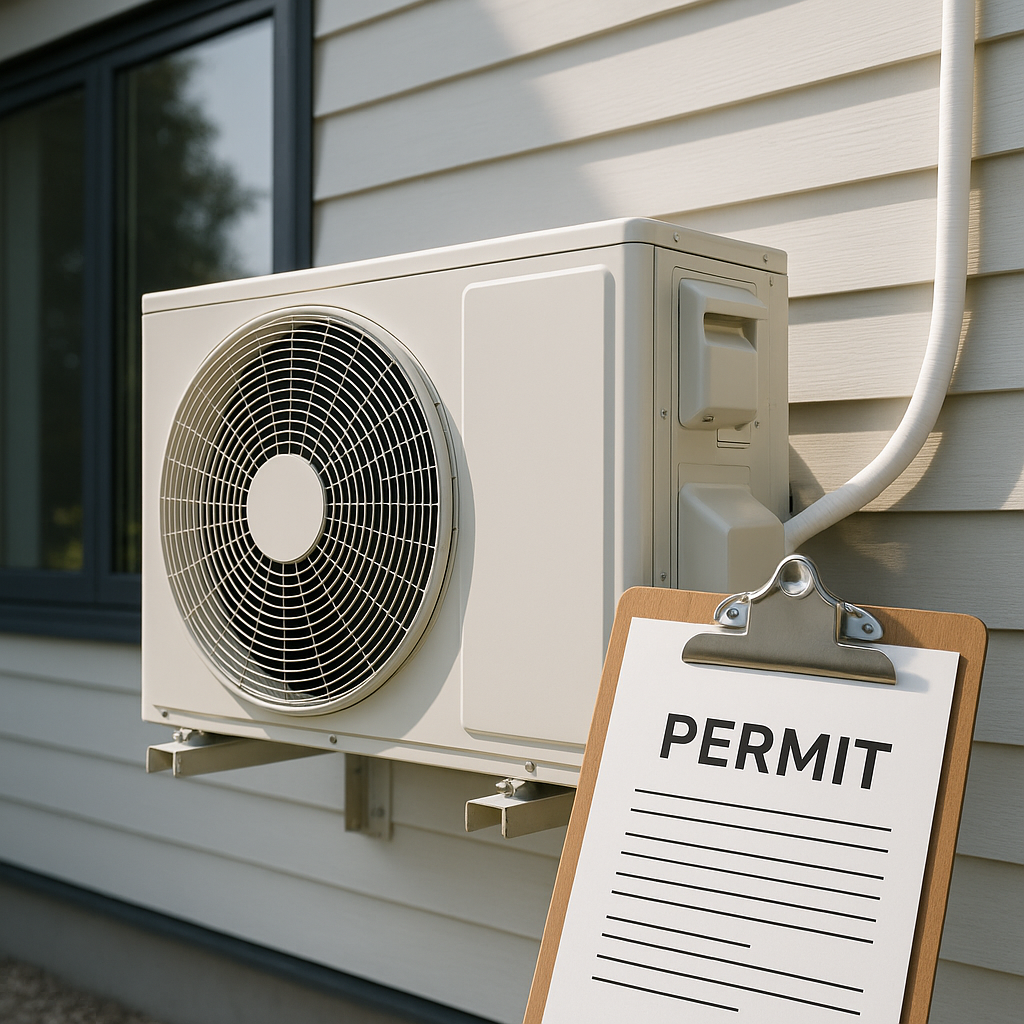
If you are thinking about having air conditioning fitted at home or in a small business, it is sensible to ask about permissions before work starts. In many cases, domestic air conditioning in Essex can be installed without a complicated approvals process. That said, some properties and locations do need extra checks, especially if the outdoor unit affects the look of the building or sits close to neighbours.
For homeowners in Chelmsford and across Essex, the best approach is simple. Check planning considerations early, choose an experienced installer, and make sure the system is fitted safely and correctly by an F-Gas compliant company.
Do you always need permission for air conditioning?
Not always. Many standard split-system installations at houses fall under permitted development, which means formal planning permission may not be required. However, that does not mean every property is automatically exempt.
Whether permission is needed can depend on:
- the type and size of the system
- where the outdoor condenser will be placed
- how visible the unit is from the road
- the likely noise impact on neighbouring properties
- whether the building is listed
- whether the property is in a conservation area
- whether the installation is for a home, shop, salon or office
This is one reason why working with a professional installer matters. At Assured Cooling Essex, practical site surveys help identify likely issues before installation day, which saves delays and avoids avoidable mistakes.
The main approvals to think about
When people ask about permits, they are often talking about a few different things. It helps to separate them.
1. Planning permission
Planning permission is the first thing most property owners think about. For a typical house in Chelmsford, a small domestic system may not need a formal planning application if it meets the relevant limits and is installed sensitively.
You may need planning approval if:
- your home is listed
- your property is in a conservation area and the external unit would affect the building's appearance
- the outdoor unit would be fitted on a prominent front elevation
- the proposed system is larger or more visually intrusive than normal domestic equipment
- you are installing air conditioning at commercial premises with specific planning restrictions
If you own a flat or leasehold property, there may also be extra conditions in your lease or management agreement.
2. Building regulations
In many straightforward cases, air conditioning does not involve a separate building notice in the way some larger building works do. Even so, the installation still needs to be carried out properly, safely and in line with current regulations.
This includes correct electrical work, suitable condensate drainage, safe mounting of indoor and outdoor units, and compliant refrigerant handling. A professional installer should understand these requirements and complete the work accordingly.
3. Landlord, freeholder or management approval
This is often overlooked. If you are a landlord, leaseholder, or business tenant, you may need written approval from the property owner, freeholder or managing agent before installation starts.
This is especially common in:
- flats and apartments
- managed developments
- office units
- retail premises
- salon and studio spaces
4. Listed building consent
If your property is listed, separate consent may be required, even for work that seems fairly modest. This is because external units, pipe routes and trunking can affect the character of the building.
In these situations, it is always best to check with the local authority before committing to the installation.
What about noise and neighbour concerns?
In June, when warmer weather arrives in Essex, many people start thinking about how to cool bedrooms, garden rooms and home offices without causing problems next door. Noise is one of the most important practical considerations.
Modern systems are generally far quieter than many people expect, especially when they are correctly sized and properly installed. Good unit placement also makes a big difference.
A sensible installer will consider:
- distance from neighbouring windows
- wall type and vibration control
- airflow around the outdoor unit
- practical servicing access
- appearance from shared spaces or public view
This matters not only for comfort, but also for avoiding complaints and reducing the chance of planning concerns.
Domestic and commercial installations are not always treated the same
For homeowners, the process is usually more straightforward. For shops, offices and other light commercial premises, there can be extra layers to think about, especially where signage, external alterations, lease conditions or building management rules apply.
If you manage a small commercial property in Chelmsford, it is worth checking permissions before the busy summer period. This is particularly important if you are arranging work while staff are away or trying to avoid disruption during warmer spells.
How to make the process easier
If you want air conditioning that is cheap to run and straightforward to install, early planning helps. A good installer should guide you through the practical side rather than leaving you to interpret technical rules on your own.
Here is a useful checklist:
- Confirm what type of property you have.
- Check if it is listed, leasehold, or in a conservation area.
- Think carefully about the best position for the outdoor unit.
- Ask whether landlord or management approval is needed.
- Choose an experienced, F-Gas registered installer.
- Arrange servicing to protect long-term performance.
For many households interested in VAT-free air conditioning in Essex, this early conversation is also the right time to ask whether the installation may qualify under current rules linked to energy-saving improvements. Eligibility depends on the property and circumstances, so it is worth discussing at survey stage.
Why professional advice matters
Rules can vary from one property to another, and the last thing you want is to arrange an installation only to discover the location or building status creates a problem. An experienced local company can usually spot likely issues early and advise on a practical solution.
That is particularly useful if your priority is air conditioning efficiency in Chelmsford, because the best-performing installation is not just about the unit itself. It also depends on sensible siting, tidy pipe runs, correct commissioning and long-term maintenance.
If you are exploring new air conditioning installations, looking at suitable air conditioning products, or planning ongoing maintenance and servicing, getting the basics right at the start will save time later.
Final thoughts
So, what permits do you need for AC installation? In Essex, the answer is often, not many, but it depends on your property, the unit location and whether there are planning or landlord restrictions. Most issues can be avoided with a proper survey and clear advice before work begins.
If you are considering home or commercial air conditioning this summer, Assured Cooling Essex can help you understand what is required and recommend a system that is efficient, reliable and suited to your space. Get in touch to arrange a site visit and straightforward guidance.