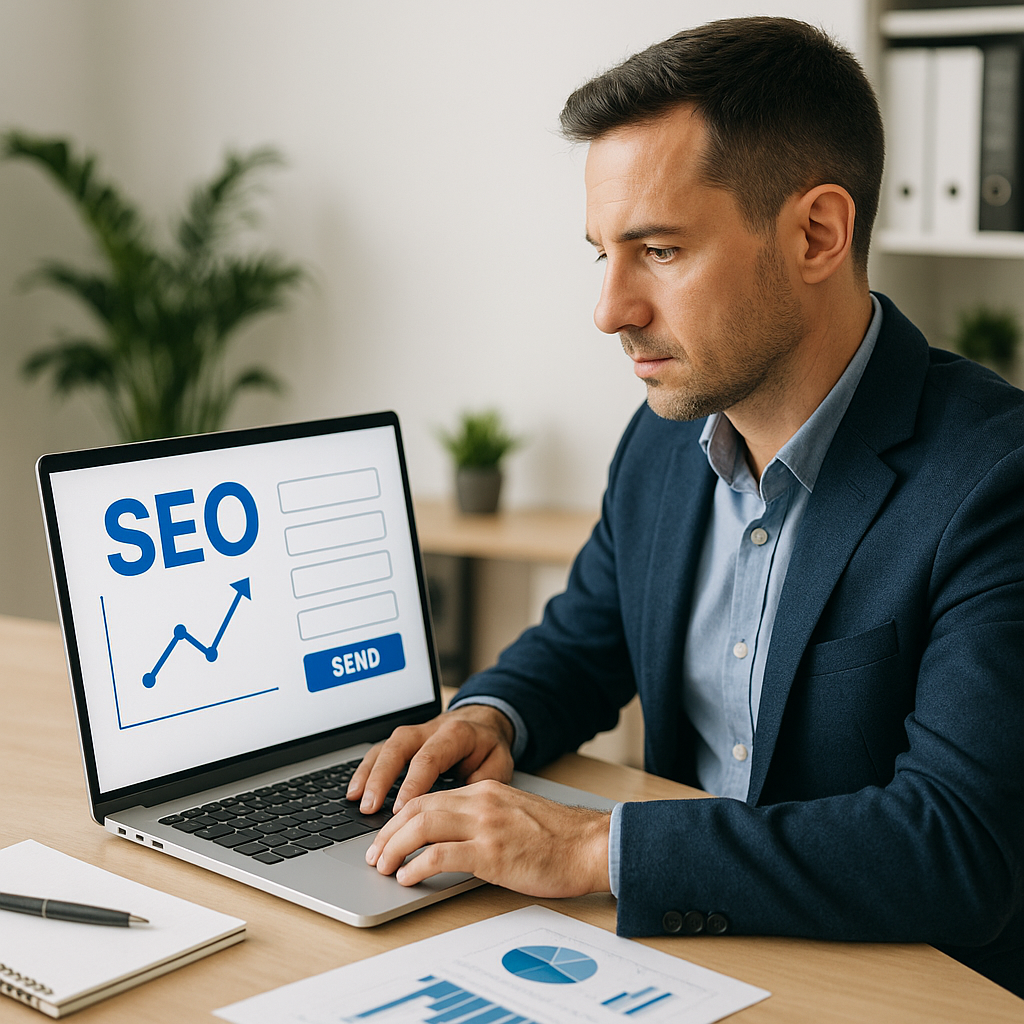
As October settles in across the UK, many businesses are sharpening their plans for the colder months. For service firms, B2B companies and online brands alike, this often means a stronger push to turn existing website traffic into real enquiries before year end. One area that is easy to overlook is the lead form itself.
If your organic traffic is steady but enquiries feel inconsistent, your forms may be creating unnecessary friction. Improving lead form completion is not just a conversion rate task. It also supports better SEO outcomes, because stronger user engagement, clearer page intent and more effective landing pages all help your wider search performance.
For businesses following practical advice from Assured SEO, October is a smart time to review how well your forms support users who are researching, comparing suppliers and preparing budgets before winter.
Why lead form completion matters for SEO
A form does not directly improve rankings on its own. However, it can strengthen the performance of SEO landing pages in several important ways.
First, pages that match search intent well are more likely to keep visitors engaged. If a user lands on a service page from Google and quickly understands what to do next, they are more likely to stay, read and enquire.
Second, stronger form completion helps you measure which pages are attracting qualified traffic. That gives you better data for content optimisation, keyword research and future page improvements.
Third, improving enquiry paths helps you get more value from your current organic visibility. In a competitive UK market, that can be more efficient than chasing extra traffic without fixing conversion bottlenecks.
Common reasons users abandon forms in October
Autumn often changes buyer behaviour. In October, many decision-makers are under pressure to solve problems before winter, secure remaining budget or line up support for the final quarter. That means they want fast, clear and low-friction experiences.
Here are some common reasons forms underperform:
- Too many required fields
- Vague calls to action
- Poor mobile usability
- Slow-loading pages
- Weak trust signals near the form
- Forms placed too low on the page
- No clear explanation of what happens after submission
- Asking for information that feels unnecessary at the first contact stage
If your website serves business owners or marketing managers, every extra step can reduce completions. This is especially true for users browsing between meetings or researching on mobile while travelling.
How to improve lead form completion without harming SEO
Reduce friction on high-intent pages
Start with your most important organic landing pages. These might include service pages, pricing-related content or blog posts that attract decision-stage traffic.
Review each form and ask:
- Do we need every field?
- Is the call to action specific and reassuring?
- Can the user understand the next step immediately?
- Does the page support the form with relevant, useful content?
For example, instead of a generic button such as "Submit", use wording that reflects intent, such as "Request an SEO review" or "Ask for a quote". Specific wording can improve clarity and encourage action.
Align forms with page intent
One of the most effective SEO conversion tips is to make sure the form matches the purpose of the page. A visitor reading an educational blog post may not be ready for a long consultation request form. A user on a pricing or contact-focused page may be.
If intent is mismatched, users hesitate. Keep blog article forms lighter, and make bottom-of-funnel forms more direct.
Strengthen trust signals nearby
Users are more likely to complete a form if the surrounding page shows credibility. Add supporting elements such as:
- Brief proof of expertise
- A short note on response times
- Testimonials or social proof
- Clear privacy reassurance
- Contact details for those who prefer another route
If you want to explore credibility cues further, you can review the feedback on the Assured SEO testimonials page.
Technical checks that support better form performance
Good technical SEO and conversion performance often work together. A few practical checks can make a meaningful difference.
Test forms on mobile devices
Many October searches happen on mobile, especially when users are researching suppliers quickly. Check that:
- Fields are easy to tap
- The keyboard type matches the input needed
- Error messages are clear
- Buttons remain visible and usable
- The form works properly on common screen sizes
Review page speed around form pages
If a page loads slowly, users may abandon it before they even reach the form. Look at your key service and enquiry pages in analytics and compare bounce or engagement patterns.
Confirm tracking is useful
Form performance should be measurable. Track submissions, partial completions where possible, and landing page sources. This helps you see whether your SEO lead generation strategy is attracting the right users and whether certain pages need refinement.
For ongoing ideas, the Assured SEO blog is a useful resource for practical search and performance guidance.
Quick October action plan for UK businesses
If you only have time for a short review this month, prioritise these steps:
- Identify your top organic landing pages with forms.
- Cut any unnecessary fields.
- Improve button copy and surrounding calls to action.
- Add a trust signal near each form.
- Test the full form journey on mobile.
- Check whether form submissions are being tracked accurately.
- Compare high-traffic pages against low-conversion pages for intent mismatch.
This is especially valuable in October, when businesses are often trying to secure leads before winter pressures increase and attention shifts to year-end priorities.
Final thought
SEO is not only about rankings. It is also about turning visibility into meaningful business outcomes. If your organic traffic is arriving but not converting, lead forms are one of the most practical places to look.
A simple, well-positioned and trustworthy form can help you capture more value from the traffic you already have. If you want expert support with content, search visibility and conversion-focused SEO improvements, get in touch with Assured SEO.