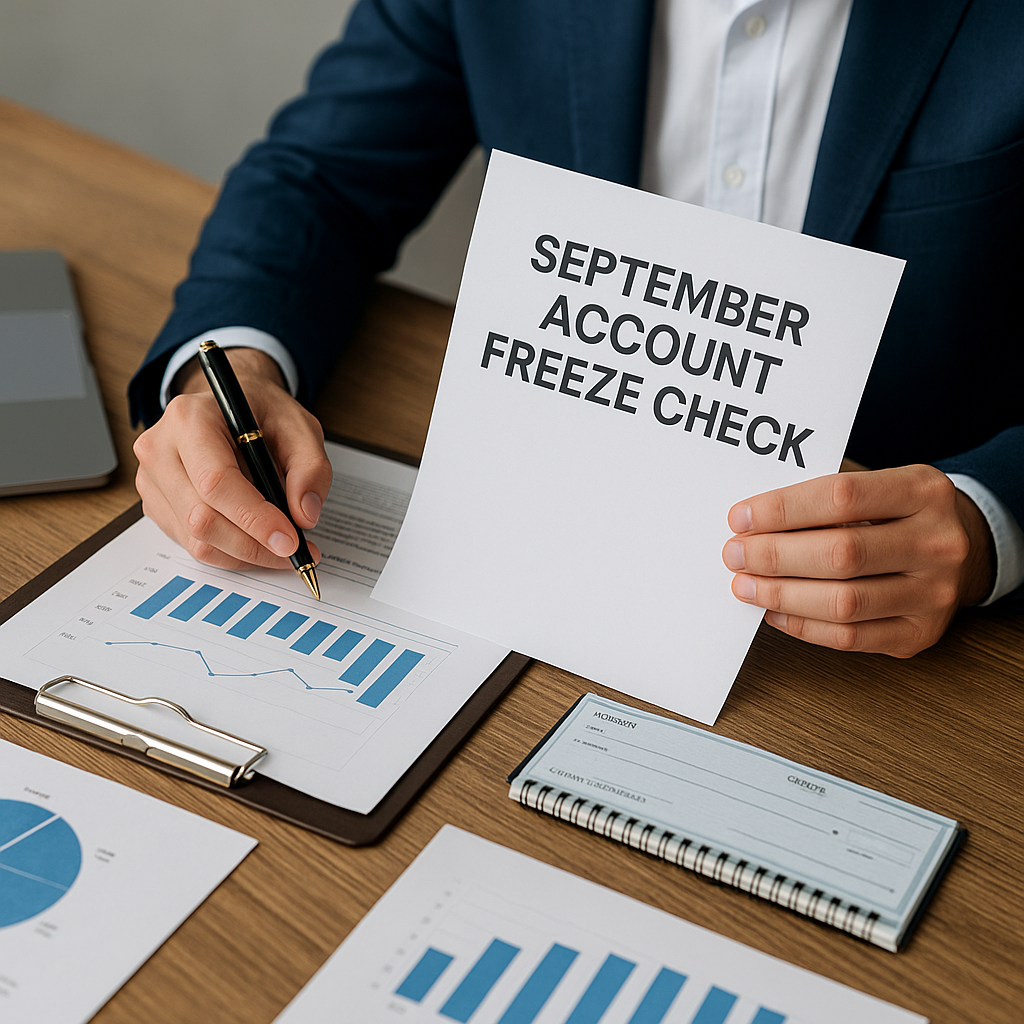
As September moves into cooler weather across the UK, many businesses begin tightening processes ahead of the final quarter. New customer volumes often rise before year end, and so does the risk of accounts that should never have been opened, reactivated or left unchanged. One practical control is an account freeze review.
An account freeze is not just a fraud response. It can also be a proportionate step when customer information is incomplete, affordability concerns emerge, or activity no longer matches the original application. For regulated firms, landlords, letting agents, lenders and subscription businesses, a clear review process can help reduce bad debt, limit fraud exposure and support more consistent decision-making.
For teams using platforms such as Check A Customer, September is a sensible point to review how and when accounts are paused, what evidence is required, and which risk signals should trigger further checks.
Why September is the right time to review frozen account processes
September sits at an important point in the trading calendar. Summer backlogs are ending, staff return patterns stabilise, and many businesses prepare for increased applications, winter-related demand and year-end pressure on household finances. In practice, that means customer circumstances can change quickly.
A customer who passed initial onboarding earlier in the year may now present a different risk picture. Equally, a previously low-risk account may start showing inconsistencies that warrant a temporary hold while checks are completed.
This is especially relevant in the UK where businesses must balance fraud prevention, fair treatment, data protection and proportionate risk controls. A poorly governed freeze process can create delays and complaints. A well-designed one can strengthen onboarding and ongoing monitoring without becoming intrusive.
What should trigger an account freeze review?
Not every concern should lead to an immediate suspension, but certain signals justify a structured reassessment. The key is to rely on documented criteria rather than assumptions.
Common risk indicators
Consider a review where you identify one or more of the following:
- identity details that cannot be verified through standard checks
- material differences between application data and supporting information
- signs of potential first-party fraud or misrepresentation
- affordability concerns linked to the level of service, credit or tenancy being requested
- failed payment patterns shortly after account opening
- unusual changes to contact details, bank information or account behaviour
- activity that may require enhanced KYC or AML scrutiny
- dormant accounts returning with higher-risk transaction patterns
These indicators do not automatically mean a customer is dishonest or will not pay. They are signs that more evidence may be needed before services continue, credit is extended or access is restored.
Apply a proportionate approach
A small balance subscription account will not always need the same controls as a high-value finance application or a tenancy decision. Your process should reflect risk level, sector requirements and the type of data you are entitled to use.
A practical September checklist for frozen or restricted accounts
If your business already freezes accounts from time to time, September is a good month to audit the process. Use this checklist:
- Review your trigger rules. Confirm the exact events that justify a temporary hold.
- Check your evidence standards. Make sure staff know what information can be requested and how it should be assessed.
- Re-test identity verification steps. Ensure your process still matches current fraud risks and onboarding volumes.
- Review affordability and credit checks. Check whether thresholds remain appropriate for current economic conditions.
- Update KYC and AML escalation routes. Higher-risk cases should move quickly to trained reviewers.
- Confirm GDPR controls. Restrict access to sensitive account information and retain data only for valid purposes.
- Set review timeframes. Frozen accounts should be assessed promptly, with clear ownership.
- Document outcomes. Record why an account was paused, what checks were completed and how the final decision was reached.
- Test customer communications. Messages should be clear, factual and not disclose unnecessary internal risk markers.
- Audit reactivation decisions. Make sure accounts are only restored once required checks are complete.
This kind of structured review helps reduce inconsistency, especially where multiple teams handle onboarding, support and collections.
Where businesses often get this wrong
A common mistake is freezing an account without a defined next step. That creates operational delay rather than genuine risk control. Another is relying too heavily on manual judgement without identity verification, credit data, affordability assessment or behavioural review.
Businesses can also expose themselves to complaints if they request excessive information or handle data without a clear lawful basis. UK organisations should keep processes relevant, proportionate and securely managed.
If your current controls are basic, start with stronger front-end verification and documented review rules. Even simple improvements can reduce avoidable losses and help staff identify which customers need extra scrutiny before further goods, services or credit are provided.
Building a safer review process before Q4
A good account freeze process supports more than fraud prevention. It helps protect revenue, reduces exposure to non-payment and improves confidence in customer onboarding decisions. That matters in September, when many UK businesses are preparing for a busier final quarter and customers may be under greater financial pressure as energy and household costs rise into autumn.
Using secure, consistent checks across identity, affordability and risk signals can help your team act earlier and with better evidence. If you are reviewing your September controls, start by tightening the points where customer information is captured, verified and reassessed.
Check A Customer supports UK businesses that need a more reliable way to verify customers, assess risk and strengthen account opening decisions. You can learn more on the Check A Customer homepage and review how your current process handles new applications, reactivations and higher-risk accounts before Q4 begins.