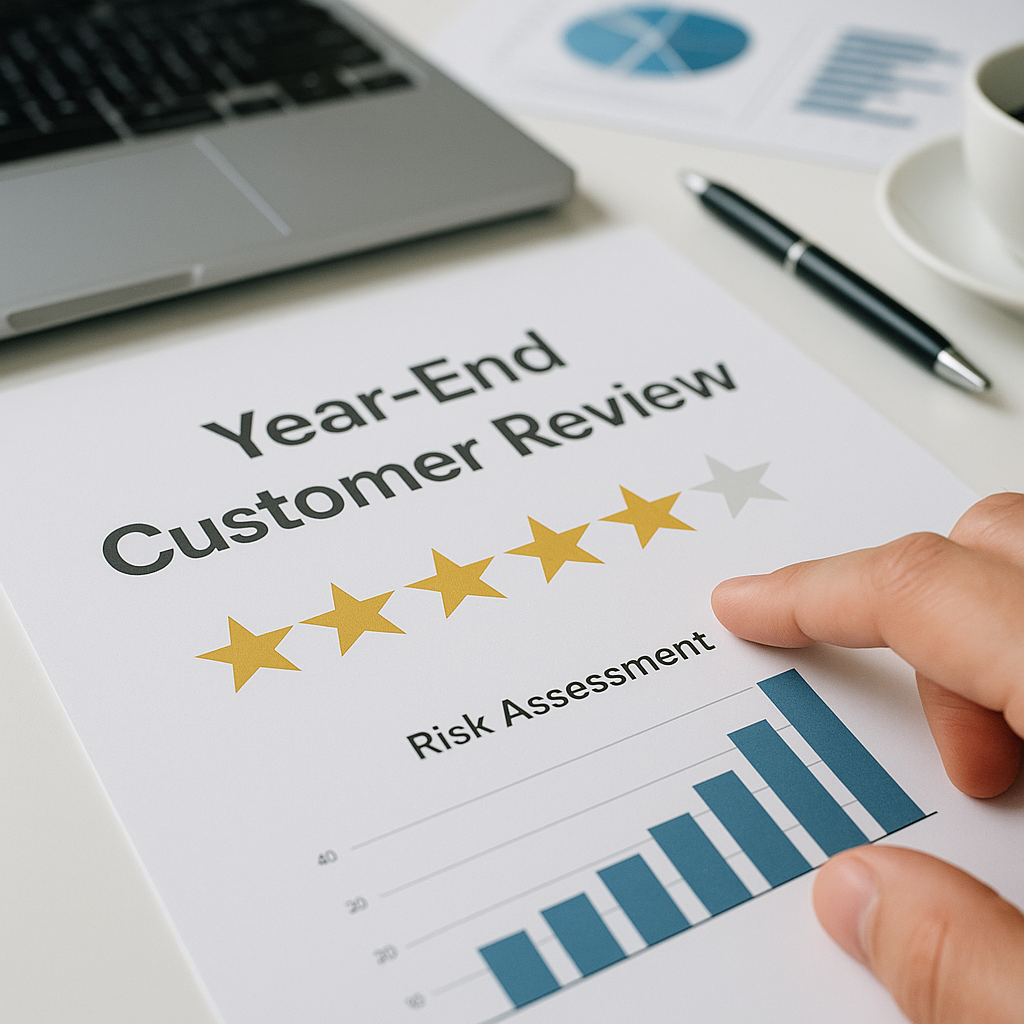
As September draws to a close, many UK businesses are moving from summer trading into year-end planning. That makes this a practical time to review existing customer accounts, payment behaviour and onboarding controls before winter demand, tighter cash flow and seasonal pressure begin to affect collections.
For firms that offer credit, staged payments, recurring billing or deferred invoicing, a structured account review can help identify customers who may become harder to collect from in the final quarter. It can also help you apply consistent checks, support fraud prevention and reduce avoidable bad debt without slowing down legitimate business.
For businesses using platforms such as Check A Customer, the objective is not to make assumptions about customers. It is to base decisions on proportionate, documented checks that support identity verification, affordability assessment and responsible risk management.
Why September is a sensible time to review customer accounts
Autumn often brings a change in customer behaviour. Households and businesses alike begin preparing for colder weather, higher energy costs and year-end commitments. In the UK, that can mean increased pressure on disposable income, more requests for payment flexibility and a higher chance of missed instalments or failed collections.
A September review helps you:
- reassess customers before Q4 trading intensifies
- spot accounts that may need closer monitoring
- check whether your existing credit limits still look proportionate
- confirm that identity and address details remain consistent
- reduce the chance of fraud or first-party misuse on established accounts
- improve internal records for compliance and audit purposes
This is particularly relevant for lenders, letting agents, subscription businesses, online sellers and service providers offering pay-later terms.
What to look for when reviewing existing customers
A strong review process should combine account activity, verification data and payment history. Looking at one factor in isolation can lead to poor decisions.
Changes in payment behaviour
One of the clearest indicators of rising risk is a shift in how a customer pays. That does not always mean non-payment is inevitable, but it does justify a closer look.
Watch for patterns such as:
- previously prompt customers starting to pay later each month
- repeated failed direct debit attempts
- requests to split payments more frequently than before
- a sudden increase in order value or credit usage
- regular disputes raised just before payment dates
- multiple accounts or applications linked to similar details
These signs should be assessed carefully and consistently. In some cases, they may point to temporary cash flow strain. In others, they may suggest identity concerns, misuse of facilities or a growing affordability issue.
Outdated or incomplete customer information
September is also a good point to check whether customer records are still reliable. If key data has not been refreshed for some time, decisions may be based on incomplete information.
Review whether you need to:
- reconfirm identity details
- validate current address information
- review creditworthiness using up-to-date data sources
- reassess affordability where ongoing commitments matter
- ensure screening rules still reflect the level of risk
For regulated or higher-risk sectors, this can also support KYC and AML monitoring obligations. Any review process should remain proportionate to the product, the transaction risk and the type of customer relationship involved.
How to make your year-end review process more effective
A useful customer review should be repeatable, recorded and easy for teams to follow. Ad hoc checks often miss warning signs or create inconsistent outcomes.
Use a risk-based review structure
Not every customer needs the same level of scrutiny. Segmenting accounts by risk helps focus time where it matters most.
For example, you may choose to prioritise:
- customers with higher credit exposure
- accounts with recent late payments
- new customers approved on limited history
- customers seeking larger limits ahead of winter trading
- accounts where identity or contact details have changed recently
This approach can help small and mid-sized UK businesses manage resources efficiently while still improving controls.
Keep compliance and data handling in view
Any customer screening or account review process should be designed with secure data handling in mind. That includes limiting access to authorised staff, keeping records accurate and processing personal data responsibly.
If you carry out identity verification, credit checks or fraud screening, your procedures should align with your lawful basis for processing and your wider GDPR responsibilities. Clear internal policies also reduce the risk of inconsistent or excessive checks.
Practical actions to take before the final quarter
If you want to strengthen your position before Q4, start with a short review plan this week.
Consider these actions:
- review customers with repeated late or irregular payments in the last 90 days
- reassess whether credit limits remain appropriate for current circumstances
- run proportionate identity checks where account details have materially changed
- revisit affordability checks for products involving ongoing financial commitments
- flag suspicious account patterns for manual review
- document decisions clearly so teams can justify changes to terms or controls
Even a modest review programme can help reduce non-payment risk and improve confidence in customer onboarding and account management decisions.
A measured approach is better than a reactive one
Businesses often tighten controls only after arrears begin to rise. By then, recovery options may be narrower and internal teams may be working under pressure. A planned September review gives you the chance to identify issues earlier, apply fairer controls and enter the colder months with stronger oversight.
If your business needs a more reliable way to verify customers, assess credit risk and support safer onboarding, visit Check A Customer to see how the platform can support better decision-making for UK businesses.
You can also start from the homepage for an overview of customer verification and screening support, or use Check A Customer online as part of a more consistent approach to reducing bad debt risk.