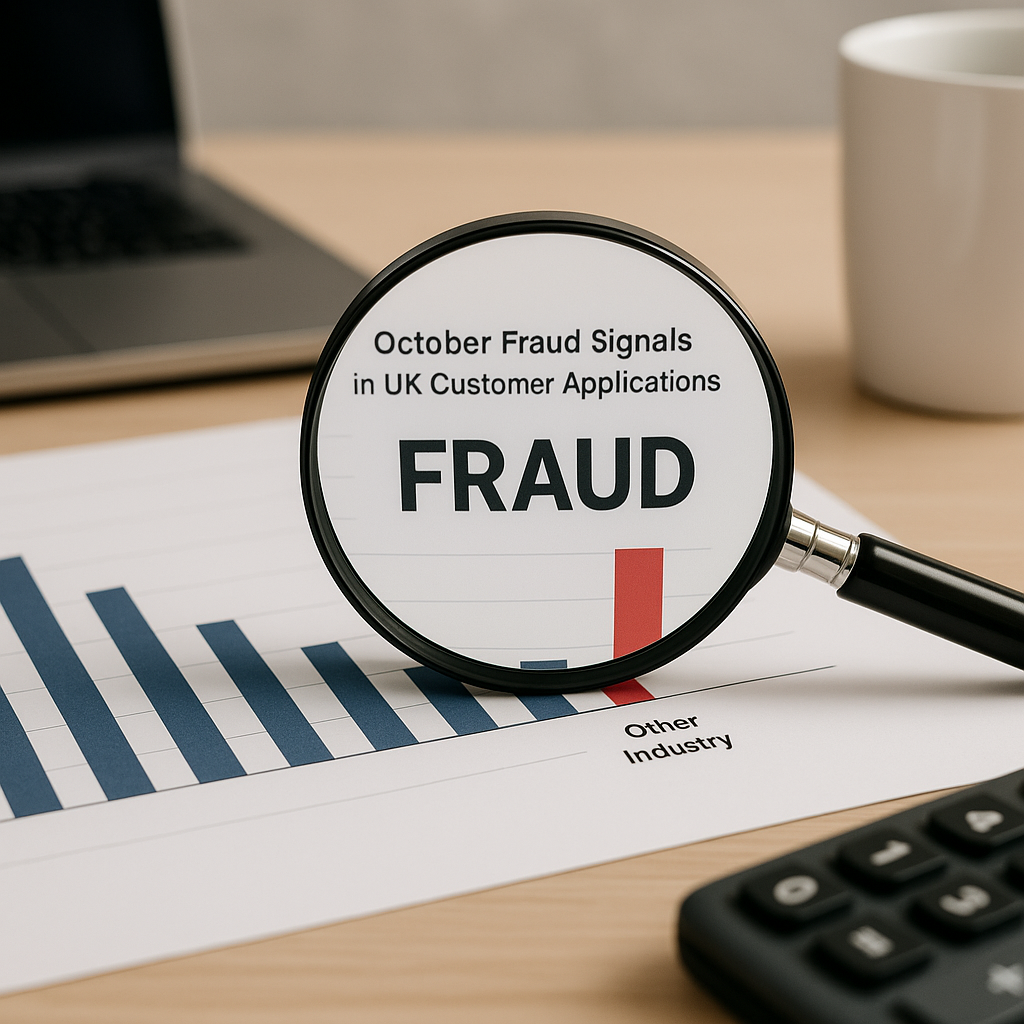
For many UK businesses, October is a practical planning month. Teams are preparing for winter demand, year-end targets and tighter cash flow controls. It is also a point in the calendar when rushed applications, changing circumstances and higher fraud pressure can increase onboarding risk.
If you are assessing new customers, tenants or account holders, it helps to know how to spot a customer that is unlikely to pay without relying on guesswork. A structured due diligence process can help you identify warning signs early, support proportionate decisions and reduce bad debt exposure.
This guide explains the October fraud and payment-risk signals worth reviewing, and how businesses can strengthen customer checks with secure, compliant processes.
Why October brings added customer risk
Autumn often creates a mix of financial pressure and operational urgency. In the UK, businesses and households may be facing rising energy use, seasonal stock commitments, rent cycles and end-of-year budget strain. At the same time, many firms are onboarding customers quickly ahead of winter trading.
That combination can lead to:
- more applications submitted in haste
- greater use of promotional or deferred payment offers
- increased attempts to open accounts with incomplete or misleading information
- a higher chance of non-payment where affordability has worsened
This does not mean every higher-risk application is fraudulent. It does mean your business should apply consistent checks before extending services, credit or access.
How to spot a customer that may not pay
Knowing how to spot a customer that is not going to pay starts with patterns, not assumptions. A single issue may not justify declining an application, but several small concerns together can indicate elevated risk.
1. Identity details do not align
Basic identity mismatches are an important warning sign. If a name, address history or date of birth cannot be reconciled through reliable data sources, the application may require further review.
Identity verification should be proportionate to the service being offered. For regulated sectors, it can also support broader KYC and AML obligations. Where appropriate, using a secure platform to verify customer identity helps reduce manual error and creates a clearer audit trail.
2. Address history is unstable or inconsistent
Frequent unexplained address changes are not automatically a problem, but they can be relevant in a payment-risk assessment. Inconsistencies between the application, supporting information and verification results may suggest the need for more checks.
For landlords, letting agents and subscription providers, address stability can be one useful part of a wider affordability and suitability review.
3. The customer resists reasonable checks
A genuine customer may have questions about privacy, and those should be handled clearly and lawfully. However, repeated reluctance to provide standard verification information, or pressure to bypass onboarding controls, can be a warning sign.
This is especially relevant in October, when internal teams may be under pressure to approve accounts quickly before winter demand increases.
4. Credit indicators suggest stress
Where your lawful basis and use case allow, credit and affordability checks can help identify whether a customer may struggle to meet payment commitments. This is often more reliable than relying on instinct or sales urgency.
Relevant concerns may include:
- adverse credit indicators
- a thin or inconsistent credit profile
- signs that recent commitments could affect affordability
- information that does not fit the value or structure of the proposed agreement
For businesses asking how to spot a customer that is not going to pay, this is often one of the clearest areas to review.
A practical October due diligence checklist
A June due diligence checklist might focus on mid-year growth and lighter trading conditions. In October, the priority is often resilience before winter. Your checks should reflect that context.
Use this practical checklist before approving a new customer, account or agreement:
- Verify identity using trusted data sources.
- Confirm address history and check for inconsistencies.
- Review creditworthiness where appropriate and lawful.
- Assess affordability against the product or payment terms offered.
- Check for fraud markers or unusual application behaviour.
- Apply risk scoring consistently across similar cases.
- Record the rationale for any approval, referral or decline.
- Ensure personal data is handled securely and in line with GDPR requirements.
- Escalate higher-risk cases for manual review rather than making rushed decisions.
- Recheck existing controls to ensure seasonal workloads are not weakening your process.
A structured checklist supports consistency across teams and helps reduce the risk of avoidable non-payment.
Building a safer onboarding process
An effective onboarding process should balance speed, customer experience and risk control. Businesses do not need to make intrusive decisions to improve outcomes. They need a documented process, reliable data and clear thresholds for review.
Focus on proportionate checks
Checks should fit the nature of the service, transaction value and risk profile. A finance provider, landlord and e-commerce firm will not all need the same depth of screening. What matters is that your process is reasonable, consistent and evidence based.
Reduce manual gaps before winter pressure rises
October is a good time to review whether manual onboarding steps are creating avoidable gaps. Delays, inconsistent data entry and ad hoc decision-making can all increase risk. Using a specialist platform can help businesses verify customers more efficiently while supporting secure data handling.
For organisations reviewing their approach this autumn, Check A Customer provides a platform designed to support customer verification, fraud prevention and responsible risk assessment.
You can also review the Check A Customer home page to understand how digital checks can support onboarding and account opening controls. Businesses looking for a streamlined approach to customer verification through Check A Customer can use the platform to strengthen screening without compromising on data security.
Final thoughts
October is the right time to tighten customer due diligence before winter workloads and year-end pressure build further. If you are reviewing how to spot a customer that may not pay, focus on verified information, affordability, fraud signals and consistent decision-making.
A careful process will not remove all risk, but it can help your business make better informed decisions and reduce unnecessary exposure to bad debt. To strengthen your onboarding checks this autumn, visit Check A Customer and explore a more secure, compliant approach to customer screening.