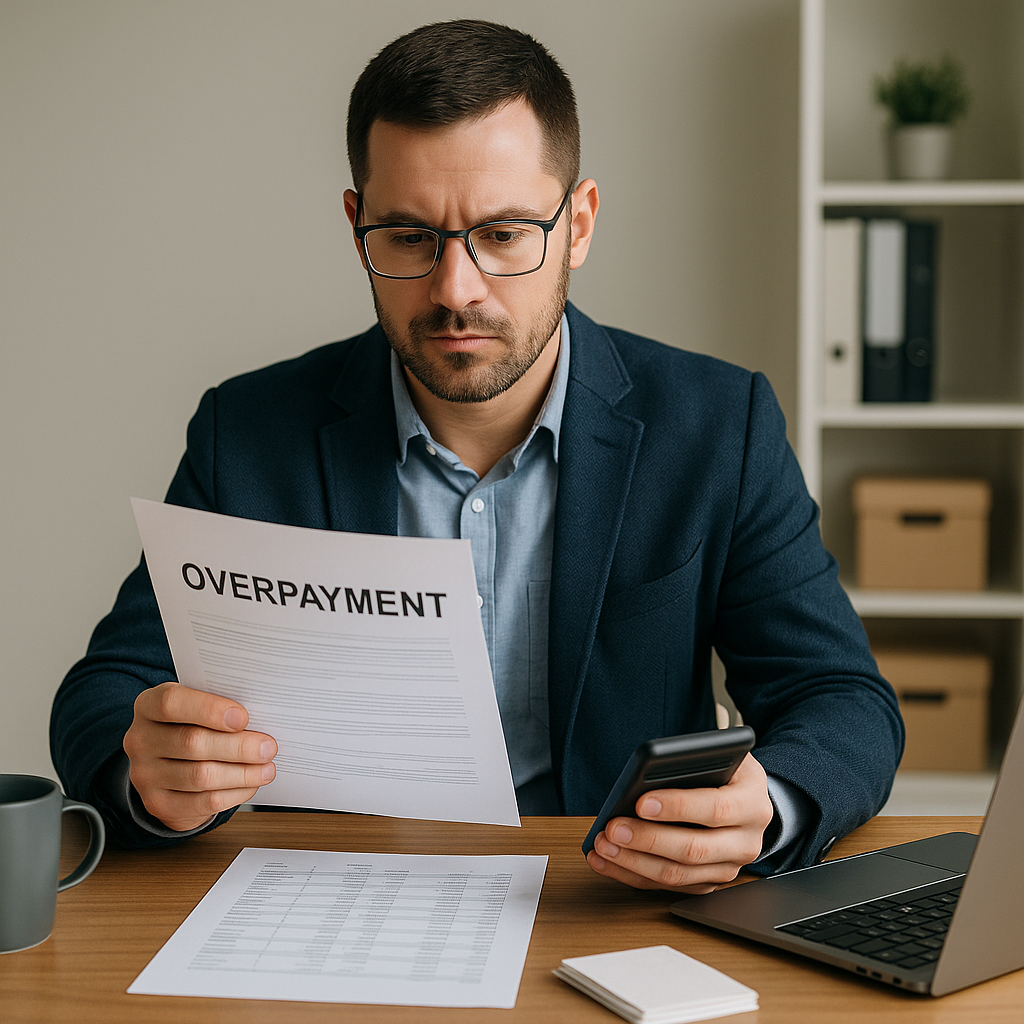
When you’re juggling school runs, packed lunches, lost jumpers and the general circus of family life, spotting an unexpected payment can feel… confusing, to put it politely. If you’ve received an overpayment in child maintenance, it’s easy to wonder what happens next. Do you send it back? Leave it alone? Treat it as a credit for next month? Panic-buy a coffee machine? Probably not that last one.
For co-parents in CM3 8DN and across the UK, May often brings a fresh round of reorganising. Summer term trips start appearing, lighter clothes replace the winter layers, and shared child-care plans can shift as routines change. That makes this a good time to get clear on how co-parenting payments should be handled when the numbers don’t quite line up.
First: what counts as an overpayment?
An overpayment happens when one parent pays more than was expected or agreed for child maintenance. That could be because:
- the wrong amount was sent by mistake
- a payment was duplicated
- the payment date got mixed up
- standing orders were not updated after an agreement changed
- extra money was sent intending to cover a future payment
Not every larger payment is automatically a problem. Sometimes it’s deliberate. Sometimes it’s an error. The key thing is not to guess.
If you co-parent, the best approach is to record what was paid, when it arrived, and whether both parents agree it should count as a credit.
Don’t rush to refund it without checking
If you receive more than expected, take a breath before sending anything back. A quick refund might seem like the tidy thing to do, but it can create more confusion later if there’s no clear record of what happened.
Instead, work through these steps.
1. Check your agreement
Look at your existing child maintenance arrangement. Is there a fixed monthly amount? Has anything changed recently because of child-care schedules, extra costs, or school holidays? If the payment doesn’t match the agreed amount, note the difference.
2. Confirm with the other parent
Ask one simple question in writing: Was this extra amount intentional, and if so, should it be treated as a credit towards a future payment?
Keep it calm, clear and boring. Boring is underrated in co-parenting admin.
3. Record the payment properly
Whether the payment stays where it is, gets refunded, or becomes a credit, log it straight away. A proper record helps avoid the classic “I thought that covered June” conversation three weeks later.
Using a tool like our maintenance payment tracker can help both parents see what was paid, what was missed, and what has been carried forward.
How credits work in child maintenance
A credit usually means the extra amount paid is set against a future payment. For example:
- The usual monthly maintenance payment is £250.
- One month, £300 is paid.
- The extra £50 may be agreed as a credit.
- Next month, only £200 may be due, if both parents have agreed that arrangement.
Simple in theory. A bit wobblier in real life if nobody writes it down.
Credits only really work well when both parents are clear on three things:
- how much the credit is
- which future payment it applies to
- whether it covers all or part of that payment
If that isn’t clearly logged, one parent may see the overpayment as goodwill, while the other sees it as advance payment. That’s where unnecessary arguments tend to sneak in.
When not to assume it’s a credit
This is important: don’t automatically treat an overpayment as a future credit unless that has been agreed.
There are situations where the extra amount may be separate from regular maintenance, such as:
- a contribution towards school uniform or clubs
- repayment of a different shared expense
- a one-off payment for holiday child-care
- an accidental duplicate payment that should be returned
This is why wording matters. A quick written message confirming the purpose of the payment can save a mountain of hassle later.
A sensible way to handle overpayments this spring
May is often the month when family calendars start doing acrobatics. Bank holidays, half-term planning and summer arrangements can all affect who’s paying for what. If you’ve had an overpayment land recently, here’s a practical process to follow:
Keep a clear paper trail
Try this checklist:
- note the date and amount received
- compare it with the usual agreed payment
- ask the other parent to confirm the reason for the extra amount
- record whether it is a refund, a one-off contribution, or a credit
- note which future month the credit applies to, if relevant
- keep all messages and payment confirmations together
That way, if questions pop up later, you’re not relying on memory from “sometime around the sunny week in May”.
Include related child-care notes too
Payments don’t exist in a vacuum. If an overpayment is linked to a change in overnight stays, holiday arrangements or extra child-care, log that too. The more context you have, the easier it is to keep things fair and transparent.
If you’re already trying to keep on top of practical shared-parenting admin, our co-parenting tools can help you organise the moving parts without turning every message into a debate club.
Why good records protect both parents
Let’s be honest: overpayments can feel awkward. The receiving parent may worry they’ll look unfair if they keep the money. The paying parent may worry the extra amount will be forgotten. A proper record protects both sides.
It also helps keep the focus where it belongs: on the child, not on chasing old bank transfers.
At Split the Sprout, we believe co-parenting works better when the admin is clear, calm and visible. Logging payments, missed amounts, credits and related child-care details gives both parents a shared reference point. Less room for misunderstanding, less room for stress.
Final thoughts
If you receive an overpayment, don’t ignore it and don’t make assumptions. Confirm what it is, agree what happens next, and record it properly. Whether it’s refunded, treated as a credit, or linked to another expense, clarity now saves conflict later.
If you want a simpler way to manage child maintenance, co-parenting payments and the everyday admin that comes with shared child-care, Split the Sprout can help. Take a look at our tools and start building a calmer, clearer co-parenting system today.