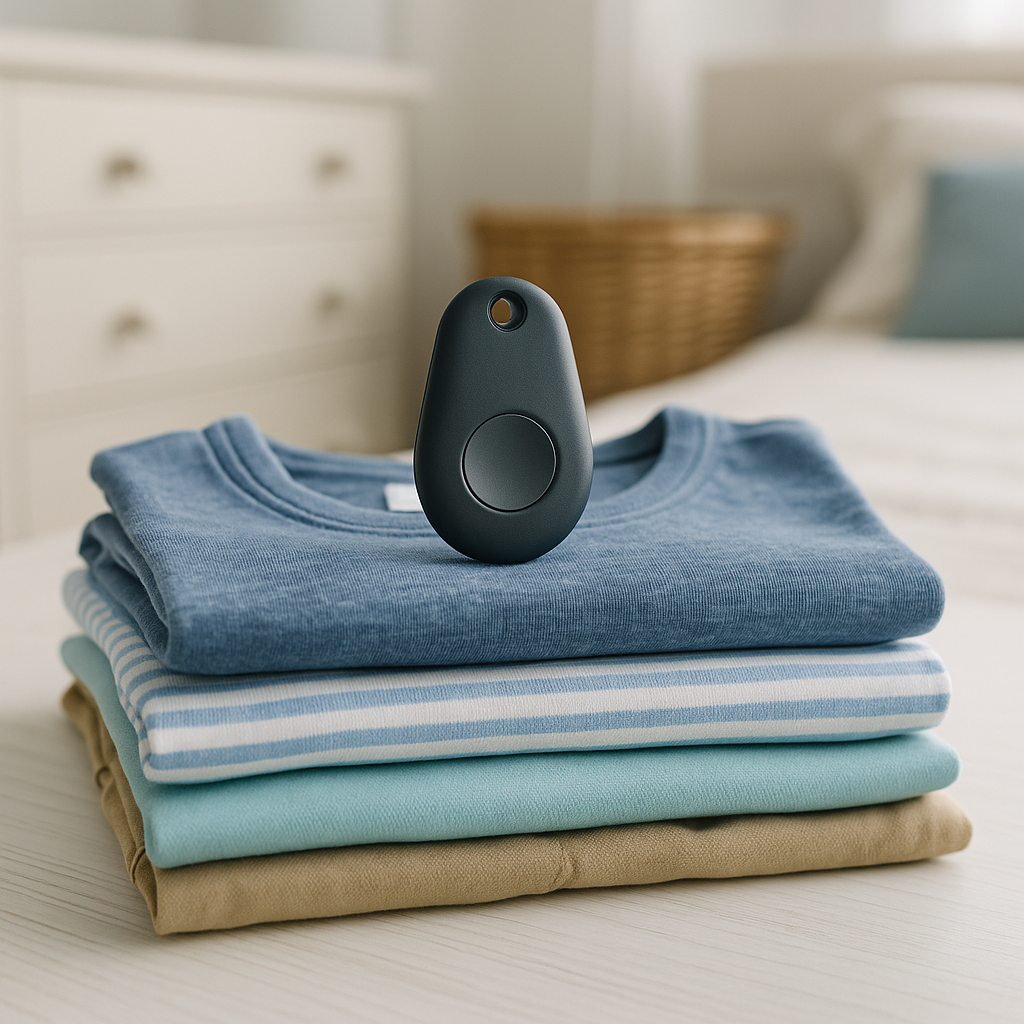
When children move between two homes, clothes often seem to vanish. A school jumper stays in the wrong hallway, football boots are left by the back door, or a favourite coat somehow never makes it back. For separated and co-parenting families, this can become more than a small annoyance. It can lead to repeated spending, frustration and unnecessary arguments.
A simple clothing tracker can help. Rather than relying on memory or tense messages, it gives both parents a clear way to keep track of what belongs where. For families in CM3 8DN and across the UK, May is often when wardrobes start to shift too, with lighter clothes, PE kits and outdoor items coming back into regular use. That makes spring a good time to get more organised.
Why clothes become a regular co-parenting problem
Children’s clothing is one of the easiest things to lose between homes because it moves constantly. School uniform, casual clothes, coats, swimwear and sports kit can all travel back and forth several times a week.
The usual problems tend to be:
- items are packed in a rush
- children wear something different home than what they arrived in
- school and activity kit gets mixed in with everyday clothes
- nobody keeps a note of what has moved between homes
- parents end up buying replacements rather than chasing missing items
Over time, this can affect more than the laundry basket. It can create resentment about cost, effort and fairness. That is why shared parenting finances and practical organisation often go hand in hand.
What a clothing tracker actually does
A clothing tracker is not about counting every sock. It is simply a practical record of higher-value or frequently misplaced items that move between homes.
A useful tracker might include:
- the item name
- the date it moved
- which home it went to
- whether it has been returned
- any note such as size, colour or school use
This creates a shared reference point. Instead of asking, “Didn’t I send that coat last week?”, both parents can check the record and sort it out calmly.
Focus on the items that matter most
Start with the clothes and accessories that are most likely to cause stress or extra cost, such as:
- school blazers and jumpers
- PE kit
- football boots or dancewear
- coats and waterproofs
- swimming kit
- branded hoodies or expensive trainers
This keeps the system manageable and avoids making day-to-day life feel overly rigid.
How to set up a simple system that both homes can use
The best tracking systems are easy, quick and realistic. If it takes too long, nobody will keep it up.
Keep it plain and consistent
Choose one method and stick to it. That could be:
- a shared note on both parents’ phones
- a spreadsheet
- a co-parenting app
- a dedicated children’s expense and records platform
The key is that both parents can see the same information. That is where digital records can really help. A shared system reduces confusion and gives everyone one version of the truth.
You may also find it helpful to combine clothing notes with your wider child-related records. Split the Sprout supports clearer child support payment tracking and everyday expense management, helping co-parents keep practical records in one place. If you are reviewing how you handle shared costs and children’s items, you can explore co-parenting money management tools and get in touch about using the platform.
Tips to stop clothes going missing in the first place
A tracker works best when it is paired with a few simple habits.
Create a handover routine
Before a child moves between homes, do a quick check together. This does not need to be formal. A 30-second glance at the bag can make a big difference.
You could check for:
- school shoes
- jumper or blazer
- PE kit
- coat
- any club-specific clothing needed that week
Name labels still matter
Even when children are older, labels help. If something gets left at school, at a club or in the other house’s wash basket, it is much easier to identify.
Agree what stays in each home
Some families reduce confusion by keeping basic items in both homes. For example, each house might keep everyday pyjamas, pants, socks and a spare coat. Then only certain clothes need tracking. This can also support fairer splitting children’s expenses, especially if both parents agree in advance what should be duplicated and what should travel.
Why this is really about reducing conflict
On the surface, missing clothes may seem minor. But in co-parenting, small recurring problems often carry bigger emotions. If one parent feels they are always replacing items, or the other feels constantly accused, tension can build quickly.
A clothing tracker helps because it:
- removes guesswork
- reduces blame
- makes spending easier to discuss fairly
- gives children more consistency
- supports transparent money management for separated parents
That matters in practical terms as well as emotional ones. Replacing uniform, coats and activity wear adds up. Better records can support calmer conversations about who has bought what and when.
A good time to reset before summer
In late spring, many families are already sorting wardrobes, buying next-size uniform pieces and preparing for school trips, sports days and warmer weather. That makes May a sensible time to introduce a new system before the summer term gets busier.
If your household around CM3 8DN is already juggling outdoor clubs, changing weather and more frequent handovers, a simple clothing tracker can prevent a lot of avoidable stress over the next few months.
It does not need to be perfect. It just needs to be clear enough that both homes can follow it.
Final thought
Losing children’s clothes between homes is common, but it does not have to become a constant source of conflict. A straightforward clothing tracker can help separated parents stay organised, reduce repeat spending and keep conversations focused on practical solutions rather than frustration.
If you want a clearer way to manage records, shared expenses and everyday co-parenting finances, Split the Sprout can help you build a more transparent system that works for both homes.