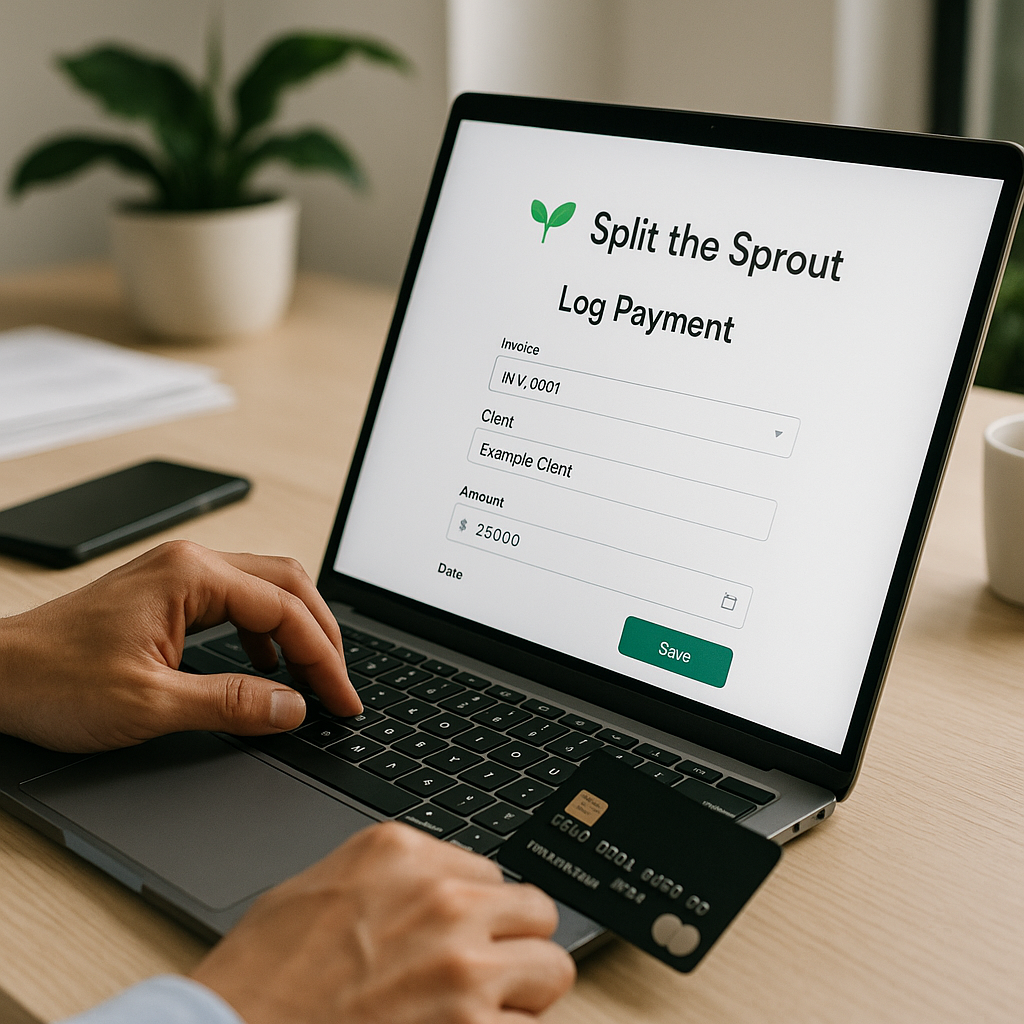
Starting something new can feel like one more task on an already full list, especially when co-parenting finances are involved. The good news is that logging your first payment in Split the Sprout does not need to be complicated.
If you are a separated, divorced or co-parenting parent looking for a calmer way to manage shared child-related costs, this step-by-step guide will help you get started with child support payment tracking in a simple, practical way. Whether you are in CM3 8DN or managing arrangements online elsewhere in the UK, having a clear digital record can make day-to-day money conversations much easier.
Why logging the first payment matters
Your first entry sets the tone for everything that follows. A clear record helps both parents see what has been paid, when it was paid and what it was for. That transparency can reduce misunderstandings and make shared parenting finances easier to handle over time.
In May, many families start planning for extra seasonal costs such as half-term activities, summer clubs, new shoes, outdoor kit or upcoming school trips. Recording payments early can help you stay organised before those extra expenses begin to build.
Step 1: Gather the details before you start
Before you log anything, take a minute to pull together the basic information. This helps you complete the record accurately in one go.
You will usually want to have:
- the payment amount
- the date the payment was made
- what the payment was for
- any reference or note that adds context
- proof of payment, if you want to keep your records especially tidy
This does not need to be perfect. The aim is simply to create a clear, honest record that both parents can understand later.
Step 2: Sign in and go to the payment tracking area
Once you are in Split the Sprout, head to the section designed for recording child-related payments and expenses. If you are just getting familiar with the platform, it can help to review the main features first through our co-parenting money management tools.
Look for the area where you can add or log a new payment. This is where your digital record begins.
What to check before you enter anything
Before saving the payment, make sure:
- you are logging it under the correct child or shared arrangement
- the amount matches the bank transfer, cash payment or agreed figure
- the date is correct
- the description is plain and specific
A short note such as “May school shoes” or “weekly child maintenance payment” is often more useful than something vague.
Step 3: Enter the payment clearly
This is the most important part of the process. When adding your first payment, focus on clarity rather than detail for detail’s sake.
Include:
- Amount paid – enter the exact figure
- Payment date – use the date the payment was actually made
- Category or type – for example, regular support, school item, childcare or activity cost
- Description – keep it simple and factual
- Optional attachment or note – add supporting information if helpful
If the payment covers a spring or early summer cost, such as a school trip deposit or half-term club, label it in a way that will still make sense in a few months’ time.
This sort of transparent money management for separated parents is not about keeping score. It is about reducing the need to revisit the same questions later.
Step 4: Double-check and save
Before you hit save, pause for a quick review. Ask yourself:
- Would another person understand what this payment was for?
- Is the amount correct?
- Does the date match the actual transfer or agreement?
- Have I worded the note calmly and neutrally?
Keeping the tone factual is especially important. A payment log works best when it is a practical record, not a space for frustration or commentary.
Once you are happy, save the entry. You have now created your first digital record for child-related spending.
Step 5: Build a simple habit from the start
The easiest way to stay organised is not to let payments pile up. After your first entry, try to log each new payment soon after it happens.
A simple routine that helps
You might find it useful to:
- log payments on the same day each week
- upload receipts or screenshots straight away
- use consistent descriptions each month
- check entries before half-term, holidays or new school terms
This can be particularly helpful at this time of year, when family budgets often start stretching towards summer expenses.
If you want a better feel for how the platform supports everyday record keeping, take a look at our child expense tracking support to learn more about getting started.
Common mistakes to avoid
When logging your first payment, a few small mistakes can create confusion later. Try to avoid:
- entering rounded figures instead of the exact amount
- using unclear labels such as “stuff for kids”
- forgetting the payment date
- mixing multiple expenses into one entry without explanation
- leaving records until weeks later, when details are easier to forget
None of these are disastrous, but cleaner records make future conversations much simpler.
Keep it simple, fair and easy to follow
Starting with one payment may seem small, but it is often the first step towards calmer co-parenting admin. Good child support payment tracking helps create clarity, supports better budgeting for children’s needs and gives both parents a shared point of reference.
Split the Sprout is designed to make that process feel more manageable. If you are ready to take the stress out of logging payments and organising child-related costs, explore how Split the Sprout can support your next step.