For many separated and co-parenting families, children’s clothes can become an unexpected source of stress. A hoodie goes missing, school shoes come back in the wrong size bag, or a favourite coat seems to disappear between homes. These situations may sound small, but they can quickly lead to tension when nobody is quite sure what was sent, what came back, and what needs replacing.
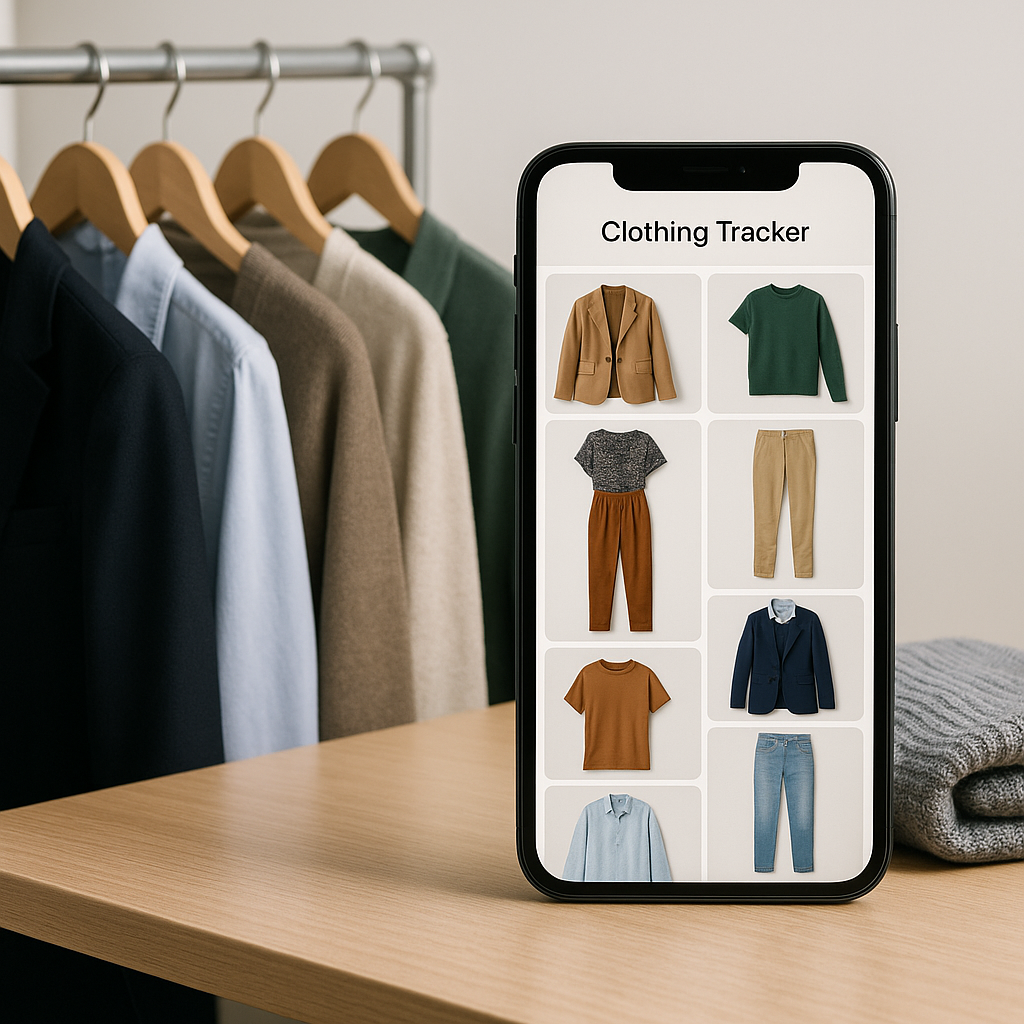
A clothing tracker can help make this part of shared parenting far simpler. By keeping a clear digital record of what your child is wearing and where it is, you can reduce confusion, avoid repeated purchases, and keep conversations focused on practical facts rather than frustration.
In June, when families around CM3 8DN are juggling school trips, sports days, changing weather and early summer holidays, it is especially easy for outfits to go astray. A more organised system can make those handovers feel calmer.
Why children’s clothing often causes co-parenting stress
Children move between homes with a lot more than just a backpack. There may be:
- School uniform
- PE kits
- Weekend clothes
- Coats or lightweight jackets for changing weather
- Swimwear for lessons or holidays
- Shoes, wellies or sandals
- Special outfits for parties or events
When these items are not tracked clearly, a few common problems tend to happen:
- One parent believes items are not being returned.
- The other parent feels unfairly blamed.
- Children end up without what they need for school or activities.
- More money is spent replacing clothes that may simply be in the wrong home.
This is where a clothing tracker with photos can be genuinely useful. It creates a simple, shared point of reference that supports transparent money management for separated parents without turning every handover into a disagreement.
How a clothing tracker with photos helps
A good clothing tracker does more than list items. Adding photos makes the record clearer, quicker to check and easier for both parents to understand.
Photos remove guesswork
It is much easier to identify “the blue school jumper with the badge stitched at the corner” when there is a photo attached. Pictures help avoid confusion over similar-looking items, sizes or duplicate basics.
You build a practical digital record
A digital log shows what went to each home and when. That can help with day-to-day organisation and support better shared parenting finances, especially when clothing is one of several child-related costs being managed across two households.
It keeps communication calmer
Instead of sending emotional messages about missing clothes, you can refer to a shared record. This helps shift the conversation from blame to simple problem-solving.
A simple way to use clothing tracking in summer
June is often one of the busiest months for children’s belongings. Between school events, warmer weather and summer activity clubs, outfits can move around quickly. A straightforward routine can help.
Try this 5-step approach
Photograph the outfit before handover
Take a quick picture of what your child is wearing, including shoes or outerwear if needed.Log key items only
You do not need to track every sock. Focus on uniforms, coats, branded sportswear, occasion clothes and other items that are often disputed or expensive to replace.Add short notes
Keep it factual: “School cardigan, grey skirt, black trainers, PE bag.”Check returns at the next handover
Compare what comes back with the photo record rather than relying on memory.Use the record to spot patterns
If the same types of items often stay at one home, you may decide to keep duplicate basics in both places and only track the more important pieces.
This kind of routine works best when it is light-touch and consistent. The aim is not to monitor every movement, but to reduce avoidable stress.
Clothing tracking and children’s expenses
Clothes are not just about organisation. They are also part of the wider picture of splitting children’s expenses fairly. If school shoes need replacing because a pair cannot be located, or a full PE kit has to be bought again, those costs can add up.
Using co-parenting tools and apps to keep clothing records alongside payment tracking can make these situations easier to manage. You have a clearer view of:
- what items were purchased,
- what was sent between homes,
- what may need replacing, and
- how child-related spending is building up over time.
That is particularly helpful in summer, when many families are already budgeting for holiday clubs, trips, new uniform preparation and seasonal clothing.
Keeping clothing records helpful, not stressful
A tracking system should support cooperation, not create more admin. A few good habits can help:
- Keep notes brief and neutral
- Track higher-value or frequently misplaced items first
- Use photos in good light so items are easy to recognise
- Avoid using the log to make accusations
- Review it only when needed, rather than constantly
The most effective systems are the ones that make life easier for both parents and keep children out of adult disagreements.
If you are looking for a practical way to manage child-related records, payments and shared costs in one place, you can explore our co-parenting money management tools and learn more about tracking shared child expenses and records.
Small records can prevent bigger arguments
It is easy to underestimate how much stress can come from a missing jumper or an unreturned coat. But in many co-parenting arrangements, repeated small frustrations can build into larger money disagreements over time.
A clothing tracker with photos offers a simple, practical way to stay organised. It helps both parents rely less on memory, reduce repeat spending, and maintain clearer digital records for child-related spending and belongings.
Split the Sprout is designed to support exactly this kind of calm, transparent co-parenting. If you want an easier way to manage children’s clothes, shared expenses and payment records, take a look at Split the Sprout and find a system that helps you stay organised with less conflict.