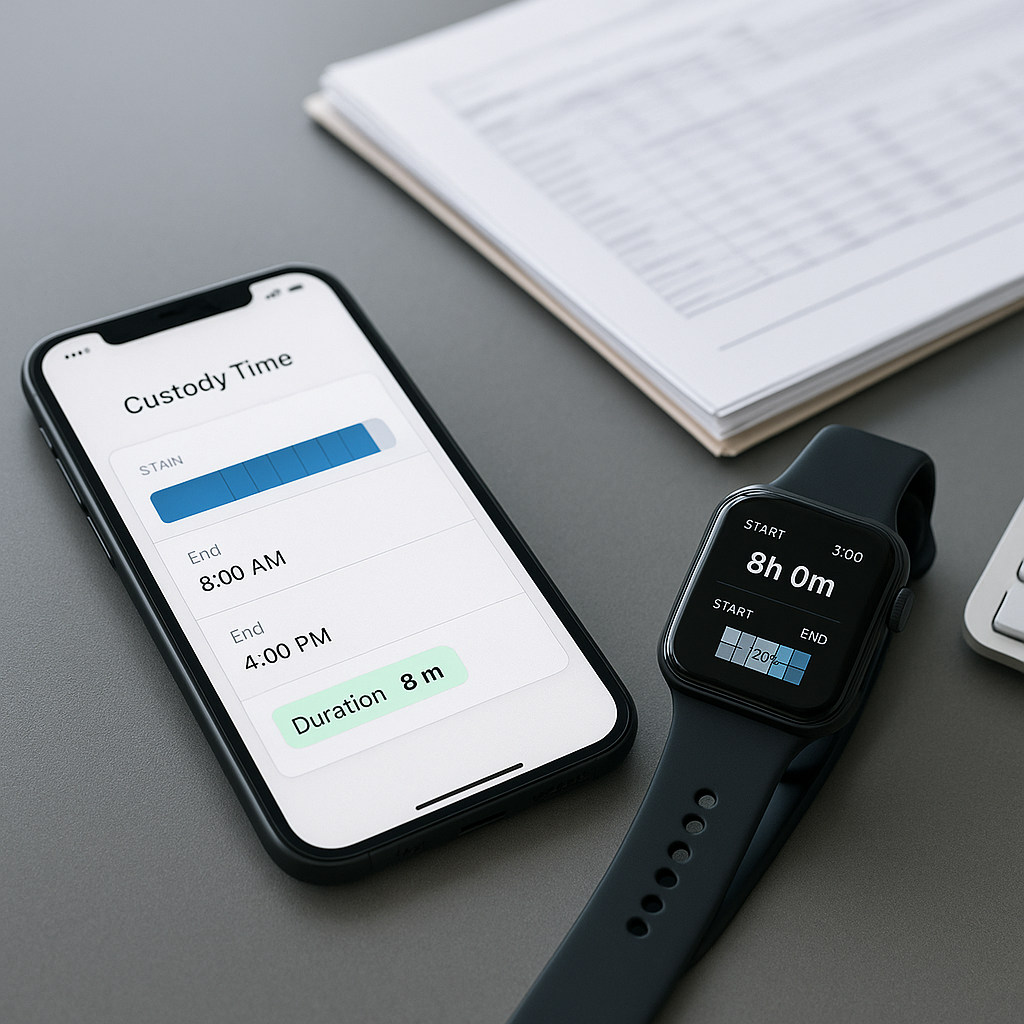
When children move between two homes, keeping track of custody time can quickly become more complicated than it first appears. School holidays, summer activities, sleepovers, swaps, and last-minute changes can all make a simple calendar feel less simple.
For separated and divorced parents in the UK, using technology for tracking custody time can make day-to-day family life more manageable. It can also reduce confusion, support better communication, and help both parents keep a clear record of where children are meant to be and when. For many families, that clarity can ease some of the pressure that builds up around shared care.
At Split the Sprout, the goal is to help parents bring more structure and transparency to child-related arrangements, especially where money, records, and shared responsibilities overlap.
Why digital custody tracking helps in real life
A shared care arrangement often looks straightforward on paper. In real life, it can shift week by week. July and August are a good example of this in the UK, because summer holidays often bring clubs, travel, childcare changes, and different pick-up times.
Using digital tools to track custody time can help parents:
- see upcoming arrangements in one place
- record agreed changes clearly
- avoid misunderstandings over collection and drop-off times
- keep a reliable history of time spent in each home
- support better planning for school, childcare, and activities
- link parenting time with child-related spending more accurately
This matters for emotional reasons as well as practical ones. When both parents can refer to the same record, there is less room for disagreement about what was agreed.
What to look for in technology for tracking custody time
Not every app or digital tool is designed with co-parenting in mind. A basic calendar might work for some families, but others need more structure and accountability.
Shared calendar visibility
A good system should allow both parents to see the same schedule. That means fewer crossed wires and less back-and-forth over dates. Shared visibility is especially useful during the summer break, when routines often change more often than during term time.
Easy updates and change records
Changes happen. One parent may need to swap a weekend, arrange holiday cover, or update a pick-up time. Technology that logs updates clearly can help both parents stay informed without relying on memory or old text messages.
Notes that add context
Sometimes a time entry needs more than a date. You may want to note sports camp, a family event, or a school transition day. Being able to add a short note can make arrangements easier to follow and reduce confusion later.
Links to expense management
Custody time and child-related spending are often connected. If one parent covers extra holiday club fees, travel costs, or activity expenses during their parenting time, it helps to have clear records. That is where co-parenting expense management becomes especially useful alongside custody tracking.
How custody tracking supports fairer financial planning
One issue many co-parents face is that time and money do not always get recorded together. A parent might know they had the children for extra days, but have no simple way to connect that with meals out, transport, or summer childcare.
Using technology for tracking custody time alongside payment and expense records can help with:
- understanding patterns in shared care
- planning upcoming child-related costs
- keeping receipts tied to specific dates or activities
- improving transparency around who paid for what
- reducing disputes about reimbursements or informal contributions
This is particularly relevant over summer in the UK, when children are off school for longer and costs often rise. Holiday clubs, day trips, extra food, and flexible childcare can all affect what each parent spends.
If you are already trying to improve your records, it may help to look at how Split the Sprout works to see how digital tools can support shared financial organisation.
Simple ways to start using digital custody tracking
If your current system is scattered across texts, screenshots, and paper notes, it is worth simplifying it. You do not need a perfect set-up on day one. What matters is choosing a method that both parents can follow consistently.
Start with the core schedule
Begin by recording the regular pattern, such as weekdays, weekends, and school handovers. Once that is clear, add one-off adjustments like summer trips or swapped days.
Keep entries factual
Use short, neutral notes. For example, record times, dates, and agreed changes without adding emotion or blame. This helps maintain a practical tone and keeps the focus on the children.
Match time records with spending records
If an expense comes up during a particular stay, log it while it is fresh. This can make child support payment tracking and shared expense records much easier to review later.
Store supporting details in one place
If you need to keep confirmation messages, receipts, or activity bookings, having them organised digitally can save time and reduce stress.
Common mistakes to avoid
Even with good technology, a few habits can make custody tracking less useful. Try to avoid:
- relying on memory instead of updating the schedule promptly
- keeping separate versions of the calendar
- mixing practical notes with emotional commentary
- leaving expense records until weeks later
- using too many different apps for related tasks
The best system is usually the one that is clear, shared, and easy to maintain.
A calmer way to manage shared care
Technology will not solve every co-parenting challenge, but it can remove a lot of avoidable confusion. Clear custody records can support better routines for children, more confidence for parents, and more accurate planning around time and money.
When paired with transparent expense records, digital tools can help families move away from guesswork and towards a more organised approach. That is often where conflict starts to reduce, because both parents can see the same information and work from the same record.
If you are looking for a practical way to organise child-related payments and shared records, explore Split the Sprout or sign up here to get started.