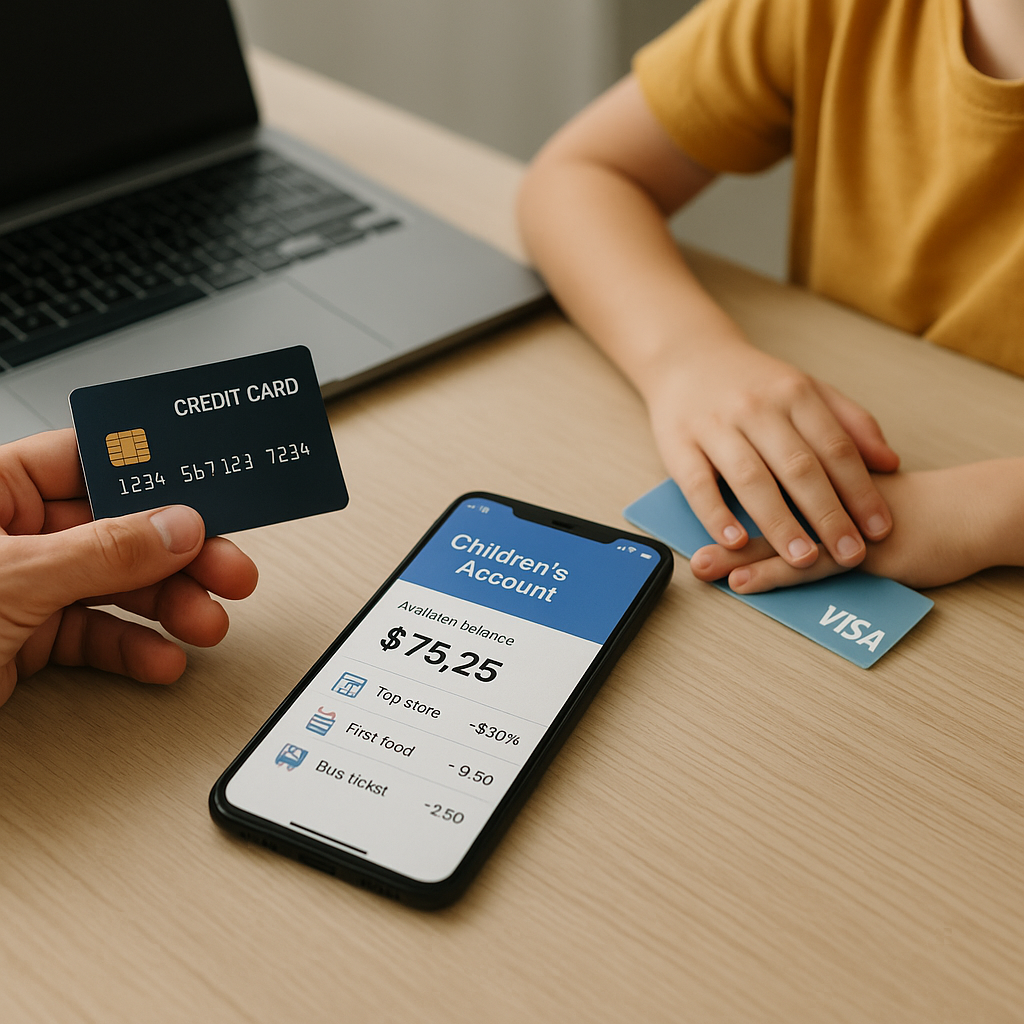
When you are co-parenting, it is often the small, everyday purchases that cause the most confusion. A new pair of school shoes, extra sun cream for a holiday club, lunch money, a replacement water bottle, or children’s clothes bought in a rush can all add up quickly. By August, when summer activities, trips, and changing routines are in full swing across the UK, it can become even harder to remember who paid for what.
Keeping a clear digital trail for children’s spending helps reduce stress, avoids repeated conversations, and makes shared financial responsibility feel more manageable. For separated parents, a practical system matters far more than perfect memory.
Why a digital record matters for everyday child costs
Big expenses usually get attention. It is the day-to-day spending that tends to slip through the cracks. Small costs are easy to forget, especially when purchases happen across two homes, on different days, and for different reasons.
A clear digital trail can help you:
- see what has been spent on your child over time
- keep receipts and notes in one place
- track child maintenance payments alongside extra costs
- reduce disagreements about whether something was discussed
- support fair cost sharing between parents
- make budgeting for the next month or school term easier
For many parents looking for a co-parenting app in the UK, the real benefit is not just convenience. It is having a calm, shared record that both adults can refer to when memories differ.
What should be included in your digital trail
A useful record does not need to be complicated. It just needs to be consistent.
Focus on the essentials
For each purchase, try to include:
- the date
- what was bought
- the amount paid
- who paid
- whether it was agreed in advance, urgent, or routine
- a receipt or screenshot where possible
This works well for all sorts of common costs, including packed lunch items, school uniform extras, medication, travel for activities, and children’s clothes. If you have ever searched for a way to manage a children’s clothes tracker for separated parents, this simple structure is often enough.
Add context without adding emotion
Keep notes factual and short. For example, write, “PE trainers for September term, purchased in Chelmsford on 2 August, £24.99”, rather than anything that sounds accusatory or defensive. A neutral record supports better communication and keeps the focus on the child’s needs.
How to make tracking easier in everyday life
The best system is the one you will actually use. A notes app and a photo album might seem fine at first, but they can become messy very quickly. A dedicated app for separated parents in the UK is often easier because it brings payments, records, and shared visibility together.
If you want your tracking process to be more manageable, try these habits:
- upload receipts as soon as you make the purchase
- label expenses clearly so they are easy to find later
- agree broad categories such as clothing, school, clubs, health, and daily essentials
- review spending weekly rather than waiting until the end of the month
- keep child maintenance tracking separate from optional extras, but visible in the same system where possible
This is especially helpful in summer, when spending can become less predictable. Holiday clubs, extra snacks, day trips, and last-minute supplies often create more ad hoc purchases than usual.
How digital records can reduce money-related tension
A shared record does not solve every co-parenting challenge, but it can remove some of the uncertainty that often leads to conflict. When both parents can see the same information, it is easier to discuss reimbursement, routine contributions, or missed items calmly.
For example, if one parent believes they have covered more of the everyday spending, a digital log can show the pattern clearly. If a payment has been missed, using a missed child maintenance payment tracker alongside your other records can also provide better visibility without turning every conversation into an argument.
Many parents looking for a child maintenance tracker in the UK are really looking for something wider, a way to connect regular support payments with the real, ongoing costs of raising a child.
Choosing the right digital tools
Not every family needs the same features, but there are some basics worth looking for in a co-parent communication app in the UK.
Helpful features to prioritise
Look for tools that allow you to:
- log child-related expenses quickly
- store receipts and screenshots securely
- track regular support payments
- share visibility with the other parent
- keep records organised by date or category
- review payment history when needed
If you are comparing options, it can help to see how Split the Sprout works. The aim should be to make record-keeping simpler, not more time-consuming.
A simple routine that works for many co-parents
You do not need to update records for hours each week. A short routine can make a big difference:
Try this 10-minute weekly check-in
Set aside ten minutes once a week to:
- upload any missing receipts
- check that payments are labelled properly
- note any shared costs that may need discussing
- confirm whether any reimbursement is still outstanding
- look ahead to likely spending for the next week
This kind of routine supports transparency and accountability between parents. It also helps with planning for upcoming costs, whether that is new school items, activity fees, or replacing worn-out summer clothes before autumn arrives.
Keep it clear, calm, and child-focused
A digital trail is not about keeping score. It is about creating clarity. When children’s everyday spending is recorded properly, both parents are in a better position to contribute fairly, plan ahead, and avoid unnecessary friction.
Split the Sprout is designed to help co-parents manage child-related payments and records in a practical, straightforward way. If you want a better system for tracking support and everyday expenses, explore Split the Sprout or sign up here to get started.