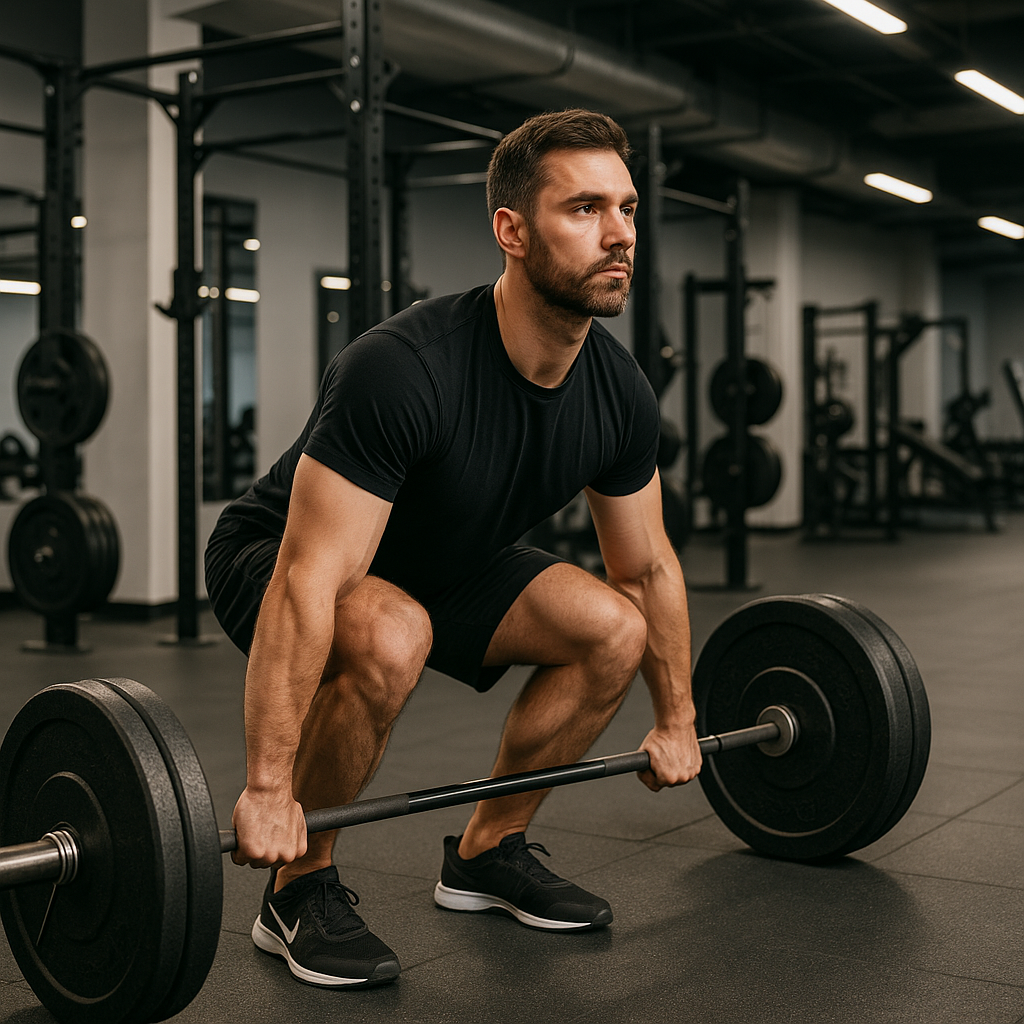
When people talk about lifting form, they usually jump straight to back position, bar path or bracing. Fair enough. But plenty of bad reps start lower down, right at the floor. If your footwear is unstable, soft or worn out, your setup can fall apart before the lift has even started.
In a serious gym, that matters. Whether you train for size, strength or both, your feet are the foundation of every squat, press, pull and machine movement that demands force. At The Muscle Pit, we see plenty of lifters who put real effort into training hard, but still overlook what they are standing in.
In October, this becomes even more relevant. Colder mornings in Dewsbury and across West Yorkshire can leave you feeling stiff, rushed and less switched on. Add wet weather, heavier layers and old trainers with too much cushioning, and your stability can take a hit. If you want proper form to prevent gym injuries, start at ground level.
Your feet set the platform for every lift
You cannot produce clean force through an unstable base. If the shoe rolls, compresses or shifts under load, the rest of your body has to compensate. That compensation often shows up as knees caving in, hips shifting, heels lifting or your torso losing position.
That is where problems begin.
For serious strength training and hypertrophy work, solid foot pressure helps you stay in control through the full rep. It is not just about moving weight. It is about moving it properly.
What poor footwear can do to your form
Bad footwear can cause:
- reduced balance under heavy loads
- poor pressure through the midfoot and heel
- unstable squats and leg presses
- sloppy deadlift starts
- wobbling on standing presses or lunges
- extra stress on knees, hips and lower back
That does not mean every lift needs specialist shoes. It does mean you should stop treating footwear like an afterthought.
The wrong shoes can quietly raise injury risk
One of the most common issues in commercial gyms is lifting in soft running trainers. They are built for absorbing impact while moving, not for creating a stable base under iron. Under a heavy barbell or loaded machine, the sole can compress and throw off your position.
When that happens, your body starts chasing balance instead of driving force.
If your goal is proper form that prevents gym injuries, look at what happens before the rep starts. Are you rooted into the floor, or are you sinking into foam? That single detail can change how safely you train.
This matters even more in an old-school gym setting where serious lifters are pushing hard on compounds, accessory work and progressive overload. In a proper strength environment, details count.
Signs your footwear is working against you
You may need to rethink your shoes if:
- your feet feel like they are rocking during sets
- your heels lift without meaning to
- your knees drift inward more as loads climb
- you struggle to feel planted on squats or presses
- your trainers are heavily worn on one side
- you feel less stable now that autumn weather has tightened you up
In October, many lifters in Dewsbury start pushing through colder starts and denser strength blocks. That is exactly when small setup issues become bigger problems.
Match the shoe to the lift
Not every session needs the same footwear. The main thing is understanding what the lift asks for.
For example, flat and firm shoes usually work well for deadlifts and many machine or upper body movements because they keep you close to the floor and stable. For some squat patterns, a raised heel can help lifters who need support getting into better position while keeping pressure through the foot.
The point is not to chase trends. It is to choose footwear that helps you train with control.
Ask yourself:
- does this shoe keep me stable under load?
- can I feel the floor properly?
- does it help me maintain clean rep mechanics?
- is it suited to strength work rather than casual wear?
That kind of thinking fits a disciplined fitness lifestyle. No gimmicks, no guesswork, just better training.
Autumn is the right time to check your lifting setup
October is when plenty of lifters reset their routine. Nights get darker, temperatures drop, and training either sharpens up or starts slipping. If you are serious about winter progress, now is the time to audit the basics.
Footwear is one of them.
A stable setup supports better training across bodybuilding, powerlifting and general heavy lifting. It helps you stay tighter on free weights, more controlled on machine work and more consistent from session to session. In a hardcore environment with proper equipment, that matters.
At our old-school 24/7 gym in Dewsbury, the focus is on real training. That means respecting the fundamentals that keep performance high and technique honest. If you are searching for a gym membership in Dewsbury because you want more than a soft commercial setup, you already know serious progress comes from getting the basics right.
Keep it simple and lift properly
You do not need to overcomplicate this. A few simple checks can clean up your setup fast:
- replace worn out trainers before they affect your lifts
- avoid thick, overly cushioned running shoes on heavy sessions
- keep a dedicated pair for strength work if needed
- test your balance before your working sets start
- pay attention to how your feet connect with the floor on every rep
For anyone training hard in West Yorkshire this autumn, that is practical advice worth following. Better foot stability often means better lifting mechanics, and better mechanics help reduce the kind of preventable gym injuries that sideline progress.
If you want a serious place to train, with proper free weights, specialist strength equipment and a hardcore atmosphere built for lifters, check out The Muscle Pit in Venice Beach Dewsbury. Get your setup right, train with intent, and build strength the old-school way.