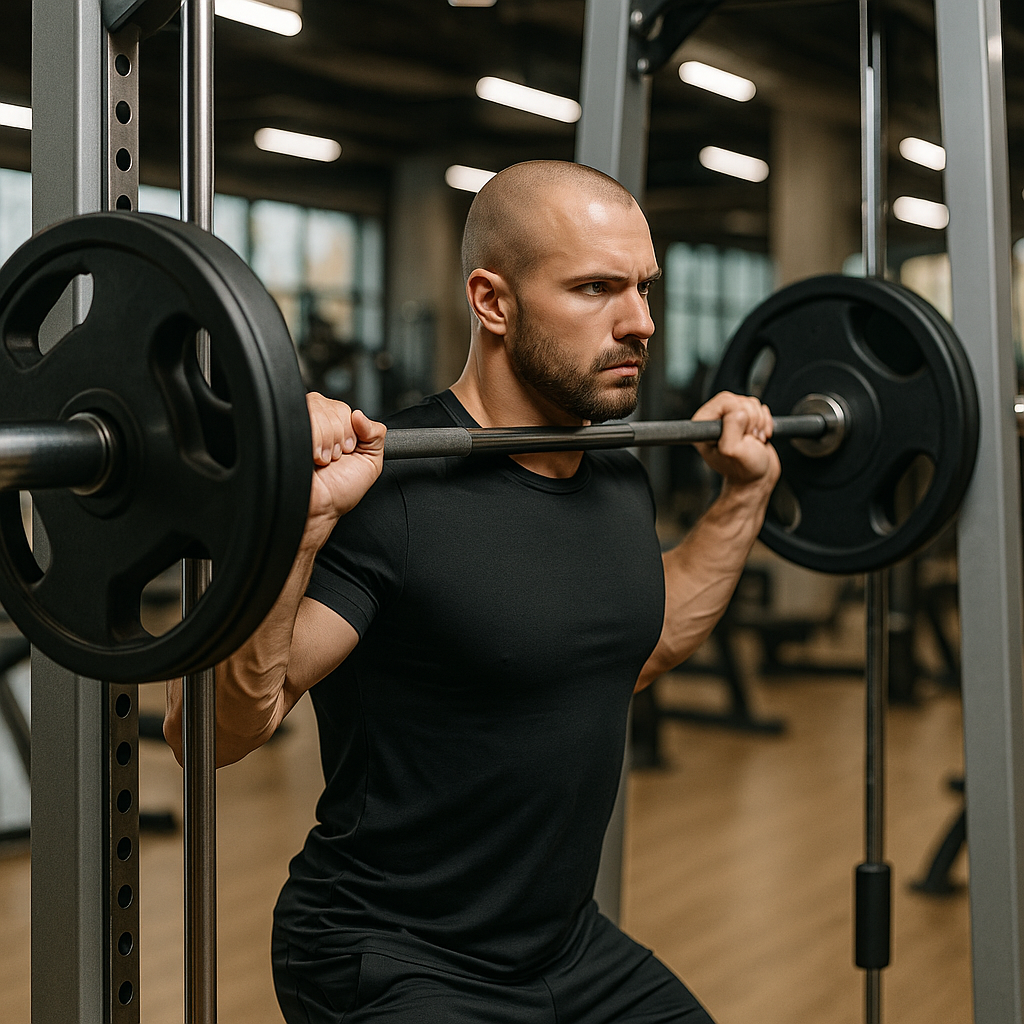
When the weather turns cold in Dewsbury, plenty of lifters start pushing harder. Bulking phases kick in, sleeves go on, and the heavy work starts piling up. That is exactly when sloppy technique becomes a problem. If you use the Smith machine properly, it can be a serious tool for building strength, size and control. If you use it badly, it can lock you into poor movement and beat up your joints.
At The Muscle Pit, Venice Beach Dewsbury, we know the difference. In a proper old-school gym, the aim is not to look busy. The aim is to train hard, train smart and stay in the game long enough to build a serious physique. That starts with form.
Why the Smith Machine Trips Lifters Up
A lot of people think a fixed bar path makes everything safer by default. It does not. The machine gives you structure, but it also removes the natural freedom you get with free weights. That means if your body position is off, the bar will not adjust to you. You have to adjust to it.
This is where many lifters go wrong in autumn, especially when early mornings feel colder and the body is not moving as well on the first few sets. They rush in, load plates on, and force reps through a path that does not fit their build.
Common issues include:
- standing too close or too far from the bar
- letting knees or elbows drift into bad positions
- bouncing the bottom of the rep
- cutting range of motion to chase heavier numbers
- relying on the machine instead of controlling the lift
Proper form prevents gym injuries because it keeps tension where it should be, on the target muscles rather than dumped into joints and connective tissue.
The Main Smith Machine Lifts That Need Tight Form
The Smith machine can be useful for presses, squats, split squats, lunges, rows and calf work. But each one needs proper setup.
Smith squats
The biggest mistake is trying to squat exactly how you would with a free bar. On a Smith machine, your foot position often needs adjusting slightly so the fixed path works with your mechanics. For many lifters, that means feet a bit forward rather than directly under the bar.
Keep your chest up, brace hard, and lower under control. If your heels lift or your lower back rounds, your setup is wrong or the weight is too heavy.
Smith bench and incline pressing
With pressing, the issue is usually bar path and shoulder position. Set the bench so the bar comes down where your structure is strongest, usually around the mid to lower chest for flat work, and slightly higher for incline work. Keep your shoulder blades pulled back and down, and do not let your elbows flare wildly.
Smith split squats and lunges
These can be brutal for hypertrophy, but they expose poor balance and lazy setup fast. Keep the front foot planted, the knee tracking in line with the toes, and the torso position consistent. Do not twist to chase reps.
How to Make the Smith Machine Safer This October
Autumn in West Yorkshire usually means colder starts, stiffer joints and more temptation to skip the basics. That is where trouble starts.
Here is a straightforward way to keep your lifting cleaner:
- Warm up before your top sets. Not just one token set. Build up gradually so your joints and movement pattern are ready.
- Set your body first, then unrack. Do not rush the hooks. Get your feet, shoulders or bench position right before the lift starts.
- Use a range you can own. If you cannot control the bottom position, you have no business adding more load.
- Slow down the lowering phase. You do not need to lift like a robot, but you do need control.
- Film a working set occasionally. What feels solid is not always solid.
- Stop forcing reps once positions break down. One ugly rep can cost weeks of training.
That is especially important in a 24/7 gym environment, where a lot of serious members train outside peak hours and need to hold themselves to a higher standard.
When to Use the Smith Machine and When Not To
There is a time for free weights and a time for machines. In a hardcore gym in Dewsbury, both matter. The Smith machine is not a replacement for proper barbell training, but it can be a strong tool when used with purpose.
It works well for:
- hypertrophy work after heavy compounds
- controlled sets close to failure
- lifters trying to reduce unnecessary wobble and focus on the target muscle
- higher volume leg and chest work
It is less useful when you are using it to hide poor technique, avoid learning proper movement, or pile load onto a pattern you cannot control.
Old-school training is about results, not shortcuts. Use the machine to sharpen your session, not to fake one.
Form First, Then Load
A serious training atmosphere does not mean reckless lifting. It means discipline. The strongest lifters in any proper gym understand that consistency beats chaos. If your Smith machine work is tight, controlled and properly set up, you can hammer strength and hypertrophy without needlessly battering yourself.
That matters even more heading into winter, when many dedicated gym-goers in WF13 1LD and across the wider West Yorkshire area start locking into longer strength blocks. The goal is simple. Stay healthy, keep progressing, and stack quality sessions week after week.
If you want a proper place to train with a hardcore atmosphere, serious equipment and round-the-clock access, take a look at The Muscle Pit in Dewsbury. If you are ready for real training in an old-school setting, see what The Muscle Pit is about and get yourself into an environment built for lifters who mean it.