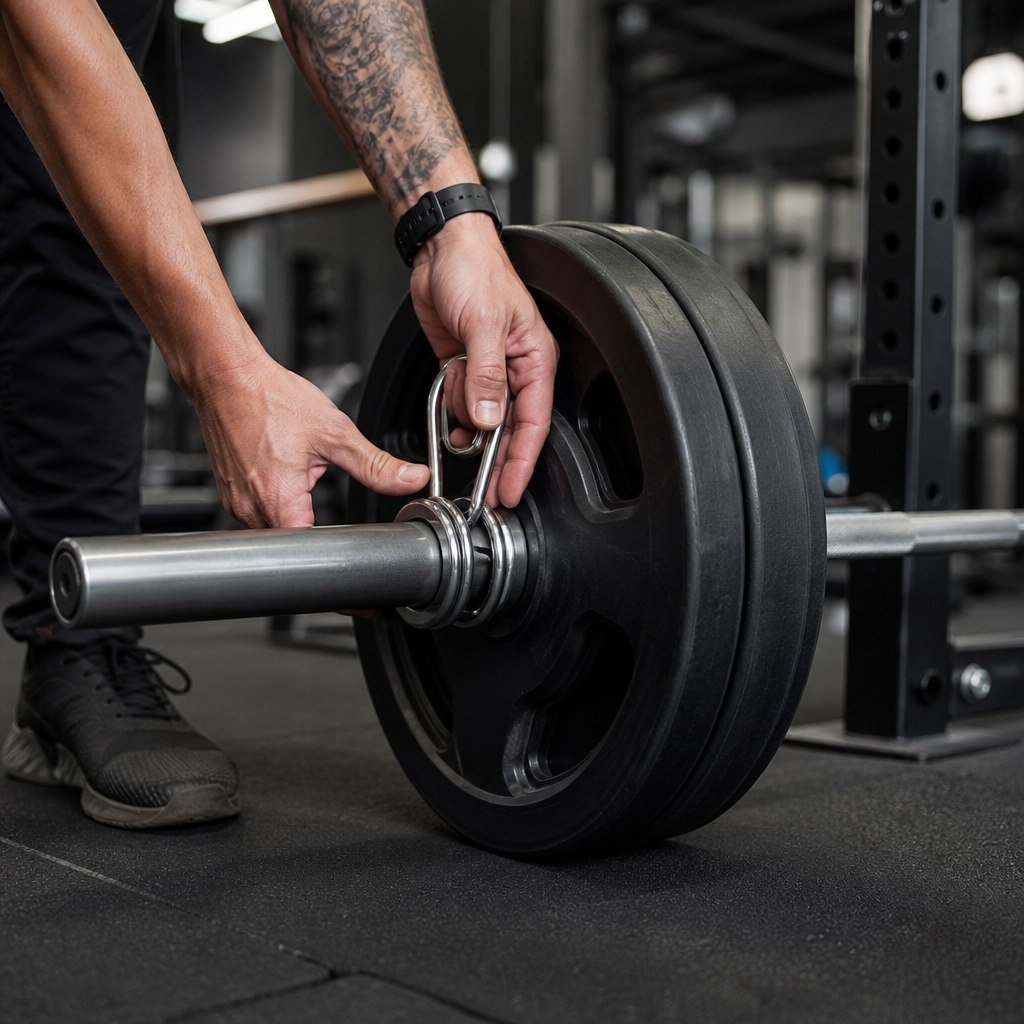
When the weather turns colder in November, bars feel sharper in the hands, plates can be damp from the walk in, and sloppy setup gets exposed fast. Most lifters spend plenty of time thinking about sets, reps and load. Not enough think about one small detail that can save a session from turning dangerous, collars and clips.
In a serious gym, basics matter. If you train hard, especially during heavy strength training and bodybuilding work, securing the bar properly is not optional. At The Muscle Pit, Venice Beach Dewsbury, old-school 24/7 gym, that old-school mindset still stands. Respect the weight, set up properly, and earn your progress.
Why collars matter more than most lifters realise
A loose plate does not always slide off dramatically. Sometimes it shifts just enough to pull you out of position. That small movement can throw off balance, alter bar path, and force a bad rep before you even know what happened.
This matters even more on heavy sessions built around free weights and specialist strength equipment. Whether you are chasing size, building a bigger total, or sharpening discipline before winter really bites, secure loading keeps the lift honest.
Collars and clips help by:
- keeping plates tight to the sleeve
- reducing side-to-side movement during the set
- helping balance on uneven reps
- making walkouts, carries and presses more stable
- cutting down the risk of distractions when lifting heavy
For serious gym members in Dewsbury, this is not overthinking. It is part of lifting properly.
When you should always use collars and clips
Some lifters get lazy and only use them when the bar looks heavily loaded. That is the wrong approach. Plate movement can happen with moderate loads too, especially when reps get faster than they should.
Lifts where collars should be standard
Use them as a rule on:
- squats and box squats
- bench press and close-grip pressing
- overhead press
- deadlift variations where plates may shift between reps
- barbell rows
- hip thrusts
- lunges and split squat setups with a barbell
- loaded carries using barbells or plate-loaded kit
If the plates can move, lock them in. That is the simple rule.
Times extra care matters in November
Autumn and early winter in Dewsbury bring colder starts, wetter gear and stiffer hands. If you are training late at night or early morning with 24/7 gym access, you cannot assume every setup will feel perfect straight away. Check your collars before your working sets, not halfway through them.
Common mistakes that make secured bars less safe
Using collars is one thing. Using them badly is another. A rushed setup can be nearly as bad as no setup at all.
Mistake 1, clipping over loose plates
Push the plates flush first. If there is a gap, the collar only locks in the problem. Plates should sit snug before the clip goes on.
Mistake 2, not checking the collar type
Different bars and machines can suit different clip styles. If a collar feels loose on the sleeve, do not force confidence where there is none. Swap it out and use one that grips properly.
Mistake 3, assuming both sides are equal
After loading one side, lifters often get distracted. Then one collar ends up tight and the other barely fastened. Before every heavy set, look at both ends of the bar. Not one. Both.
Mistake 4, forgetting to recheck after warm-up sets
Warm-up sets can loosen things slightly, especially if you move the bar, drag a bench, or reset your station. Take five seconds and check again before top sets.
A better setup routine before heavy work
Hardcore training does not mean rushed training. The strongest lifters usually have the most disciplined setup.
Use this quick routine before your working sets:
- Load plates evenly and check the weight twice.
- Push each plate fully in against the stack.
- Fit the collar or clip securely.
- Tug it lightly to make sure it is locked.
- Check the other side matches.
- Roll or lift the bar slightly and listen for unwanted plate movement.
- Start the set only when the setup feels solid.
That routine is not glamorous, but it keeps training consistent. In an old-school gym culture, consistency beats carelessness every time.
Collars, control and serious progress
A secure bar will not fix bad training, but it does remove one avoidable problem. That matters when you are focused on hypertrophy, powerlifting, or physique development. The more stable the setup, the more you can focus on clean execution and effort.
This is especially useful during long autumn strength phases, when lifters in West Yorkshire start pushing food up, training harder and preparing for winter progress. If your environment is serious, your habits should be serious too.
For bodybuilders, collars help keep tension where it belongs instead of letting the bar wobble around. For strength athletes, they help create a more repeatable setup from set to set. For anyone training alone at odd hours, they are one more layer of common sense.
Build disciplined habits that last all year
The best lifters are not only judged by what they lift. They are judged by how they carry themselves in the gym. Secure your kit. Respect the station. Train with intent.
That is what separates casual effort from a disciplined fitness lifestyle. In a proper gym membership in Dewsbury, details still count. The atmosphere should push you, but it should also sharpen your standards.
If you want a serious place to train, with proper equipment, a hardcore atmosphere and the freedom to put the work in any time of day, check out The Muscle Pit. If you are ready for old-school training done properly, The Muscle Pit in Dewsbury is ready for you.