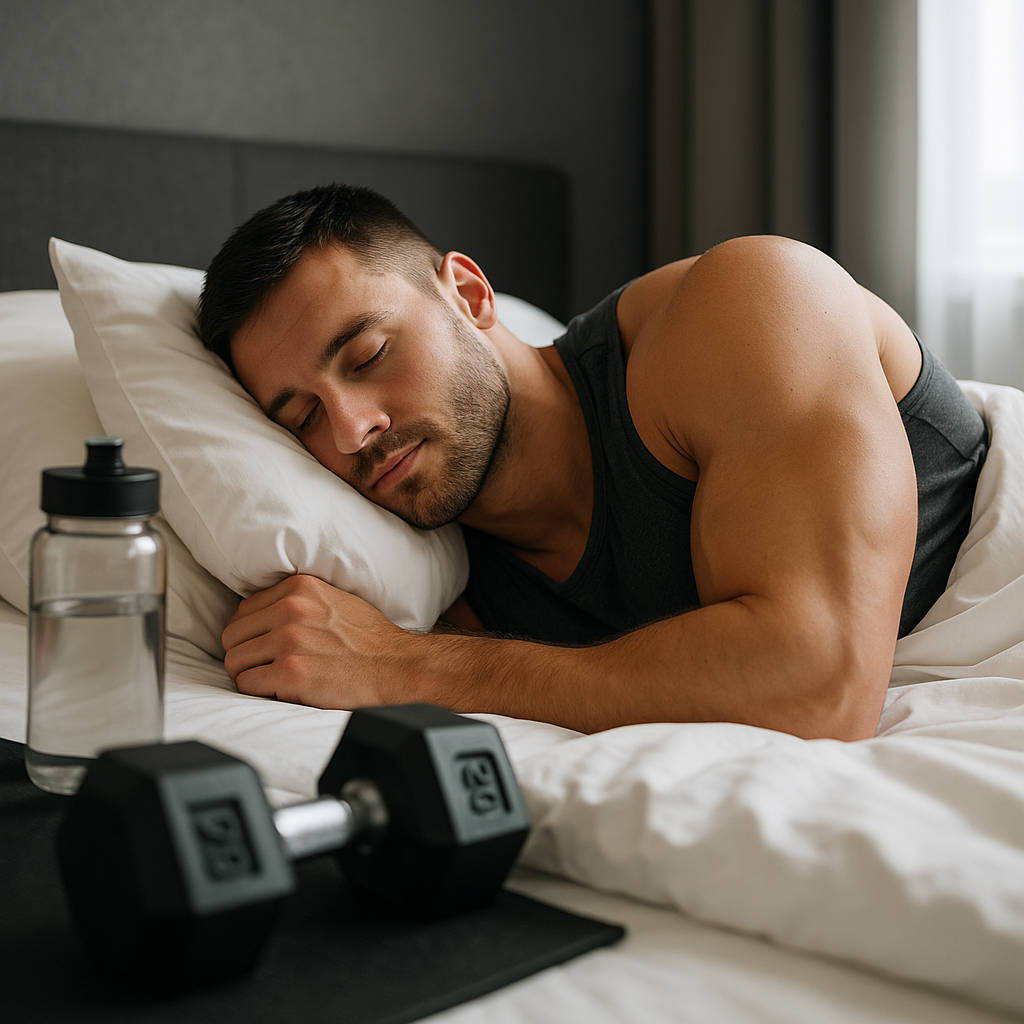
If you train hard, sleep is not optional. It is part of the job. You can smash heavy sessions, eat clean, hit your protein, and still hold yourself back if your sleep is poor. For anyone serious about size, strength and performance, muscle recovery and growth starts long before your next session. It starts when your head hits the pillow.
At The Muscle Pit in Dewsbury, we see plenty of lifters who put everything into their training but overlook the one thing that helps the body rebuild properly. In June, when the nights stay lighter, the weather gets warmer and routines get thrown off by holidays or busy weekends, sleep can take a hit. That matters more than most people realise.
Why Sleep Matters for Serious Lifters
When you train with intent, whether that is bodybuilding, powerlifting or straight-up strength and conditioning, you create stress in the muscles. That is the point. Training breaks the body down so it can come back stronger. But the rebuilding does not happen while you are under the bar. It happens during recovery.
Sleep is when the body gets to work.
During quality sleep, your body supports:
- muscle tissue repair
- hormone regulation
- glycogen restoration
- nervous system recovery
- mental focus for your next session
If your sleep is patchy, short or poor quality, recovery slows down. That can mean lingering soreness, weaker sessions, stalled lifts and a higher chance of sloppy reps when fatigue kicks in. That is where problems start.
The Link Between Sleep and Muscle Growth
Growth happens when recovery is good
A proper training programme only works if the body can adapt to it. Sleep supports the hormonal environment needed for that adaptation. This includes testosterone production and natural growth hormone release, both of which matter when your goal is muscle gain and physique development.
Miss enough sleep and you can end up with:
- reduced training performance
- slower muscle repair
- lower motivation
- worse recovery between sessions
- more cravings and poorer food choices
That combination is a bad setup for anyone trying to build size or add strength.
Poor sleep can wreck your training quality
One bad night will not ruin your progress, but repeated poor sleep can drag everything down. Your concentration drops, your patience goes, and your form can get loose. In an old-school gym built around free weights, resistance machines and serious effort, that matters. You need control, discipline and focus every time you train.
That is one reason serious gym-goers in West Yorkshire should treat sleep like part of the programme, not an afterthought.
How Much Sleep Do You Actually Need?
Most adults who train hard should aim for 7 to 9 hours a night. If you are pushing high-volume bodybuilding sessions, heavy compound lifts, or regular strength and conditioning work, being at the lower end too often is not ideal.
The key is not just hours. It is consistency and quality.
Ask yourself:
- Are you going to bed at roughly the same time?
- Are you waking up feeling recovered?
- Are your lifts stalling for no clear reason?
- Are you relying on caffeine to get through every session?
- Are you feeling beaten up for days after training?
If the answer is yes to a few of those, your recovery habits need attention.
Common Summer Sleep Problems for Lifters
June brings longer days, warmer bedrooms and disrupted routines. In and around WF13 1LD, plenty of lifters are also balancing work, travel and social plans. That can make sleep harder to lock in.
The main issues this time of year
- Bedrooms getting too warm at night
- Lighter evenings delaying sleep
- Holiday plans disrupting meal and sleep routines
- Late-night training sessions followed by screen time and stimulants
None of that is unusual, but if you want proper muscle recovery and growth, you need to get on top of it.
Simple Ways to Sleep Better and Recover Harder
You do not need fancy tricks. You need habits that work.
Keep it basic and consistent
- Go to bed and wake up at similar times every day
- Keep your room cool, dark and quiet
- Cut down screen time before bed
- Avoid heavy caffeine too late in the day
- Finish big meals with enough time to digest
- Keep pre-bed routines simple and repeatable
If you train late because 24/7 access suits your schedule, make sure you still allow time to wind down afterwards. That matters just as much as the session itself.
For lifters looking to train seriously at all hours, have a look at our gym memberships and see how The Muscle Pit supports proper training around real life.
Sleep, Injury Risk and Long-Term Progress
There is another side to this. Tired lifters make poor decisions. They rush warm-ups, lose tightness, and let technique slip under fatigue. Over time, that increases your risk of avoidable setbacks.
If you want to keep progressing with free weights and resistance equipment, your body and your head both need to be switched on. Good sleep helps with reaction time, coordination and training discipline. That is what keeps sessions productive and safe.
A hardcore gym atmosphere is built on effort, but smart effort lasts longer than ego. If you are serious about staying strong year-round, recovery has to be treated with the same respect as your programme.
If you want to know more about the training environment and what we offer serious lifters in Dewsbury and across West Yorkshire, take a look at our bodybuilding and strength training facilities.
Train Hard, Recover Properly
Sleep is one of the most powerful tools you have for building muscle, recovering well and keeping performance high. It costs nothing, but too many lifters ignore it. If your goal is more size, better strength and consistent progress, stop treating sleep like dead time. It is when the work pays off.
If you want to train in a serious old-school environment that understands what real progress takes, get in touch with The Muscle Pit in Dewsbury. We are built for lifters who want more than a commercial gym and are ready to train properly.