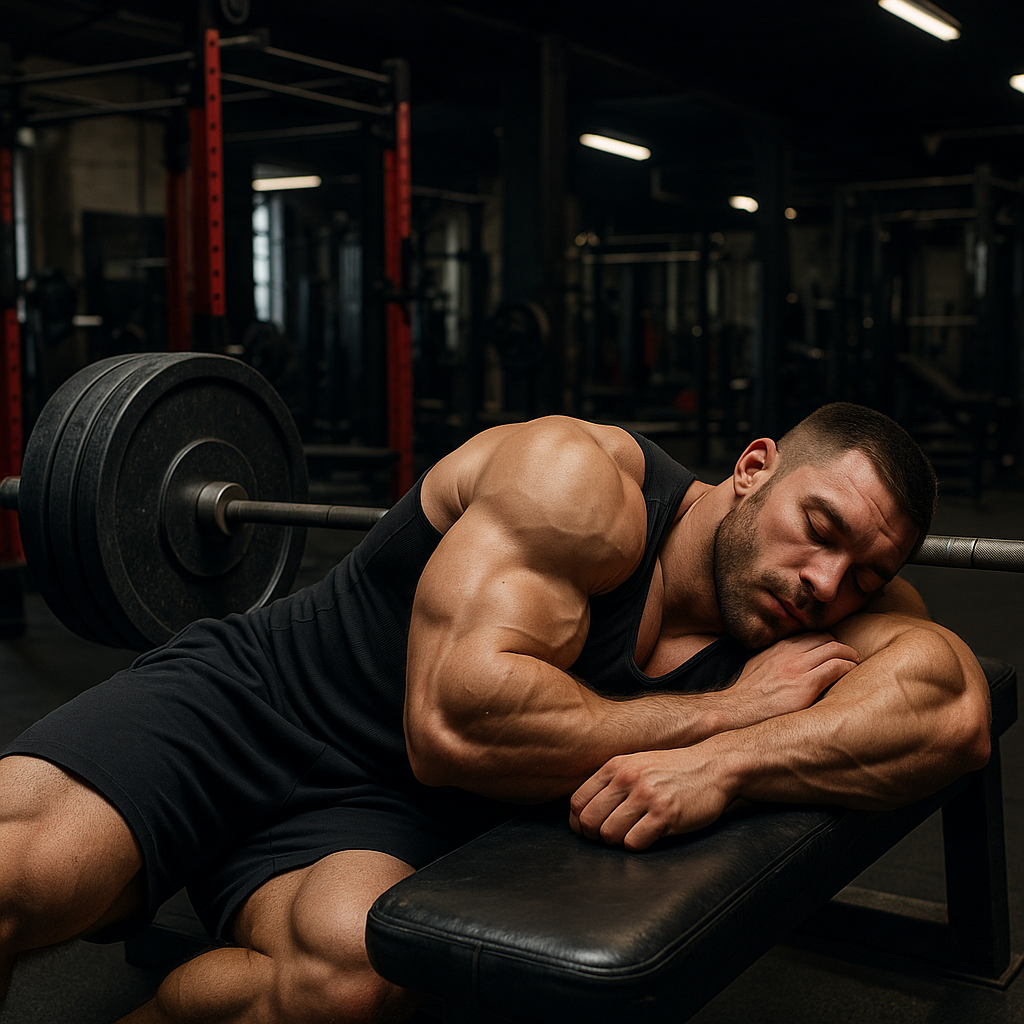
If you train hard but sleep badly, you are leaving muscle on the table. It is that simple. Plenty of lifters in Dewsbury hammer the weights, chase bigger numbers and stick to their food, then wonder why progress stalls. The answer is often not in another set, another supplement or another flashy routine. It is in bed.
When people ask how much sleep do you need for muscle growth, the straight answer is this, most serious lifters need 7.5 to 9 hours a night. Some can scrape by on 7 for short spells, but if you want proper recovery, better performance and steady size gains, 8 hours is a solid target.
At The Muscle Pit, we see plenty of dedicated members using 24/7 access to train around shifts, early starts and summer schedules. That flexibility is a weapon, but only if you manage recovery properly. In June, with warmer nights, disrupted routines and holidays creeping in, sleep can take a hit fast.
Why Sleep Matters for Building Muscle
Muscle is not built while you are curling in front of the mirror. It is built when your body recovers from hard training. That means repairing muscle tissue, restoring energy stores and getting your nervous system ready for the next session.
Good sleep supports:
- muscle repair after heavy training
- hormone balance linked to recovery and growth
- better training performance and focus
- improved coordination and lifting control
- reduced fatigue, which helps proper form prevent gym injuries
That last point matters. When you are tired, your setup gets sloppy, your bracing goes soft and your rep quality drops. On big lifts with free weights, that is where trouble starts. In an old-school gym environment, discipline is everything. Sleep is part of that discipline.
How Much Sleep Do You Need for Muscle Growth?
For most adults serious about bodybuilding, strength and conditioning, the best range is:
- 7.5 hours minimum if you train regularly
- 8 hours ideal for most lifters
- Up to 9 hours during heavy phases, high-volume training blocks or calorie deficits
If you are smashing brutal leg sessions, running a demanding job and training late at night, 6 hours will not cut it for long. You might survive on it, but you will not thrive on it.
More Training Usually Means More Sleep
The harder and more often you train, the more recovery you need. A lifter following a serious bodybuilding training programme with heavy compounds, accessory volume and proper intensity will need more sleep than someone doing the odd machine circuit.
If your training includes:
- heavy squats, presses and deadlifts
- high-volume hypertrophy sessions
- frequent sessions across the week
- physically demanding work outside the gym
then your sleep needs are likely higher, not lower.
Signs You Are Not Sleeping Enough
You do not need a lab test to spot poor recovery. Common signs include:
- strength dropping for no clear reason
- pumps feeling flat and sessions dragging
- poor concentration under the bar
- slower progress in muscle gain and physique development
- constant soreness that hangs around too long
- more small aches from rushed or loose technique
If those boxes are ticked, look at your sleep before blaming your programme.
Sleep and Injury Risk in Serious Training
A lot of gym injuries are not caused by one freak accident. They build from repeated poor reps, bad positioning and fatigue. This is where sleep and technique are closely linked.
When you are under-recovered, you are more likely to:
- cut depth short
- lose tightness on compound lifts
- rush your setup
- misgroove bar path
- ignore warning signs from joints and soft tissue
That is why proper form prevents gym injuries, but proper recovery helps you keep that form when the weight gets heavy. One without the other is half a job.
In a serious training atmosphere like ours, the goal is not just to lift hard. It is to lift hard for years.
How to Sleep Better When Summer Disrupts Your Routine
June can throw off recovery more than people expect. Brighter evenings, warmer bedrooms, holidays and odd work cover all chip away at sleep quality. If you are training in West Yorkshire through summer, tighten the basics.
Keep These Habits Simple and Consistent
- Go to bed and wake up at roughly the same time every day
- Keep your bedroom cool, dark and quiet
- Stop scrolling on your phone right before bed
- Avoid heavy caffeine late in the day
- Finish big meals with enough time to settle before sleep
- If you train late, give yourself time to wind down instead of going straight from deadlifts to bed
If you use a 24/7 gym, be smart with timing. Just because you can train at midnight does not mean you always should. Use that flexibility to support your life, not wreck your recovery. If you want to make the most of 24/7 gym access in Dewsbury, build your sessions around a routine that still lets you get enough sleep.
Can You Build Muscle on Less Sleep?
Yes, for a while. Plenty of lifters do. Shift workers, parents, lads on early starts, they all make do when they have to. But there is a difference between making progress and getting the best results your effort deserves.
If sleep drops below 7 hours regularly, expect compromises:
- slower muscle recovery
- weaker training sessions
- reduced consistency
- more mental fatigue
- a greater chance of technique breaking down
That does not mean you pack it in. It means you get sharper with the things you can control. Train with intent. Keep your programme focused. Nail your food. Avoid junk volume. If needed, get help from bodybuilding training programmes built for real progression rather than guesswork.
The Bottom Line
So, how much sleep do you need for muscle growth? For most serious lifters, 8 hours a night is the sweet spot, with 7.5 to 9 hours being the range where real recovery happens.
If you want better strength, better size and fewer setbacks, stop treating sleep like an afterthought. It is part of the programme. In a hardcore fitness community, the basics still matter most. Train hard, eat properly, recover properly, repeat.
If you are after a no-nonsense place to train in WF13 1LD, with proper kit, serious atmosphere and members who actually want results, The Muscle Pit is built for it. Get in touch and see why lifters across Dewsbury and West Yorkshire choose us for real training and real progress.