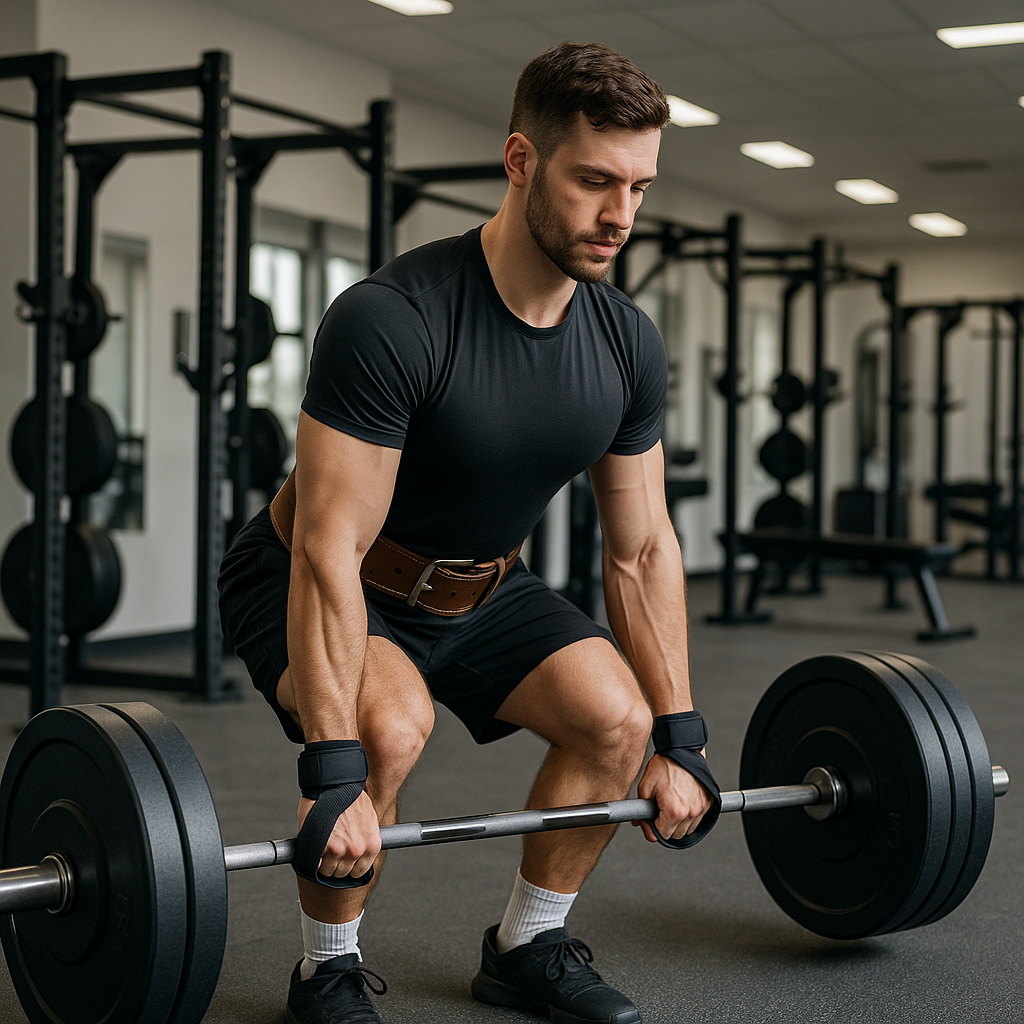
In a serious gym, accessories should help you train harder, safer and longer. They should not become a crutch. If you are lifting in Dewsbury this summer, sweating more, pushing hard and chasing strength or size before holidays and events, this matters even more. When hands get slick, fatigue builds faster and focus drops, the wrong use of straps, belts or sleeves can cover up bad habits instead of fixing them.
At The Muscle Pit, Venice Beach Dewsbury, the mindset is simple. Earn your lifts, respect the basics and keep your technique tight. That is how you build real strength and keep yourself in the game.
Why accessories can help or hurt
Used properly, lifting kit supports performance. Used badly, it hides weak links and encourages sloppy movement. For lifters focused on bodybuilding, hypertrophy or powerlifting, that is a problem.
Proper form prevents gym injuries, but only if you stay honest. A belt will not save a deadlift with a rounded back. Straps will not fix lazy grip training all year round. Knee sleeves will not sort out poor squat tracking.
In an old-school gym culture, tools have a place. They just come after solid movement, not instead of it.
The main accessories and when to use them
Lifting belts
A belt can be a strong tool for heavy compound lifts, especially on top-end sets of squats, deadlifts and presses. It gives you something to brace against, which can improve trunk stability when used properly.
Use a belt when:
- you are working on heavy sets close to your limit
- your bracing is already well practised
- the goal is maximum output on key lifts
Do not use a belt for every warm-up set or every machine exercise. If you cannot brace without one, the problem is not the belt. The problem is your setup.
Straps
Straps are useful when grip is the limiting factor but the target muscle is still fresh. They are especially handy for heavy rows, Romanian deadlifts and high-volume back work.
Use straps when:
- your grip is failing before your back or hamstrings
- you are deep into hypertrophy work
- you still train grip separately and honestly
If every pulling movement starts with straps from set one, you are dodging weakness. In strength training and hypertrophy, weaknesses need work, not excuses.
Knee sleeves and wrist wraps
Sleeves and wraps can add support, warmth and confidence on big lifts. In June, when some lifters rush in and train fast between work, travel or weekend plans, that little bit of structure can help.
Still, they are support tools, not magic. If your knees cave in on every squat rep, sleeves are not the answer. If your wrists fold back on pressing, wraps might help, but your bar position and hand placement still need sorting first.
Signs your accessories are hiding bad technique
This is where honest self-assessment matters. Proper form prevents gym injuries when you face problems early rather than covering them up for months.
Watch out for these red flags:
- You feel unstable without your belt on moderate weights.
- Your deadlift setup changes completely once straps go on.
- Your squat depth varies depending on what gear you wear.
- You never train lighter sets with clean, controlled form.
- Small aches keep returning, especially in the lower back, knees or shoulders.
If any of those sound familiar, strip things back. Reduce the load, film your lifts and clean up the movement.
How to keep accessories working for you
Build the base first
Before adding equipment, make sure your technique is repeatable. That means:
- setting your feet properly
- bracing hard before the rep starts
- controlling the eccentric
- keeping a consistent bar path
- finishing each rep with intent, not panic
That is the stuff that holds up under heavy lifting. In a serious training atmosphere, basics are not boring. Basics are what keep you progressing.
Match the tool to the job
Not every session needs full kit. If the goal is volume, straps may make sense on later sets. If the goal is a top-end squat, a belt may be worth using. If the goal is movement quality, go lighter and leave most of it in your bag.
A disciplined fitness lifestyle means knowing why you are using something, not just copying the strongest person in the room.
Summer training in Dewsbury, keep your standards high
Warmer weather in West Yorkshire can make sessions feel harder than expected, especially in a hardcore free weights gym where the work is real and the atmosphere is serious. More sweat, more fatigue and disrupted routines from holidays can all chip away at concentration.
That is exactly when standards matter most. Wipe your hands. Reset between sets. Take the extra minute to brace properly. Do not let rushed summer sessions turn heavy training into careless training.
For members using 24/7 gym access in Dewsbury, there is no need to cram training into the busiest or most chaotic part of the day. Train when you can focus, move properly and give the session the respect it deserves.
Real progress comes from clean reps and honest lifting
Serious lifters know the difference between looking strong and being strong. Accessories have their place in bodybuilding and powerlifting, but they should sharpen your training, not cover poor movement.
If you want to build strength, size and durability, stay ruthless with your standards. Use belts, straps and sleeves when they serve the lift. Drop them when they hide the truth. Proper form prevents gym injuries, and that matters far more than pretending a messy rep still counts because the weight moved.
If you want a proper old-school place to train in WF13 1LD, with specialist equipment, a no-nonsense atmosphere and members who take lifting seriously, check out The Muscle Pit in Dewsbury. Join the gym and train the right way.