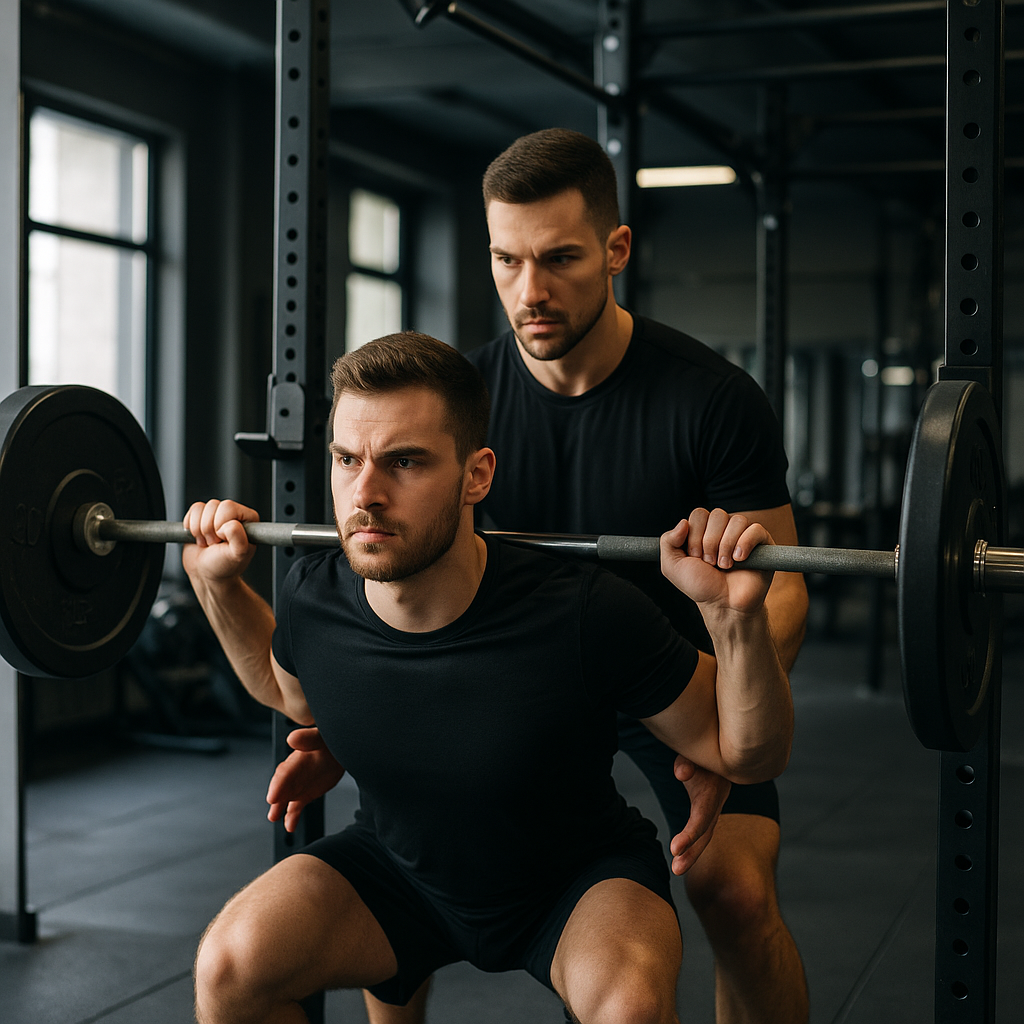
When the weather heats up in June, plenty of lifters in Dewsbury start pushing harder. Some want to lean out for summer, some want to keep size while routines get disrupted by holidays, and some simply fancy loading more plates because energy feels high. That is usually when squat form starts slipping.
A bad squat does not always go wrong in one dramatic moment. More often, it breaks down rep by rep. Knees cave in, heels lift, depth turns inconsistent, and the lower back starts taking stress it should never be handling alone. If you are serious about strength training and staying in the game long term, proper form prevents gym injuries far better than trying to patch things up after the damage is done.
At The Muscle Pit, Venice Beach Dewsbury, old-school training still means earning your lifts properly. Heavy squats are a cornerstone of bodybuilding, hypertrophy work, and powerlifting, but only when technique is solid from the first rep to the last.
Why squat form breaks down in summer
June brings a different rhythm. People train around weekends away, later nights, hotter sessions, and a more stop-start schedule. Even serious lifters can get caught rushing their lower body work.
That matters because squats punish sloppy set-up more than most lifts. If your stance is off, your bracing is weak, or you dive straight into heavy work without checking your movement, the bar exposes it fast.
Common summer causes of squat breakdown include:
- training after poor sleep from hot nights
- rushing sessions before travel or social plans
- skipping lighter build-up sets to save time
- underestimating how fatigue affects bracing and balance
- chasing numbers instead of clean reps
In a serious gym environment, there is nothing wrong with lifting heavy. The problem starts when your ego moves faster than your mechanics.
The squat faults that usually cause trouble
If you want to keep progressing with heavy lifting, you need to spot the weak points early. Proper form prevents gym injuries because it keeps force where it belongs, through the legs, hips, trunk, and stable feet, instead of dumping stress into the knees or lower back.
1. Losing upper body tightness
A squat starts before you unrack the bar. If your upper back is loose, elbows are all over the place, and your brace is half-hearted, the whole lift becomes unstable.
What it looks like:
- chest collapsing out of the hole
- bar path drifting forward
- lower back overworking to save the rep
Fix it by pulling yourself tight under the bar, locking your ribs down, and treating the unrack like part of the set, not a pause before it.
2. Heels coming off the floor
If your heels lift, your force transfer is poor. That usually means trouble with balance, ankle mobility, or stance.
What it looks like:
- rocking forward at the bottom
- knees shooting too far ahead without control
- reduced power coming out of the hole
Fix it by rooting your feet hard into the floor and keeping pressure spread through heel, big toe, and little toe. Do not let the floor beat you.
3. Knees collapsing inward
This is one of the clearest signs that your squat is leaking strength. It can come from weak glute engagement, poor foot stability, or loading weight you cannot control.
What it looks like:
- knees drifting in as you drive up
- hips shifting unevenly
- reps looking different from side to side
Fix it by setting your feet properly, screwing them into the floor, and driving the knees in line with the toes throughout the rep.
A simple squat check before you go heavy
You do not need gimmicks. You need a repeatable process. Before your top sets, run through this:
- Set your feet first. Find a stance that lets you hit depth without losing balance.
- Brace hard before every rep. Big breath into the trunk, lock it in, then move.
- Control the descent. Do not dive-bomb and hope for the best.
- Stay stacked at the bottom. Keep chest and hips working together.
- Drive up through the floor. Push evenly and finish with control.
That is how proper form prevents gym injuries in real training, not through soft talk, but through discipline under the bar.
Why serious lifters should film their squat
If you train alone, especially with 24/7 gym access in Dewsbury, filming your working sets can save months of frustration. What feels strong is not always what looks tight.
A quick side view and rear angle can help you catch:
- forward bar drift
- uneven hip movement
- shallow depth
- foot instability
- loss of brace under fatigue
The best lifters are not afraid to analyse their mechanics. They want the truth, because the truth builds bigger totals and better physiques.
Squat form matters for size as much as strength
Plenty of lifters think squat technique only matters if they compete. That is nonsense. If your squat is unstable, your quads never get the clean workload they should, your glutes do not fire properly, and your lower back ends up doing too much.
For bodybuilding and physique development, clean squat mechanics help you place tension where you actually want growth. For powerlifting, they help you move more weight with less wasted energy. Either way, good execution beats ugly reps every time.
In an old-school gym, this is standard. You earn progression by mastering basics, not by inventing excuses.
Train harder by training cleaner
If you are pushing strength and hypertrophy work this summer in WF13 1LD, now is the time to tighten your squat before small faults become setbacks. June is when routines get messy, but disciplined lifters do not let standards slide.
At The Muscle Pit, serious members come to train with proper free weights, specialist strength equipment, and a no-nonsense atmosphere built for real progress. If you want a hardcore place to sharpen your lifts, build muscle, and train properly at any hour, have a look at The Muscle Pit old-school 24/7 gym in Dewsbury.
Ready to train in a gym that respects proper lifting? Visit The Muscle Pit and see why serious lifters from Dewsbury and across West Yorkshire make the trip.