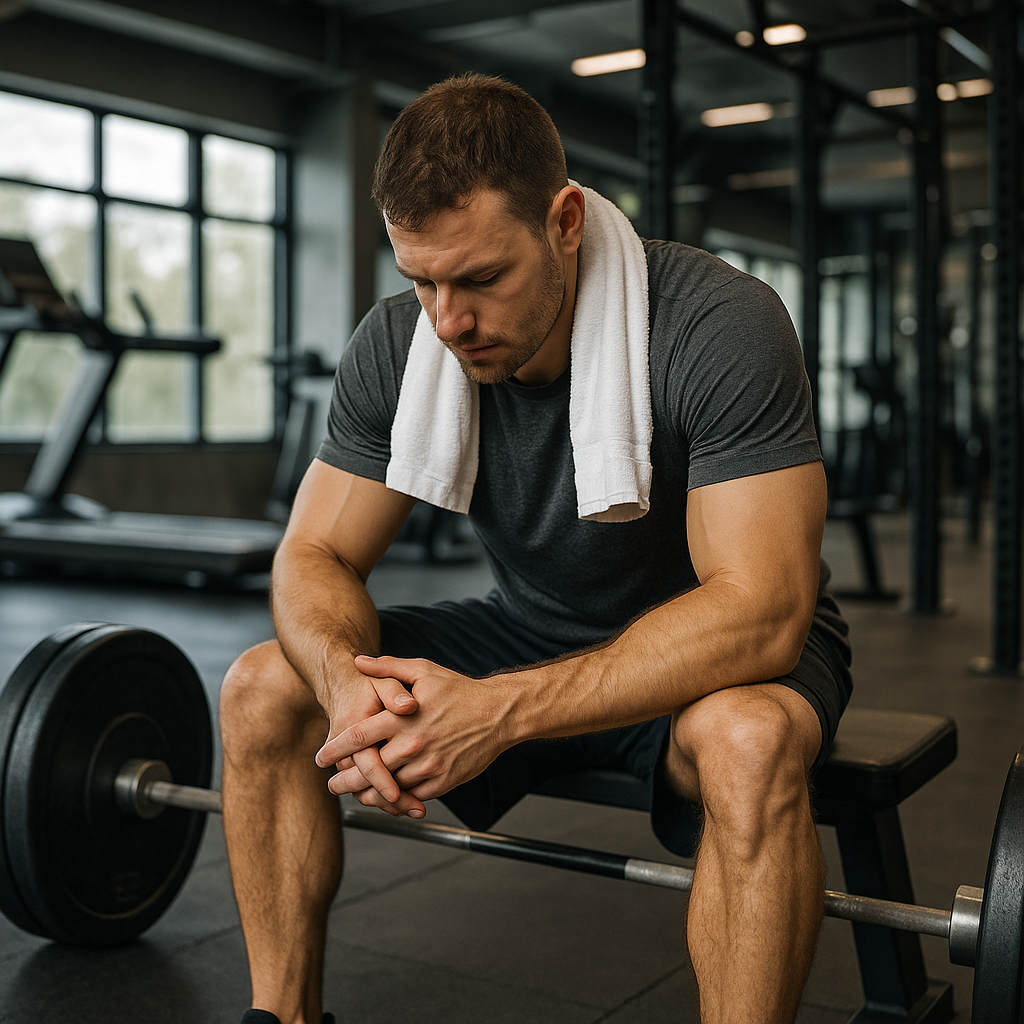
When the weather warms up in July, plenty of lifters make one mistake that wrecks both performance and technique. They rush their rest periods. The gym feels hot, schedules get messy, and people try to smash through sessions faster before work, before a weekend plan, or before heading off on holiday. That is exactly when form starts slipping.
For serious training, proper form prevents gym injuries, but good form does not just come from knowing how to lift. It also comes from being recovered enough between sets to repeat the same movement properly. If your breathing is all over the place, your brace is weak, and your focus has gone, your next heavy set is already compromised.
At The Muscle Pit, Venice Beach Dewsbury, the old-school mindset is simple. You earn progress by training hard, but you train smart enough to come back stronger tomorrow. In a proper strength and bodybuilding gym in Dewsbury, rest times are not laziness. They are part of the work.
Why rushed sets lead to sloppy lifting
A lot of injuries in the gym do not happen because someone suddenly forgot technique. They happen because fatigue changed the lift.
In summer, this gets worse. You may be sweating more, sleeping a bit less, travelling more at weekends, or training at odd hours. Even with 24/7 gym access, there is a temptation to get in, get it done, and move on. The problem is that heavy lifting does not care about your rushed schedule.
If you cut rest too short, a few things happen fast:
- Your breathing stays elevated, which makes bracing harder
- Your grip and upper back tension start to fade
- Your bar path becomes less consistent
- Your set-up gets lazy because you want the set over with
- Your judgement drops, so you load weight your body is not ready to handle
That is where proper form prevents gym injuries in real life, not just in theory. The lifter who takes enough time to reset their body and their head usually lifts better than the one chasing speed for the sake of it.
How long should you rest between sets?
There is no magic number for every exercise, but there are solid guidelines if your goal is serious progress without breaking yourself down.
For heavy compound lifts
On squats, deadlifts, bench press, overhead press, rows, and other demanding free weight movements, give yourself enough time to recover properly. For most lifters, that means around 2 to 5 minutes, sometimes longer on top sets.
If your breathing is still ragged and you cannot create full-body tightness, you are not ready.
For hypertrophy and accessory work
For bodybuilding-style work, rest periods can be shorter, usually around 60 to 90 seconds, sometimes 2 minutes on harder movements. The aim is still control. You want tension on the target muscle, not flapping reps and ugly compensations.
If your technique breaks down because you are chasing a pump and not controlling the rep, you are turning muscle-building work into joint stress.
Signs you are not resting long enough
A serious gym atmosphere teaches you to be honest with yourself. Not every poor set means you need more aggression. Sometimes you just need more recovery before the next attempt.
Watch for these warning signs:
- Your first rep feels out of groove straight away
- You cannot brace your trunk properly before the lift
- You are still light-headed or short of breath under the bar
- Your feet, hand placement, or bench position keep changing
- The same weight suddenly feels technically messy, not just difficult
That last one matters. Heavy training should feel hard. It should not feel reckless.
Summer training in Dewsbury means managing more than the bar
July in West Yorkshire often means warmer sessions, disrupted routines, and more people juggling work, family, and holidays. Even serious lifters in Dewsbury can end up under-recovered without realising it.
That is why rest periods matter even more this time of year. If you are training after a long shift, after being out in the sun, or after poor sleep, your recovery between sets may need to be a bit longer than usual. That is not weakness. That is using your head.
In an old-school gym culture, discipline is not just adding plates. It is knowing when to slow down so the lift stays clean. Whether you are focused on powerlifting, hypertrophy, or physique development, patience between sets can save you months of frustration.
How to use rest periods properly
A rest period is not dead time. Use it well and your next set will be stronger and safer.
What to do between heavy sets
- Control your breathing until it settles
- Recheck your set-up cues
- Chalk up or adjust kit if needed
- Mentally rehearse the first rep
- Make sure the last set's error gets corrected before the next one
What not to do between heavy sets
- Rush back under the bar to prove a point
- Spend the whole rest staring at your phone
- Chat so long that you cool off completely
- Add weight emotionally after a rough set
The best lifters in serious gyms do the basics well, over and over again. That includes recovering with purpose.
Better lifting habits build long-term progress
A lot of members join a hardcore gym because they want proper equipment, a serious atmosphere, and the freedom to train without nonsense. That only works if your habits match the environment.
When proper form prevents gym injuries, it is usually because the lifter respected the whole process. Good set-up. Good bracing. Good control. Enough recovery. Repeat that across months and years, and you build real strength with fewer setbacks.
If you are training for size, stronger execution means better muscle stimulus. If you are training for powerlifting, cleaner repeated sets mean more reliable progress. If you are simply trying to stay consistent this summer, sensible rest times help keep you on the gym floor instead of nursing avoidable problems.
For lifters looking for a proper old-school place to train, The Muscle Pit gives you the space, free weights, specialist strength equipment, and 24/7 access to train seriously in Dewsbury.
If you want a no-nonsense gym membership in Dewsbury where hard training still comes first, visit The Muscle Pit, Venice Beach Dewsbury and see what a real training environment looks like.